StarDream Cruises has introduced a major digital transformation initiative by integrating the Seaware platform from Versonix into its cruise operations, marking a significant step toward AI-powered automation in Asia’s rapidly expanding cruise tourism industry.
The move places the company at the forefront of technological modernization as cruise operators across Asia race to improve booking efficiency, personalize traveler experiences, and strengthen revenue management systems in an increasingly competitive market. The upgrade will impact travelers long before boarding by streamlining reservations, pricing, onboard spending forecasts, and customer engagement processes.
The rollout reflects a broader transformation taking place across global tourism and maritime industries as companies increasingly adopt artificial intelligence, predictive analytics, and automated operational systems to meet evolving traveler expectations.
AI and Automation Reshape Cruise Operations
StarDream Cruises confirmed that the Seaware system combines reservations management, revenue optimization, advanced analytics, and AI-powered personalization tools into a unified operational platform. The technology allows cruise operators to manage cabins, promotions, pricing structures, and passenger engagement more dynamically across multiple travel markets and seasonal demand cycles.
Cruise companies are facing mounting pressure to adapt quickly to shifting travel trends as international tourism demand continues to recover and expand throughout Asia. Travelers now expect faster booking systems, seamless digital interactions, and highly customized travel experiences similar to those offered by airlines and luxury hospitality brands.
Dynamic pricing tools powered by AI are becoming especially important in cruise tourism. These systems allow operators to adjust fares in real time based on demand, cabin availability, travel seasons, booking patterns, and regional market conditions. Analysts say such technologies also help companies better predict consumer behavior and optimize onboard revenue opportunities.
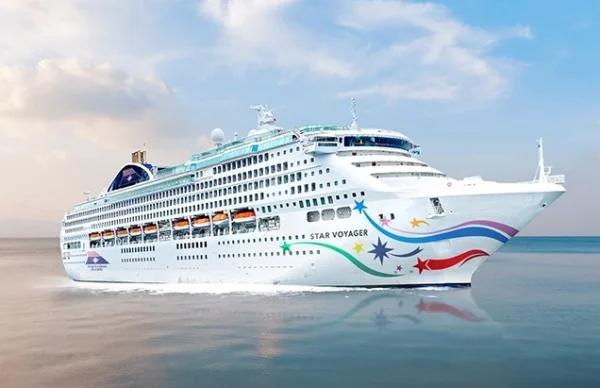
For StarDream Cruises, the integration may improve pricing accuracy while allowing the company to offer more targeted promotions and customized travel packages to passengers sailing aboard the Genting Dream and future itineraries across Asia.
Asia Cruise Tourism Expands Rapidly
The digital investment comes as Asia’s cruise sector enters a new growth cycle following the return of international travel. Cruise tourism demand is rising across key regional markets including Singapore, Japan, South Korea, Thailand, and Malaysia, where governments and tourism authorities have intensified efforts to develop cruise infrastructure and visitor services.
Several Asian tourism agencies have identified digital transformation and smart tourism technologies as central pillars of long-term tourism recovery and economic growth strategies. Enhanced cruise terminals, streamlined travel services, and integrated tourism partnerships are helping position Asia as one of the fastest-growing cruise regions globally.
As cruise passenger numbers increase, operators are under growing pressure to deliver greater operational flexibility while maintaining competitive pricing and premium guest experiences. Technology investments are now becoming a major differentiator within the cruise industry, particularly as travelers seek convenience, personalization, and seamless digital interactions throughout their journeys.
The Seaware platform provides real-time booking analytics and inventory management tools that allow cruise lines to react quickly to market shifts and travel demand fluctuations. Industry experts believe operators with stronger digital infrastructure will be better positioned to compete for both regional and international cruise travelers over the coming years.
Personalized Travel Becomes a Key Industry Focus
The rise of AI-powered cruise technology also reflects changing traveler expectations across the tourism sector. Modern cruise passengers increasingly favor individualized experiences over standardized vacation packages.
Advanced personalization systems can recommend dining options, shore excursions, entertainment activities, cabin upgrades, and onboard services based on traveler preferences and booking behavior. Automated communication systems also allow cruise operators to maintain more direct and responsive engagement with passengers before, during, and after voyages.
StarDream Cruises stated that its technology investments are intended to support more seamless and personalized luxury travel experiences, particularly for premium cruise passengers in Asia’s growing tourism market.
Industry observers note that digital customization has become especially valuable within Asian travel markets, where consumer demand for convenience, speed, and mobile-driven experiences continues to rise rapidly.
Cruise Industry Accelerates Digital Transformation
Versonix said the Seaware platform will provide StarDream Cruises with greater operational flexibility and deeper insights into customer behavior, pricing trends, and revenue opportunities. The company added that advanced reservation and personalization modules will help support future growth and evolving market demands.
The cruise sector’s broader digital transition accelerated significantly following the COVID-19 pandemic, which forced many travel companies to modernize outdated systems and improve automation capabilities. Cruise operators worldwide are now investing heavily in cloud-based platforms, predictive analytics, passenger communication systems, and operational planning technologies.
Many of these innovations remain largely invisible to passengers but directly affect booking speed, pricing accuracy, customer satisfaction, and overall travel efficiency.
Governments across Asia and beyond are also encouraging tourism businesses to adopt smarter technologies to support sustainable growth, improved traveler services, and stronger operational transparency.
Technology Becomes the Future of Cruise Tourism
The evolution of Asia’s cruise industry increasingly depends not only on destinations and onboard entertainment but also on the sophistication of the technology supporting modern voyages. Predictive algorithms, AI-driven pricing systems, and automated customer engagement tools are rapidly becoming central components of cruise operations.
StarDream Cruises’ adoption of the Seaware platform highlights how digital infrastructure is now shaping the future of maritime tourism. As competition intensifies across Asia’s cruise market, operators are expected to continue investing in advanced technologies that improve operational efficiency while delivering more personalized and seamless travel experiences.
The transformation signals a new chapter for cruise tourism in Asia, where technology is becoming just as important as luxury amenities and scenic destinations in attracting the next generation of travelers.