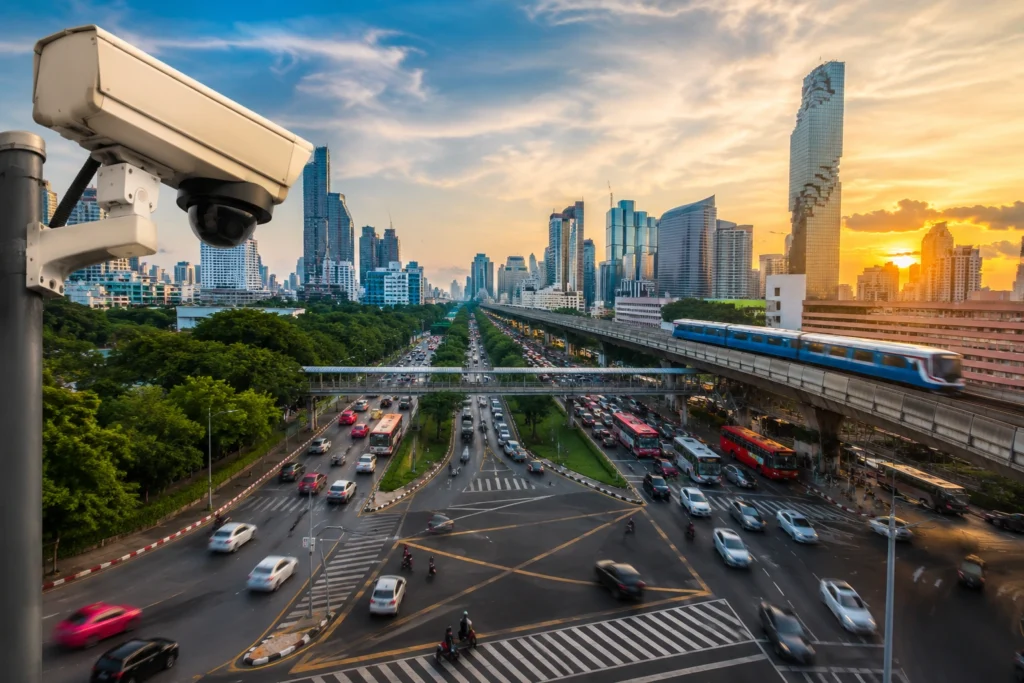
Bangladesh has begun deploying artificial intelligence-powered traffic management systems across its major urban centers in a significant move aimed at reducing congestion, improving road safety, and transforming the commuter experience for millions of daily travelers.
The initiative marks a major shift in how one of South Asia’s most densely populated countries approaches urban mobility challenges. Authorities are introducing AI-driven traffic systems capable of monitoring roads in real time, dynamically adjusting signal operations, and using predictive analytics to improve vehicle flow throughout heavily congested cities including Dhaka and Chittagong.
The modernization comes as Bangladesh continues facing mounting transportation pressures linked to rapid urbanization, rising vehicle ownership, and expanding commercial activity. Traffic congestion has long been one of the country’s most significant infrastructure and economic challenges, affecting commuters, tourists, logistics providers, and businesses on a daily basis.
AI Technology Powers Real-Time Traffic Control
The new traffic management system integrates cameras, roadside sensors, cloud-based analytics, and machine learning technologies to monitor traffic movement across key roads and intersections. AI algorithms analyze traffic volume, vehicle speeds, congestion trends, and unusual incidents to optimize signal timing and redirect traffic when necessary.
Officials stated that the system can automatically respond to disruptions such as accidents, road closures, or sudden traffic surges by recalibrating traffic flow patterns in real time.
Adaptive traffic lights are among the system’s most important features. Instead of relying on fixed signal schedules, AI-driven controls adjust traffic light timing dynamically based on live conditions, helping minimize waiting periods and reduce bottlenecks during peak commuting hours.
The system also includes predictive congestion modeling, allowing traffic managers to anticipate high-pressure traffic zones before severe gridlock develops. Authorities believe the technology will significantly improve traffic movement in Dhaka, where commuters often spend hours navigating heavily congested roads.
Commuters and Businesses Expected to Benefit
Bangladesh’s chronic traffic congestion has historically created major economic losses through wasted fuel, delayed deliveries, reduced productivity, and increased transportation costs. Daily travel delays have also affected quality of life for millions of urban residents.
With the introduction of AI-enabled traffic systems, authorities expect several immediate benefits for commuters and businesses, including shorter travel times, smoother traffic flow, lower fuel consumption, and improved emergency response coordination.
Logistics companies, delivery operators, and transportation businesses are also likely to benefit from more predictable travel times and reduced operational delays, helping strengthen supply chain efficiency and urban commerce.
Improved traffic management may also support Bangladesh’s growing tourism sector by making city travel easier and more reliable for international visitors navigating major urban destinations and transport hubs.
Smart Monitoring Enhances Road Safety
Road safety remains another major focus of the AI traffic modernization project. The system uses automated monitoring tools capable of identifying accidents, stalled vehicles, illegal parking, and unusual traffic disruptions in real time.
Traffic control centers receive immediate alerts when incidents occur, allowing faster intervention and quicker coordination with emergency services including ambulances and fire response teams.
Authorities believe the technology can help reduce accident risks while improving emergency response times in crowded urban areas where traffic congestion often delays critical services.
The AI system is designed to complement human traffic controllers rather than replace them. Officials said the technology will support better decision-making and operational coordination while maintaining human oversight of complex traffic conditions.
Bangladesh Expands Smart City Strategy
The traffic modernization initiative forms part of Bangladesh’s broader smart city development strategy focused on digital infrastructure, intelligent transportation systems, and sustainable urban planning.
Future phases are expected to expand AI coverage into suburban regions while integrating traffic systems with public transportation networks, emergency services, ride-hailing platforms, and GPS navigation applications.
Authorities also plan to use traffic data collected through AI systems to support long-term infrastructure planning, including road expansions, public transport improvements, and urban mobility policies designed to create more efficient and livable cities.
International development organizations have reportedly shown interest in supporting Bangladesh’s AI traffic initiatives due to their potential economic, environmental, and social benefits.
Challenges Remain for AI Traffic Integration
Despite strong optimism surrounding the project, implementing AI traffic systems in Bangladesh presents several challenges. Urban traffic conditions in cities such as Dhaka are highly complex due to mixed transportation modes including buses, motorcycles, bicycles, rickshaws, and pedestrians sharing limited road space.
Officials acknowledged that AI systems must continuously adapt to local traffic patterns and driver behavior to operate effectively. Public awareness campaigns are also being introduced to educate drivers and commuters about AI-enabled traffic management and encourage compliance with road safety regulations.
Cybersecurity and data privacy have also become important considerations as cities rely increasingly on connected digital infrastructure. Authorities said secure networks and encryption systems have been implemented to protect traffic data and system integrity.
Bangladesh Positions Itself as Regional Smart Mobility Leader
Bangladesh’s adoption of AI traffic management technology positions the country among emerging leaders in urban mobility innovation across South Asia.
Many cities throughout the region face similar congestion challenges driven by population growth and rapid urban expansion. Industry experts believe Bangladesh’s experience could become an important model for other densely populated cities exploring AI-powered transportation solutions.
As urban mobility increasingly depends on real-time analytics, automation, and smart infrastructure, Bangladesh’s traffic modernization strategy reflects a broader global shift toward technology-driven transportation systems designed to improve safety, efficiency, and sustainability for future travelers.
For more travel news like this, keep reading Global Travel Wire