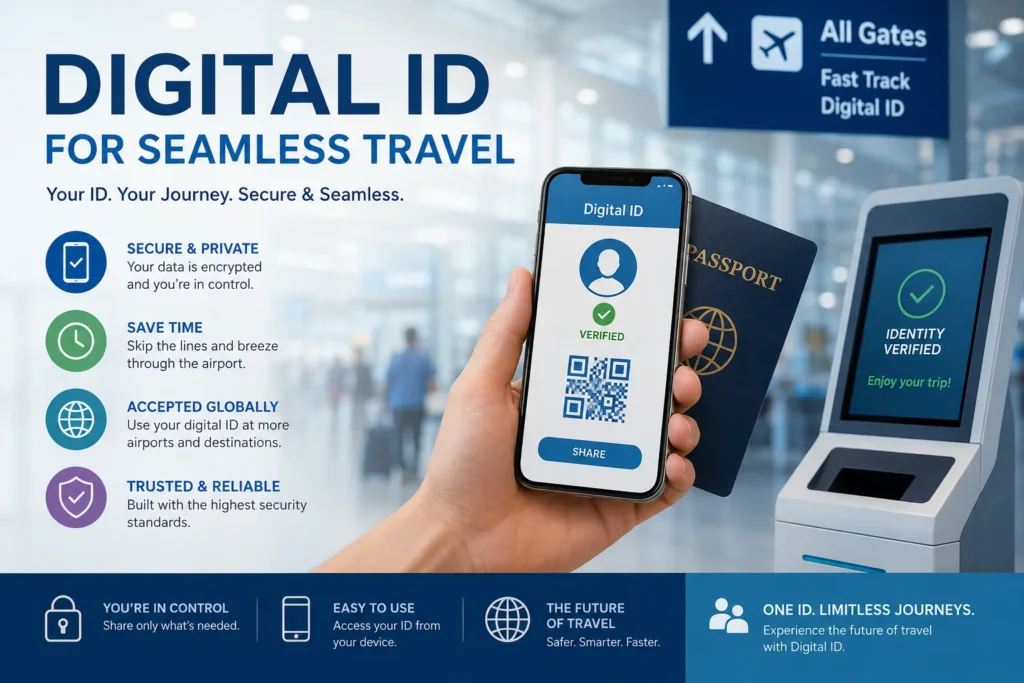
The push for frictionless transit within the commercial aviation sector has achieved a significant milestone through a new cross-industry technology integration. Samsung Electronics America and secure identity platform CLEAR have finalized a strategic partnership to embed passport-backed credentials directly into mobile devices. The collaborative initiative introduces a dedicated mobile feature that allows eligible passengers to store a secure, verified representation of their United States passport inside their smartphone application.
This development reshapes the landscape of digital ID travel, presenting a highly sophisticated alternative to traditional document presentation. By obtaining official clearance from the Transportation Security Administration (TSA), the mobile credential program is now live and recognized across more than 250 domestic airport checkpoints, altering how modern leisure and corporate passengers navigate airport terminal security lines.
The Architecture of Mobile Passport Verification
The introduction of this digital option brings mobile device functionality up to speed with changing international biosecurity trends. The backend framework utilizes the encrypted core of the smartphone wallet app alongside verified biographical data points extracted directly from an active, official United States passport booklet.
Unlike previous configurations that relied solely on local state department driver’s licenses, utilizing a federal passport expands the eligibility pool to a national audience:
Federal Data Validation: The enrollment protocol requires users to scan their physical U.S. passport chip and data page. The information is then cross-referenced through secure cryptographic validation paths managed by the verification operator.
Hardware-Level Encryption: To prevent digital theft or unauthorized data interception, credential profiles are isolated within the device’s secure processor and encrypted directly on-device using specialized mobile defense architectures.
Authentication Mandates: Accessing the credential at an airfield security checkpoint requires active user authentication via registered biometric credentials, such as a secure fingerprint scan or a personal identification pin, ensuring the device owner remains the sole authorized user.
Once the verification sequence is complete, travelers can verify their identity at participating airport lanes by using a contactless terminal tap or a secure quick-response (QR) code scan, allowing physical booklets to remain securely packed inside their carry-on bags.
TSA Checkpoint Modernization and Airport Infrastructure Scalability
The deployment of this mobile verification option matches ongoing infrastructure upgrades managed by federal transportation authorities. The TSA has been systematically installing advanced Credential Authentication Technology (CAT-2) readers at security checkpoints nationwide. These updated processing units are equipped with secure digital interfaces designed to read encrypted smartphone credentials over short-range radio frequencies or standardized optical scanners.
Official directives from the Department of Homeland Security emphasize that while digital options provide a fast, efficient screening alternative, the integration does not fully eliminate the legal necessity of physical travel documentation. Because individual terminal lanes can experience unexpected technical updates, and participating airport discretion remains flexible, federal regulations require all international and domestic passengers to carry their physical passport or valid state-issued identification throughout their journey. The electronic file serves as a secondary, accelerated verification mechanism rather than a total replacement for hard-copy credentials.
Distinguishing Free Digital Amenities from Premium Airport Lanes
For everyday travelers review their transit choices, understanding the operational boundaries between different mobile security options is essential for managing expectations at the terminal. The newly introduced mobile credential functions as a completely free enhancement available to anyone possessing a compatible smartphone and a valid U.S. passport. It is designed to replace the manual process of pulling out a physical document and handing it to a TSA officer for manual review.
This free service operates independently from premium subscription programs. While the underlying technology platform manages both options, the subscription-based model involves an annual fee of $209. That premium level grants members access to dedicated lanes featuring automated biometric kiosks, where passengers are personally escorted directly to the physical baggage screening area, bypassing the main queue entirely.
Families traveling with minors under the age of 18 can utilize these accelerated processing lanes collectively, providing a valuable scheduling buffer for leisure groups navigating busy holiday travel blocks.
The Future of Biometric Verification in Sports and Commercial Spaces
The administrative roll-out of this digital framework extends beyond the aviation sector, signaling a broader integration of mobile identity tech into standard commercial and entertainment industries. Beyond airport terminals, the passport-verified digital card is already authorized for age verification and entry processing at major commercial venues, including BMO Stadium in Los Angeles, with additional major sports arenas and public venues scheduled for integration.
As international travel nodes prepare for major upcoming global events, the standardized adoption of mobile credentials provides a scalable solution for managing massive crowds safely and efficiently. By replacing slow, manual document checks with secure digital validation, the travel industry is successfully lowering terminal wait times, improving data security, and creating a more predictable, modern travel experience for passengers worldwide.
For more travel news like this, keep reading Global Travel Wire