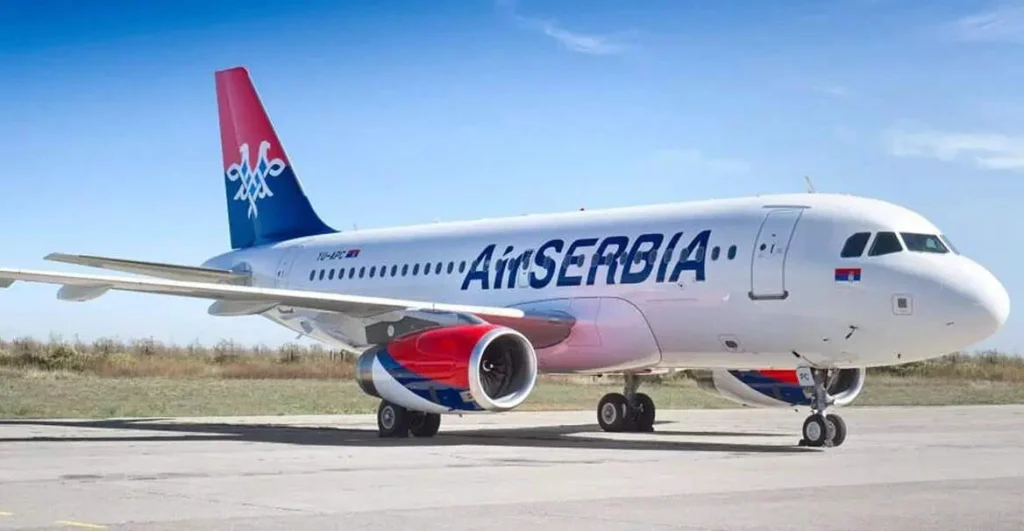
Air Serbia has launched direct Belgrade-Baku flights, opening a new air bridge between Serbia and Azerbaijan and strengthening tourism, business travel and cultural exchange between the Balkans and the Caucasus.
The new route connects Belgrade Nikola Tesla Airport with Baku, the capital of Azerbaijan, twice a week. Flights from Belgrade operate on Wednesdays and Sundays, while return services from Baku operate on Thursdays and Sundays. The schedule gives travelers new flexibility for short city breaks, business trips, extended holidays and regional travel planning.
The launch marks an important expansion for Air Serbia as it grows beyond traditional European markets and adds a direct link to one of the Caucasus region’s most distinctive capitals. For passengers, the service reduces the need for connecting flights and makes travel between the two countries faster and more convenient.
Air Serbia Expands Toward the Caucasus
The Belgrade-Baku route is a strategic step in Air Serbia’s wider network development. By adding Azerbaijan to its route map, the Serbian national airline strengthens its role in connecting Southeast Europe with emerging tourism and business markets.
Direct flights are especially important for destinations that want to attract new visitor segments. Travelers are more likely to consider a city break or regional holiday when access is simple, schedules are reliable and journey times are shorter.
For Air Serbia, Baku adds a fresh eastward connection that can serve leisure passengers, business travelers, cultural visitors and passengers traveling for diplomatic or economic purposes. The route also supports broader cooperation between Serbia and Azerbaijan by making people-to-people travel easier.
Belgrade Gains Stronger Hub Appeal
The new Baku service reinforces Belgrade’s position as a growing aviation hub in Southeast Europe. Belgrade Nikola Tesla Airport has continued expanding its international reach as Air Serbia adds routes and increases its presence across regional and long-haul markets.
Belgrade’s geographic position gives it strong potential as a connecting point between Western Europe, the Balkans, Eastern Europe and neighboring regions. A direct connection to Baku adds another layer to that hub role by linking Serbia with the Caucasus.
For travelers from Azerbaijan, Belgrade can serve both as a destination and as a gateway to other parts of Serbia and the wider Balkans. Visitors can explore the Serbian capital before continuing to destinations known for nature, culture, wellness, gastronomy, festivals and heritage tourism.
Baku Gains Access to Balkan Travelers
For Azerbaijan, the Air Serbia service creates a valuable new channel into the Balkan travel market. Baku is one of the most recognizable urban destinations in the Caspian region, combining modern architecture, historic quarters, waterfront attractions and a strong cultural identity.
The city’s UNESCO-protected Old City, known as Icherisheher, remains one of its most important tourism assets. Its historic walls, narrow streets, traditional architecture and landmark sites give visitors a powerful introduction to Azerbaijan’s layered past. Baku also offers modern attractions, museums, hospitality, shopping, restaurants and Caspian Sea views.
Direct flights from Belgrade can help raise awareness of Baku among Serbian and Balkan travelers who may be looking for a new city-break destination beyond more familiar European routes. The service also supports travel agencies and tour operators that want to package Azerbaijan with cultural, culinary or regional itineraries.
Serbia Tourism Benefits From Azerbaijan Connectivity
The route also creates new inbound tourism opportunities for Serbia. Belgrade has become an increasingly attractive city-break destination, supported by its riverside setting, historic neighborhoods, nightlife, festivals, restaurants, cultural venues and expanding hotel market.
Visitors from Azerbaijan can use the direct flights to explore Belgrade and continue to other Serbian destinations. Serbia’s tourism offer includes monasteries, mountain resorts, spa towns, wine regions, national parks and heritage sites, giving travelers multiple reasons to extend their stay beyond the capital.
Improved air access can benefit hotels, restaurants, guides, transport companies, airports and attractions. It can also help Serbia attract more visitors from markets where awareness is growing but direct connectivity has been limited.
Cultural and Business Links Gain Momentum
The Belgrade-Baku service is not only a tourism route. It also supports business mobility, diplomatic engagement and cultural cooperation between Serbia and Azerbaijan.
Air routes between capitals often help deepen economic relationships by making meetings, trade missions, conferences and investment visits easier to organize. For companies and public institutions, a direct flight can reduce travel time and make regular engagement more practical.
The route may also encourage cultural exchange, including events, education, creative industries and heritage tourism promotion. As regional travel demand evolves, direct links between emerging markets can become important tools for long-term cooperation.
Twice-Weekly Schedule Supports Flexible Travel
The twice-weekly schedule is well suited to both leisure and business passengers. Wednesday and Sunday departures from Belgrade allow travelers to plan midweek trips, weekend breaks or longer stays. Thursday and Sunday flights from Baku also create practical return options for visitors.
This type of schedule can help build early market demand while giving both destinations a regular air link. If travel demand grows over time, direct routes can support further tourism promotion and wider commercial activity.
For passengers, the biggest benefit is convenience. Instead of connecting through another airport, travelers can move directly between the Balkans and the Caucasus in a more efficient way.
New Route Builds a Regional Travel Bridge
Air Serbia’s launch of Belgrade-Baku flights marks a meaningful step for regional aviation connectivity. The route strengthens Serbia-Azerbaijan travel, expands access between the Balkans and the Caucasus, and creates fresh opportunities for tourism, business and cultural exchange.
For Belgrade, the service supports its growing role as a Southeast European hub. For Baku, it opens a more direct path to Balkan travelers. For passengers, it delivers a simpler journey between two capitals with rich history, strong cultural identity and rising tourism appeal.
As demand for new regional travel experiences continues to grow, the Belgrade-Baku route gives both Serbia and Azerbaijan a stronger platform to attract visitors and deepen international connections.
For more travel news like this, keep reading Global Travel Wire