Germany has joined other major travel markets, including Japan, Italy, France, Canada, South Korea and Sweden, in facing mounting pressure from a global jet fuel price shock that is raising concerns for airlines, airports, travelers and tourism businesses ahead of the peak travel season.
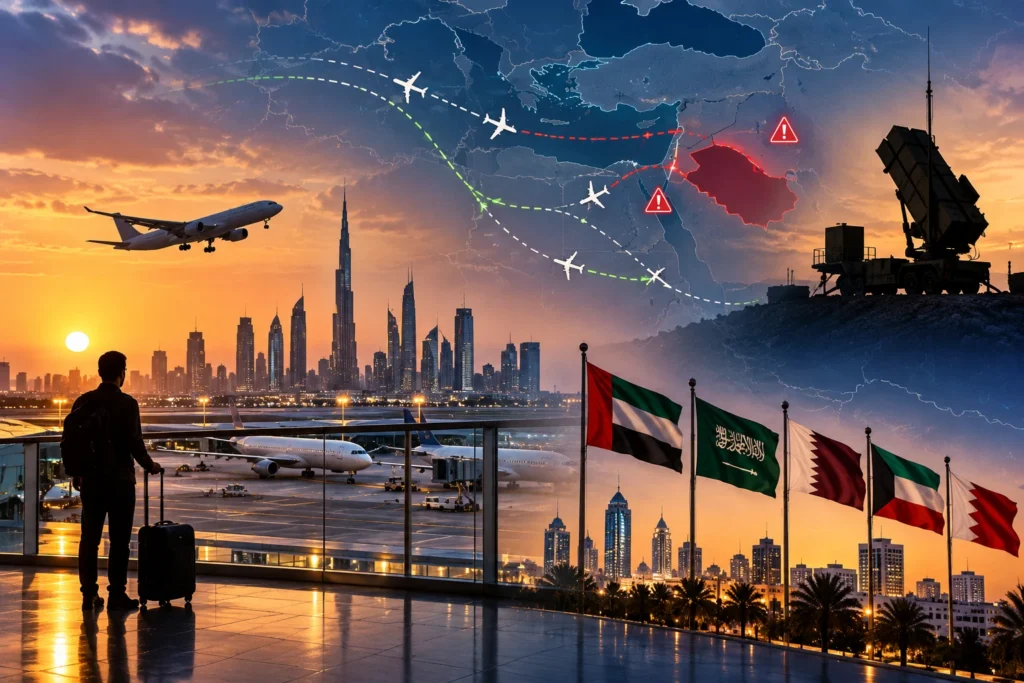
The disruption has been driven by sharp energy market volatility linked to conflict in the Middle East and reduced oil flows through the Strait of Hormuz, one of the world’s most important shipping chokepoints. Official energy data shows crude oil and petroleum product prices rose sharply in the first quarter of 2026, with jet fuel and distillate markets particularly affected by tighter supply conditions.
The immediate impact is being felt most clearly through higher operating costs for airlines, pressure on ticket prices, more cautious scheduling and growing uncertainty for destinations that rely heavily on air arrivals. While European authorities have said there is no concrete evidence of EU jet fuel shortages at present, they have also warned that supply disruptions could occur if the crisis continues.
Germany Faces Rising Aviation Cost Pressure
Germany is one of Europe’s most exposed aviation markets because of its major international hubs, high business travel demand and strong outbound tourism flows. Frankfurt, Munich and Berlin depend on stable airline schedules to support long-haul travel, corporate mobility, conventions, hotels and inbound tourism.
As fuel prices rise, airlines serving Germany face tougher decisions on capacity, route profitability and fare levels. Long-haul flights are especially sensitive because fuel is one of the largest operating costs in aviation. Even when physical fuel supplies remain available, higher prices can affect ticket affordability and airline scheduling.
For travelers, the risk is not only higher fares. If the fuel situation worsens, passengers could face schedule changes, longer routings, delays or cancellations in affected markets. This uncertainty can influence booking behavior, especially for families, conference travelers and tourists planning multi-country trips.
Europe Monitors Jet Fuel Supply Risks
Across Europe, Italy, France and Sweden are also watching the situation closely. The European Commission has said fuel prices across transport modes have increased sharply and that travel options within and to the European Union remain broadly unaffected for now.
However, the Commission has warned that continued disruption could lead to jet fuel scarcity and may affect air transport. This includes possible delays, cancellations, longer travel times and higher prices. The warning is significant because Europe is entering a critical travel period when airlines, airports and tourism destinations depend on stable capacity.
Italy’s tourism economy relies heavily on summer air access to Rome, Milan, Venice, Sicily, Sardinia and coastal destinations. France depends on strong connectivity through Paris, Nice, Lyon and regional airports. Sweden faces a different challenge, with long distances and reliance on aviation for international access making fuel costs especially important.
Asia and North America Feel Wider Market Pressure
The fuel shock is not limited to Europe. Japan and South Korea are highly exposed to imported energy and long-haul aviation markets. Their major airports support inbound tourism, business travel and international connections across Asia, North America and Europe.
Higher fuel costs can affect airline pricing and route planning, especially on longer international sectors. For Japan, where inbound tourism has become a major economic priority, stable air access is essential for hotels, rail connections, restaurants, attractions and regional destinations. South Korea faces similar exposure through Seoul’s global hub role and its reliance on international air travel for tourism and trade.
Canada is also affected by global price volatility despite being a major energy producer. Airlines operating from Toronto, Vancouver, Montreal and Calgary still face international fuel price benchmarks, long flight distances and cost pressure on transborder and transatlantic services.
Tourism Economies Brace for Softer Demand
The tourism industry is especially sensitive to aviation disruption. When airfares rise or schedules become uncertain, travelers often delay bookings, shorten trips or choose closer destinations. That can affect hotel occupancy, airport retail, tour operators, restaurants, attractions, cruise connections and local transport.
Major cities such as Berlin, Paris, Rome, Tokyo, Seoul, London, Toronto and Vancouver depend on predictable air service for both leisure and business visitors. Island and resort destinations are even more vulnerable because reduced flight capacity can quickly limit arrivals.
For destinations, the biggest concern is confidence. Travelers need to know that flights will operate, costs will remain manageable and connections will be reliable. Even the possibility of disruption can influence booking decisions during the peak season.
Airlines Balance Costs, Capacity and Reliability
Airlines are now balancing three priorities: protecting schedules, managing higher fuel costs and maintaining passenger confidence. Fuel price volatility can push carriers to adjust fares, review route economics, increase fuel surcharges or reduce lower-margin capacity.
However, aviation authorities are also emphasizing coordination. In Europe, regulators have issued guidance on how existing rules may apply if fuel supply problems affect airline operations. This includes guidance related to airport slots, fuel uplift requirements and passenger protections.
The aim is to avoid unnecessary disruption while preparing for a scenario in which fuel constraints become more severe.
Sustainable Aviation Fuel Adds Another Challenge
The crisis also highlights the limited availability of sustainable aviation fuel. Many governments and airlines are pursuing SAF as part of aviation’s decarbonization strategy, but production capacity remains below the level needed for large-scale replacement of conventional jet fuel.
This means airlines remain heavily dependent on traditional kerosene at the same time that global petroleum markets are under pressure. The result is a difficult operating environment for carriers trying to meet sustainability goals while also controlling costs.
Peak Travel Season Enters a Fragile Phase
The 2026 fuel situation has become a stress test for global aviation and tourism. Germany, Japan, Italy, France, Canada, South Korea, Sweden and other major travel markets are not all facing the same level of disruption, but they are all exposed to a common risk: higher fuel costs and reduced certainty in air travel.
For travelers, the months ahead may bring higher fares, tighter availability and more need for flexible planning. For tourism businesses, the challenge will be maintaining confidence while monitoring airline capacity and visitor demand.
If fuel flows stabilize, the peak season may remain largely intact. If disruption deepens, the global travel economy could face a more difficult summer shaped by cost pressure, fragile connectivity and cautious consumer behavior.
For more travel news like this, keep reading Global Travel Wire