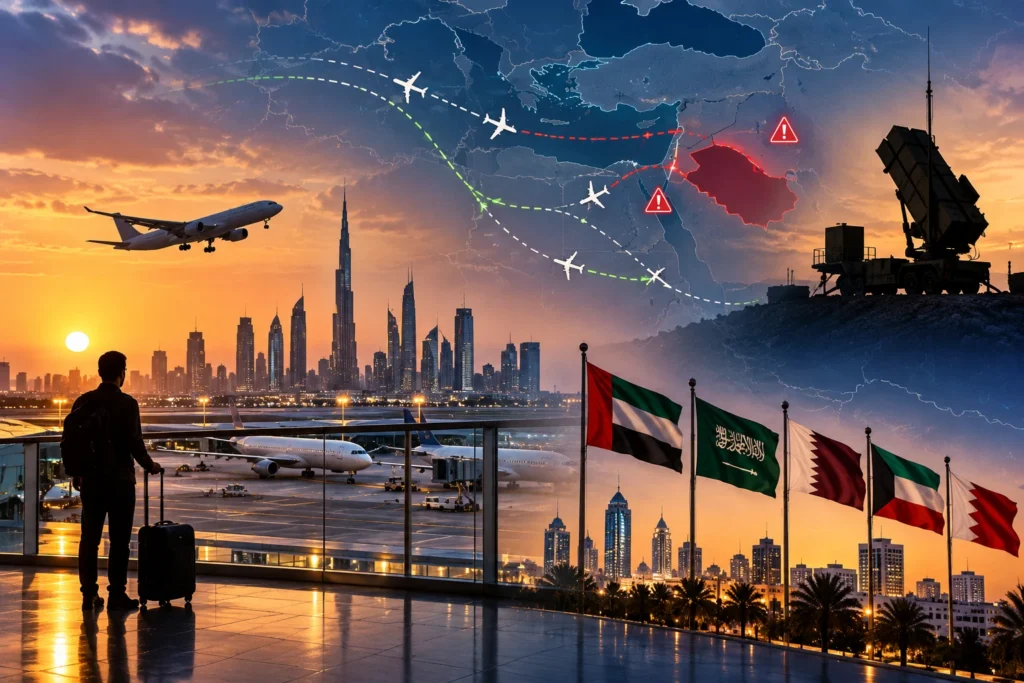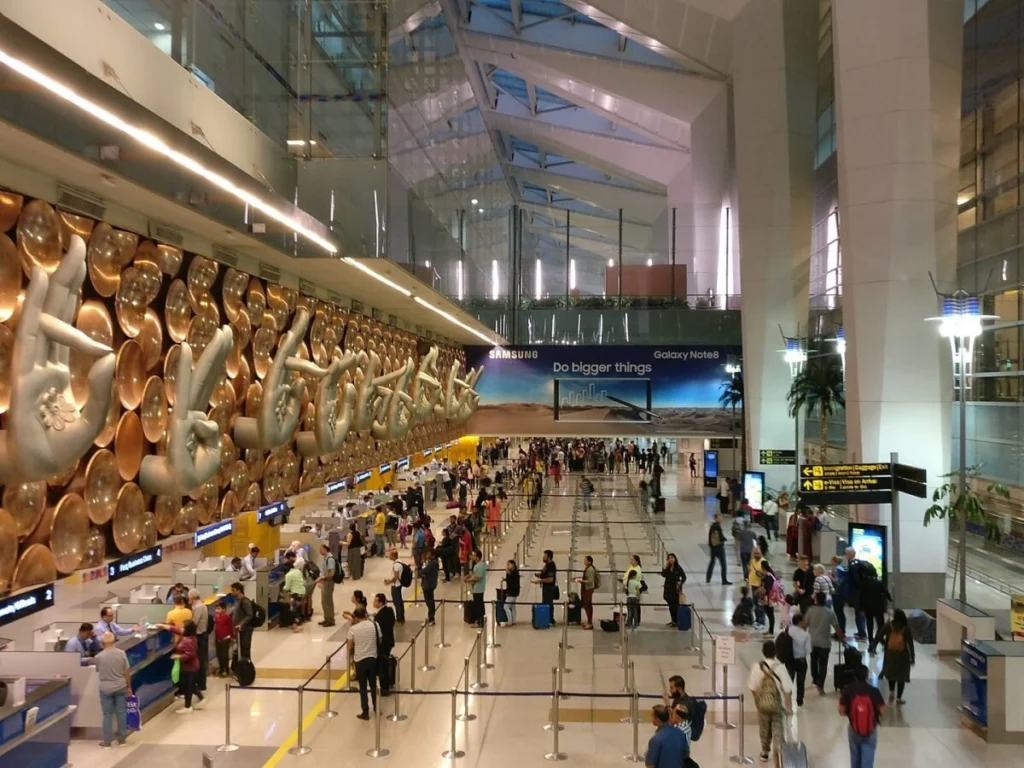
India flight cancellations have disrupted passenger movement across major domestic and international routes, with 25 services listed as cancelled across Delhi, Mumbai, Bengaluru, Hyderabad and Ahmedabad, affecting travelers bound for destinations including Dubai, Hong Kong, Leh, Srinagar, Kolkata, Hyderabad, Coimbatore and Mumbai.
The cancellations, listed across Thursday, Friday and Saturday schedules, involved multiple airlines and aircraft types, creating fresh pressure on India’s already busy aviation network. The affected services included flights operated by SpiceJet, IndiGo, Akasa Air and other carriers, with disruptions spread across both metro corridors and regional routes.
For passengers, the sudden operational changes created uncertainty around onward travel, family visits, business trips, holiday plans and international connections. The disruption also placed added pressure on airports, airline help desks, hotel bookings, ground transport providers and travel agents managing last-minute changes.
Delhi Records the Largest Cancellation Cluster
New Delhi’s Indira Gandhi International Airport recorded the highest concentration of listed cancellations, with affected services to Gorakhpur, Srinagar, Darbhanga, Gaggal, Leh, Lucknow, Jammu, Pune and Mumbai.
The Delhi cancellations were especially significant because the airport is India’s busiest aviation gateway and a major hub for domestic, regional and international connections. When multiple services are cancelled from Delhi, the effects can spread quickly across the wider network.
Several northern routes were affected, including repeated cancellations to Leh and services to Srinagar and Jammu. These destinations are important for tourism, defence-linked mobility, family travel and regional access. Leh and Srinagar are also major travel gateways for mountain tourism, adventure holidays and seasonal leisure demand.
The cancellations also affected metro and business routes, including flights to Mumbai and Pune. These city pairs are central to India’s corporate travel market and support frequent movement between government, financial, technology and commercial centers.
Mumbai Faces Domestic and International Disruption
Mumbai’s Chhatrapati Shivaji Maharaj International Airport also saw cancellations across domestic and international services. Listed affected routes included Jaipur, Gorakhpur, Darbhanga, Hong Kong and Dubai.
The Mumbai-Dubai and Mumbai-Hong Kong cancellations carried wider significance because international services are closely tied to onward connections, business travel, tourism, visiting friends and relatives traffic and cargo-linked mobility. Dubai remains one of the most important overseas travel markets for Indian passengers, while Hong Kong continues to serve as a major East Asian business and transit hub.
Domestic cancellations from Mumbai also affected regional connectivity. Services to cities such as Jaipur, Gorakhpur and Darbhanga support both leisure travel and family movement, especially during high-demand periods.
For Mumbai’s tourism and hospitality economy, flight disruption can have immediate effects. Hotels, airport transfers, business meetings, events and onward travel plans often depend on reliable air arrivals and departures.
Bengaluru and Hyderabad Corridor Hit
Southern India also experienced operational disruption, with Bengaluru recording listed cancellations to Hyderabad and Coimbatore. Hyderabad also reported a cancelled service to Bengaluru.
The Bengaluru-Hyderabad corridor is one of India’s important business travel links, connecting two major technology, startup, pharmaceutical and corporate centers. Even a small number of cancellations on this route can affect meetings, same-day travel plans and onward connections.
The Bengaluru-Coimbatore cancellation also disrupted regional movement in southern India. Coimbatore is an important industrial and commercial city, and air connectivity supports business travel, education, healthcare and family visits.
For passengers, these cancellations may have required rebooking through alternative hubs or shifting to later flights, increasing journey time and uncertainty.
Ahmedabad Sees Western and Eastern Route Impact
Ahmedabad also appeared in the cancellation list, with services affected to Mumbai and Kolkata. The listed disruptions included two Ahmedabad-Mumbai flights and one Ahmedabad-Kolkata service.
The Ahmedabad-Mumbai route is a key western India corridor, serving business, tourism, finance, trade and onward international connections. Kolkata, meanwhile, connects western India with one of eastern India’s largest cultural, commercial and aviation markets.
The affected services show that the disruption was not limited to one region. Instead, it touched northern, western, southern and eastern travel flows, underlining the complexity of India’s domestic aviation network.
Passenger Experience Comes Under Pressure
The cancellation list points to a difficult travel period for passengers across India. Sudden changes can lead to missed connections, additional hotel costs, longer airport waits, rebooking challenges and uncertainty around refunds or alternate flights.
Travelers on tourism-heavy routes such as Leh, Srinagar, Dubai and Jaipur may face especially difficult planning issues, as these trips often involve hotels, tour operators, local transfers and fixed itineraries. Business passengers on routes such as Delhi-Mumbai, Hyderabad-Bengaluru and Ahmedabad-Mumbai may also face schedule disruption.
India’s passenger-rights framework places obligations on airlines in cases of cancellations and delays, including assistance depending on the circumstances and timing of disruption. Travelers are generally advised to check directly with airlines and airport authorities before leaving for the airport.
Tourism and Aviation Impact Widens
Flight cancellations can affect more than passengers. Airports lose traffic flow, airlines must rebalance aircraft and crew, hotels face uncertain arrivals, and tourism businesses must adjust bookings.
For destinations such as Leh, Srinagar, Jaipur and Dubai, cancelled flights can disrupt short-stay tourism and reduce visitor spending. For business hubs such as Mumbai, Delhi, Bengaluru, Hyderabad and Ahmedabad, the impact can spread into meetings, trade visits and corporate travel schedules.
The cancellations also show how operational pressure at major hubs can affect smaller regional destinations. When feeder routes are disrupted, passengers may lose access to wider domestic and international networks.
India Aviation Network Faces Recovery Challenge
The listed 25 India flight cancellations highlight how quickly disruption can spread across a large aviation system. With affected routes spanning Delhi, Mumbai, Bengaluru, Hyderabad and Ahmedabad, the impact reached major airports, regional destinations and international gateways.
For travelers, the immediate priority is schedule verification, flexible planning and direct communication with airlines. For airports and carriers, the challenge is restoring reliability while managing passenger demand across busy domestic and international corridors.
As India’s aviation market continues to grow, operational resilience will remain essential for tourism, business mobility and traveler confidence.
For more travel news like this, keep reading Global Travel Wire