The United States Department of State has officially updated its travel advisory for Mexico, introducing event-specific guidance for thousands of international soccer fans preparing to attend the 2026 FIFA World Cup. The updated advisory maintains Mexico’s overall assessment at Level 2, instructing citizens to exercise increased caution. However, due to regional variations in security conditions across the country, federal authorities emphasize the importance of thorough itinerary planning, strict adherence to transport protocols, and a comprehensive understanding of regional security levels.
Understanding the Regional Security Framework
The state-by-state breakdown provided by the Bureau of Consular Affairs clarifies that while certain territories carry heightened warnings, the localized threat environment directly dictates travel recommendations. Out of Mexico’s 32 states, six remain designated under the strict Level 4 “Do Not Travel” category due to high rates of violent crime. These restricted states are Colima, Guerrero, Michoacán, Sinaloa, Tamaulipas, and Zacatecas.
Crucially for tournament attendees, none of the designated World Cup matches or official FIFA fan zones are located within these Level 4 territories. The majority of popular coastal tourist regions—such as Quintana Roo and Baja California Sur—likewise remain classified under Level 2, indicating that standard tourist zones continue to operate with a baseline of standard security precautions.
Specific Directives for the Three Tournament Host Cities
The 13 World Cup matches allocated to Mexico are distributed across three primary metropolitan areas: Mexico City, Monterrey, and Guadalajara. Because these urban centers are subject to differing advisory levels, transport logistics must be adjusted accordingly.
Mexico City
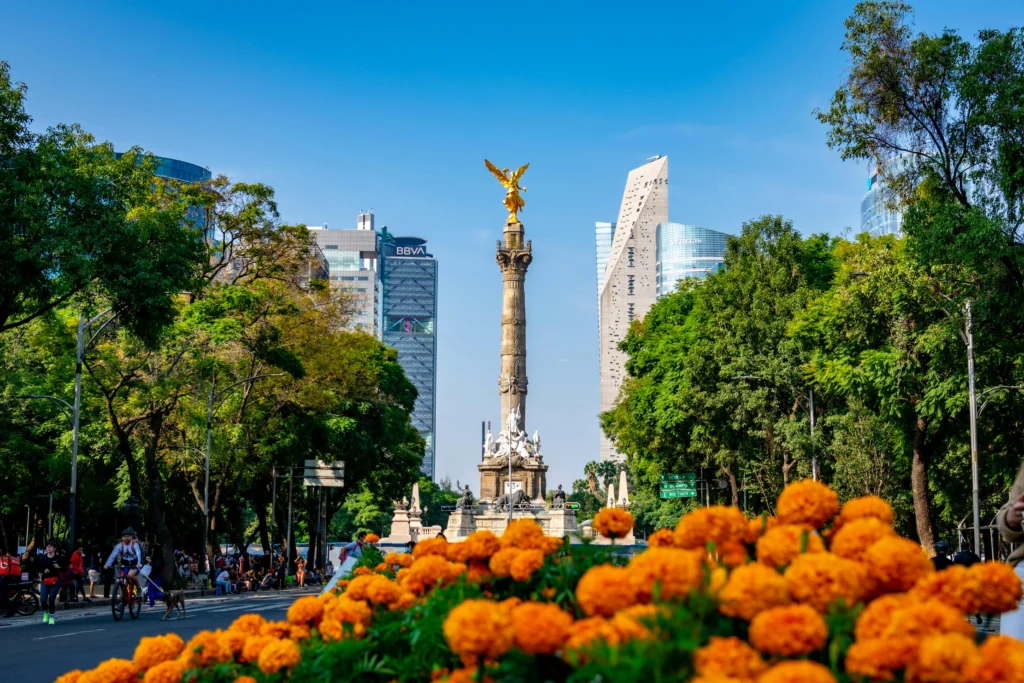
The nation’s capital, which is set to host five matches including the highly anticipated opening fixture, resides within a Level 2 advisory zone. Federal guidelines note that while large global metropolises naturally present urban risks like pickpocketing and opportunistic theft, visitors who remain within established hospitality corridors, monitored stadium transport routes, and official entertainment zones will encounter a standardized big-city security environment.
Monterrey
Located in the northern state of Nuevo León, Monterrey is also positioned within a Level 2 advisory area. While the city itself features robust infrastructure, federal authorities have issued specific warnings regarding overland transit. Travelers are explicitly instructed to avoid driving from the U.S. southern border to Monterrey. Highways 85, 85D, 54, and 40D have a history of criminal intercept operations, making commercial air travel the heavily preferred method of arrival.
Guadalajara
Situated within the state of Jalisco, Guadalajara is currently under a Level 3 “Reconsider Travel” advisory. Federal safety analysts clarify that this designation does not mean the metropolitan area is closed to visitors, but it demands an elevated level of situational awareness. Fans commuting to matches at the Guadalajara Stadium in Zapopan are urged to stick strictly to pre-arranged shuttle networks, formal lodging districts, and well-lit commercial thoroughfares, completely avoiding spontaneous or late-night regional exploration.
Plan Kukulkán: The Federal Security Response
To safeguard the influx of global sports tourists, the Mexican Secretariat of Security and Civilian Protection has finalized a massive logistical mobilization known as Plan Kukulkán. This multi-agency operation deploys nearly 100,000 security personnel across the three host cities.
The security apparatus incorporates members of the National Guard, federal police forces, military personnel, and accredited private security detachments. This unified force is tasked with securing stadiums, international transit hubs, major hotel districts, and public viewing areas. Attendees should anticipate visible defensive measures, including coordinated checkpoints, drone detection systems, security canine units, and mandatory baggage screening at all venue entry points.
Strict Operational Protocols for International Visitors
The State Department advises private citizens to mirror the strict safety protocols imposed on U.S. government personnel operating within the country. These operational parameters are highly practical for tournament attendees:
No Nighttime Intercity Transit: Overland travel between different municipalities or states after dark is strongly discouraged due to reduced visibility and limited emergency response availability.
Vetted Transportation Only: Hailing independent street taxis is advised against. Visitors should rely exclusively on app-based ridesharing platforms or pre-arranged transport dispatched directly from regulated airport and hotel stands.
Absolute Weapons Ban: Entering Mexico with any firearm, ammunition, or tactical knife is an exceptionally severe criminal offense resulting in immediate detention and long-term imprisonment under federal law.
Vaping Prohibitions: The importation and possession of e-cigarettes and vaping devices remain illegal under Mexican health regulations, and these items are subject to confiscation at customs checkpoints.
Medical and Administrative Preparedness
Public health agencies remind international travelers that standard domestic insurance programs, including Medicare and Medicaid, do not provide coverage outside of domestic borders. Because private medical facilities in Mexico frequently require upfront cash or credit verification before initiating comprehensive treatment, the acquisition of supplemental international travel medical insurance—including medical evacuation options—is highly recommended.
Administratively, all passengers arriving by air must possess a valid U.S. passport book; a passport card is only sufficient for land-border crossings and maritime ports. Before departure, travelers are strongly encouraged to register their itineraries with the Smart Traveler Enrollment Program (STEP) to receive real-time security updates, and to familiarize themselves with Mexico’s centralized emergency response number, which is 911.
For more travel news like this, keep reading Global Travel Wire