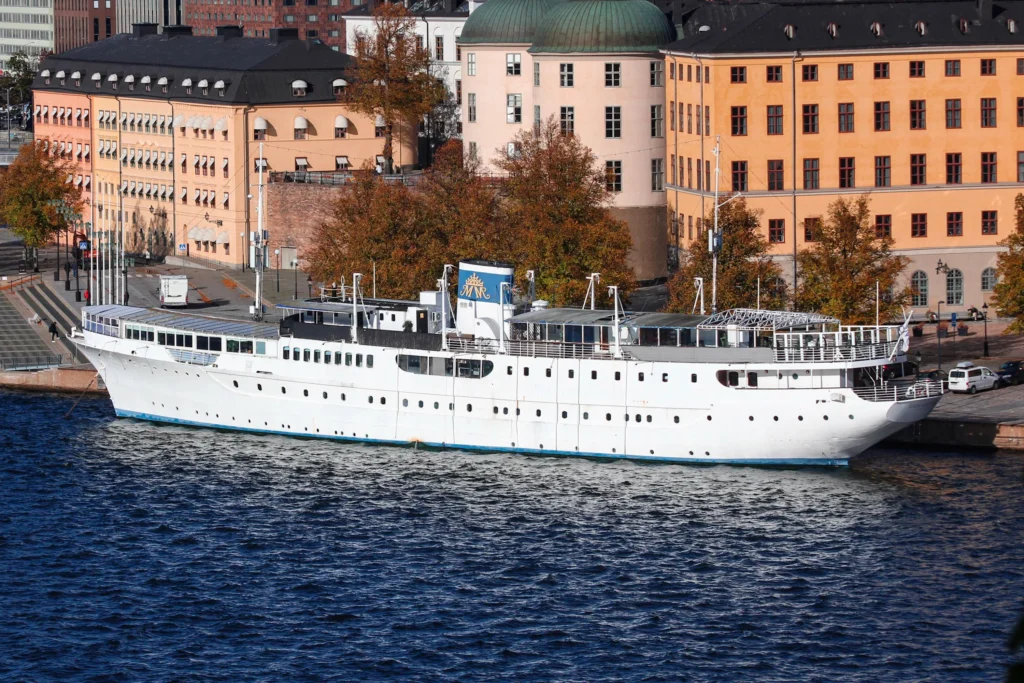
The conceptual boundaries of international maritime engineering and residential tourism have experienced a major expansion as Freedom Cruise Line International released updated architectural frameworks and asset allocation targets for its historic floating community project. Known officially as the Freedom Ship, the proposed structural marvel is engineered to transition from a long-shelved architectural dream into a liveable, permanently mobile destination. Moving far beyond the operational parameters of contemporary commercial cruise liners, the design outlines a self-contained ocean metropolis built to support multi-generational, long-term civic life.
According to technical specifications released from the corporate development office in June 2026, the vessel will function as a highly resilient, independent infrastructure system. By establishing dedicated residential zones alongside active educational networks, industrial spaces, and comprehensive municipal health services, the project targets an evolving niche within the premium tourism sector: consumers seeking global exploration without sacrificing the institutional stabilities of land-based urban settings.
Historical Resurrection and Capital Allocation Frameworks
The core concept of a permanently mobile city at sea was originally introduced in the late 1990s by visionary U.S. engineer Norman Nixon. Although early conceptual stages attracted significant international attention, structural constraints and shifting macroeconomic conditions before the 2008 fiscal crisis caused the massive blueprint to be temporarily archived.
Following a series of corporate realignments, including a strategic integration with international development entities, Freedom Cruise Line International has officially revived the development path. Roger Gooch, Chief Executive Officer of the Florida-incorporated entity, confirmed in an official statement to international media outlets that rising global demand for alternative, mobile real estate portfolios has provided a clear justification for moving the project forward.
Company executives emphasize that while detailed engineering blueprints and modular construction designs are ready for deployment, the realization of the project depends directly on securing final capital investments. Initial construction phases are projected to take place within maritime facilities in Indonesia, with a baseline fabrication timeline stretching between three to four years once start-up financing is established.
Unprecedented Spatial Metrics and Architectural Design
Engineering briefs reveal that the scale of the proposed floating platform dwarfs any existing passenger ship in operation. The planned structure will span approximately 1,800 meters (roughly 1.1 miles) in length, 250 meters in width, and feature a structural height of 25 stories encompassing up to 30 open decks.
To prevent the massive platform from appearing over-dense or institutional, lead architecture firm Schopfer Associates has integrated a softened, modular aesthetic. The layout incorporates open-air pedestrian avenues, expansive public plazas, and dedicated botanical green spaces to promote natural airflow and community engagement.
Due to the unprecedented power demands required for continuous maritime movement and localized utility grids, project planners are designing the vessel around an advanced hybrid propulsion array powered by small modular nuclear reactors. This self-contained energy system will support permanent municipal operations while eliminating reliance on coastal electrical connections.
Comprehensive Infrastructure Supporting Daily Civic Life
The interior distribution plan is structured around walkable neighborhood zones capable of permanently hosting 50,000 residents within a mix of purchased and leased residential units. The master plan balances this resident core with designated spaces for 20,000 crew members and up to 10,000 short-term tourists per day.
| Municipal & Leisure Sector | Planned Structural Entities | Target Community Functionality |
| Civic Infrastructure | Schools, colleges, banks, public libraries. | Fully accredited long-term educational pipelines for resident youth. |
| Healthcare System | Full-scale hospital and diagnostic clinics. | Specialized medical care, emergency response, and wellness monitoring. |
| Sports & Entertainment | 15,000-seat multi-use sports stadium. | Hosting regional athletic events, live concerts, and large conventions. |
| Cultural Spaces | Two distinct museums, a symphony hall. | Preservation of international arts, historical exhibits, and performances. |
| Commercial Core | 3,000 retail spaces, duty-free markets. | Independent business operations and centralized public commerce. |
Endless Circumnavigation and Alternative Transit Logistics
A defining characteristic of the project is its permanent mobility. The vessel will maintain a continuous circumnavigation of the globe, completing a full international loop every two to three years. Because no commercial harbor in the world features the depth or width required to safely dock a mile-long vessel, the floating platform will remain positioned permanently offshore within designated international waters and maritime economic zones.
To facilitate trade and passenger movement, the vessel will rely on a synchronized network of support transit vehicles. The top deck configuration integrates a large, flat runway system alongside eight active helipads, allowing private aircraft and regional transport helicopters to ferry passengers to mainland airports.
For high-volume passenger movement and supply distribution, the hull will feature an internal marina capable of hosting a dedicated fleet of commercial high-speed ferries. This design ensures that residents can effortlessly step off the ship to explore local international tourism corridors before returning to their permanent sea-based community.
For more travel news like this, keep reading Global Travel Wire