Novotel is expanding its ocean conservation programme across more than 620 locations in 70 countries, strengthening sustainable seafood sourcing, hotel operations, staff education and guest experiences as eco-conscious travel becomes increasingly important to the global hospitality sector.
The hotel brand released its second Ocean Impact Report ahead of World Ocean Day on 8 June 2026, outlining progress made during the second year of its international partnership with WWF France.
The initiative forms part of Novotel’s Positive Impact Plan, which is structured around four priorities: reducing operational pressure on oceans, promoting more sustainable food choices, increasing ocean awareness and supporting scientific research and marine conservation.
For travellers, the programme brings sustainability into everyday parts of a hotel stay, from restaurant menus and reduced single-use plastics to family activities and immersive exhibitions.
Hotel Operations Focus on Reducing Environmental Impact
Novotel has reported progress in reducing the environmental footprint of its properties. Across the network, 92% of hotels now comply with Accor’s single-use plastic policy, while 73% have received third-party eco-certification.
The brand is also continuing its focus on waste reduction and more responsible use of resources across hotel operations.
These measures matter for the visitor economy because hotels operate at scale. Water use, energy consumption, food sourcing and waste management can influence the environmental impact of a destination, particularly in coastal locations and popular leisure markets.
By embedding sustainability into daily operations, Novotel is positioning responsible hospitality as part of the guest experience rather than a separate initiative.
Sustainable Seafood and Plant-Forward Dining Expand
Food and beverage is a central part of the programme. Half of Novotel hotels now offer menus containing at least 25% vegetarian or plant-based dishes.
At the same time, 41% of properties have removed more than 350 vulnerable seafood species from menus in line with WWF Sustainable Seafood Principles. More than 1,600 chefs and kitchen team members had completed sustainable seafood training by mid-May 2026.
Seafood traceability projects are also progressing across Asia, Europe, Brazil and the Middle East. In Asia, a regional initiative covers 50 hotels in Thailand, Vietnam and Indonesia, with a focus on farmed tuna and shrimp sourcing.
For guests, the approach can create more informed dining choices while encouraging hotels to work closely with suppliers. For destinations, responsible sourcing can support marine ecosystems that are closely connected to tourism, local livelihoods and coastal identity.
Families and Hotel Teams Gain Ocean Education
Novotel is also using education to make sustainability more visible during the hotel stay.
More than 3,200 hotel team members have completed Ocean Awareness Training. Physical and digital family games are being introduced across the network to help children and adults understand marine conservation in an accessible way.
The brand is also launching an immersive virtual reality exhibition across 12 properties worldwide. The three-minute experience uses ocean photography to highlight marine environments and encourage guests to consider small actions that can support preservation.
The participating hotels span destinations including Bali, Christchurch, Bangkok, Nairobi, Madrid, Liverpool, Warsaw, Paris, Recife, Rio de Janeiro, Shanghai and Xiamen.
This guest-facing approach creates a stronger link between travel and environmental awareness. A hotel stay can become an opportunity to learn about the natural systems that support destinations around the world.
Marine Conservation Projects Deliver Measurable Progress
The partnership with WWF France supports marine conservation projects in several regions.
In the French Mediterranean, 41 low-impact buoy conversions were completed during 2025 to help protect Posidonia seagrass meadows. These underwater habitats play an important role in marine biodiversity.
In Calanques National Park, more than 1,094 hectares were scanned for abandoned fishing equipment. Teams identified 86 priority ghost nets and removed 14 from the sea. The initiative is expected to expand into the Baltic Sea during 2026 through cooperation with WWF Poland.
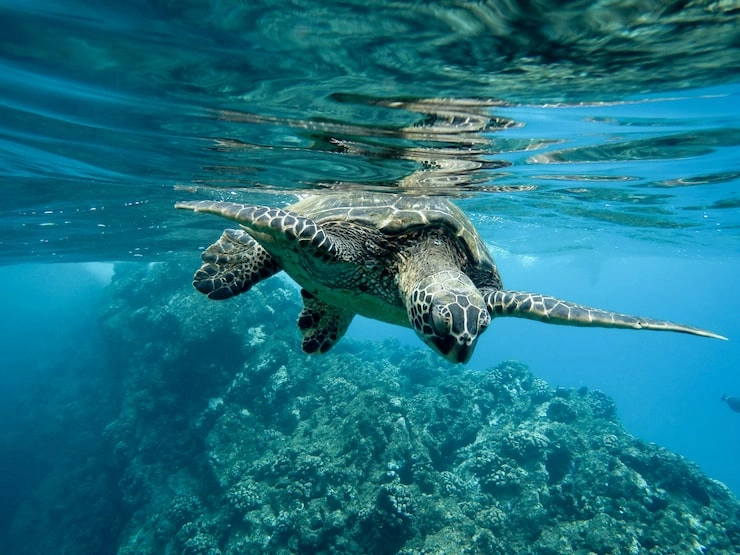
Scientific work in the Mediterranean also achieved the first recorded electrocardiogram from a whale in the region. Meanwhile, marine turtle conservation initiatives recruited and trained 14 youth ambassadors across French Guiana and Guyana. More than 50 additional satellite-tracking datasets were contributed globally to support research into turtle migration corridors.
Sustainable Hospitality Becomes Part of Destination Value
Novotel’s programme shows how hotel sustainability can influence the wider tourism experience.
Travellers increasingly encounter environmental choices throughout a journey, from transport and accommodation to dining and local activities. Hotels that reduce waste, improve sourcing and engage guests can help destinations protect the natural assets that attract visitors in the first place.
Novotel plans to continue expanding seafood traceability, staff training, plant-forward dining and guest education. Future conservation work will include ghost-gear removal in the Baltic Sea and support for whale migration mapping in Australia.
For the hospitality sector, the message is clear: ocean preservation is not only an environmental responsibility. It is also part of protecting the long-term appeal, resilience and economic value of destinations worldwide.
For more travel news like this, keep reading Global Travel Wire