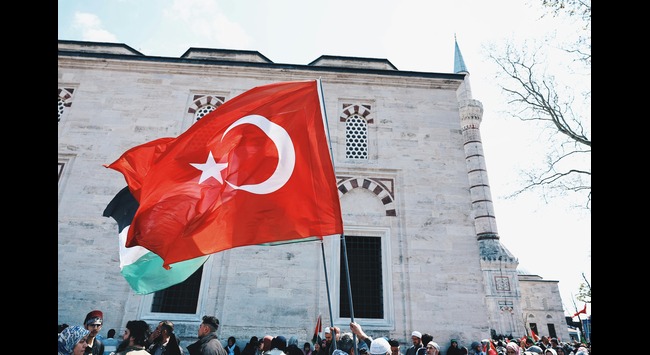
Türkiye strongly condemned Israel after reports surfaced of a strike on Iran’s state broadcaster, heightening military tensions between the two nations. This has folks worried about broader instability in the Middle East, potentially affecting aviation, tourism, energy markets, and international travel in 2026.
Turkish officials denounce the attack on media facilities, saying it ratchets up the conflict to risky levels. They call the assault ” unacceptable” and caution that more military moves could severely rock an area already struggling with instability. Amid these tensions, governments around the world keep a close eye on developments, gauging how events might affect security and travel networks in the region.
The latest developments have sparked major concerns in the global aviation industry. Many key international flight paths pass through or near troubled Middle Eastern airspace. Airlines linking Europe, Asia, and the Gulf are reviewing flight schedules, adjusting routes, and adding safety checks amid rising security concerns.
Experts think long-term tensions could hit Middle Eastern airlines hard, adding extra flight time and costs for those needing to avoid risky areas. Since carriers often rely on speedy regional routes to connect key hubs, any disruption could cause delays felt across the entire aviation network worldwide.
The situation is also drawing attention from the global tourism industry, which remains sensitive to geopolitical uncertainty. Travelers planning visits to destinations across the Middle East may face changing travel advisories, modified airline schedules, and increased security procedures at airports. Tourism operators are closely monitoring developments while reassuring visitors that many regional destinations continue operating normally.
Türkiye’s response reflects its longstanding position on regional stability and the resolution of diplomatic conflicts. Turkish leaders have repeatedly emphasized the importance of dialogue and international cooperation to prevent further escalation. Officials have called on all parties to exercise restraint and avoid actions that could expand the conflict beyond current boundaries.
Meanwhile, aviation experts are highlighting the potential consequences for international flight connectivity. Several major carriers serving routes between Europe, Asia, and Africa depend on Middle Eastern airspace for efficient operations. Extended disruptions could lead to higher fuel consumption, increased ticket prices, and reduced scheduling flexibility for airlines worldwide.
Energy markets are also reacting to the developments. The Middle East remains one of the world’s most important energy-producing regions, and any escalation in military activity often generates concerns regarding oil supply chains and transportation infrastructure. Rising fuel costs could place additional pressure on airlines already managing increasing operational expenses.
The conflict is unfolding during a period of strong recovery for international tourism and business travel. Airports across Europe, Asia, and the Middle East have been experiencing rising passenger volumes, while airlines continue to expand their networks to meet growing demand. Industry stakeholders are therefore particularly focused on maintaining operational stability despite regional challenges.
Security analysts believe the situation underscores the interconnected nature of modern travel and transportation systems. Events occurring in one region can quickly affect airline operations, tourism planning, supply chains, and business travel decisions across multiple continents. This reality has prompted governments and aviation authorities to maintain heightened vigilance.
Travel management firms tell people to keep up with airline messages, check official travel tips, and be adaptable when booking trips through Middle Eastern spots. Most pros think that although disruptions aren’t widespread now, things might change based on what happens next.
The aviation industry has shown resilience during earlier political turmoil, adapting by using alternative routes and developing better plans. Airlines and airports are still teaming up with international overseers to protect passengers and minimize hassles as much as possible.
With diplomacy ongoing and world leaders urging calm, the travel and tourism biz is watching closely to keep connections and balance. Since millions go through the Middle East’s skies each year, how this plays out will probably shape aviation and tourism trends for months to come.