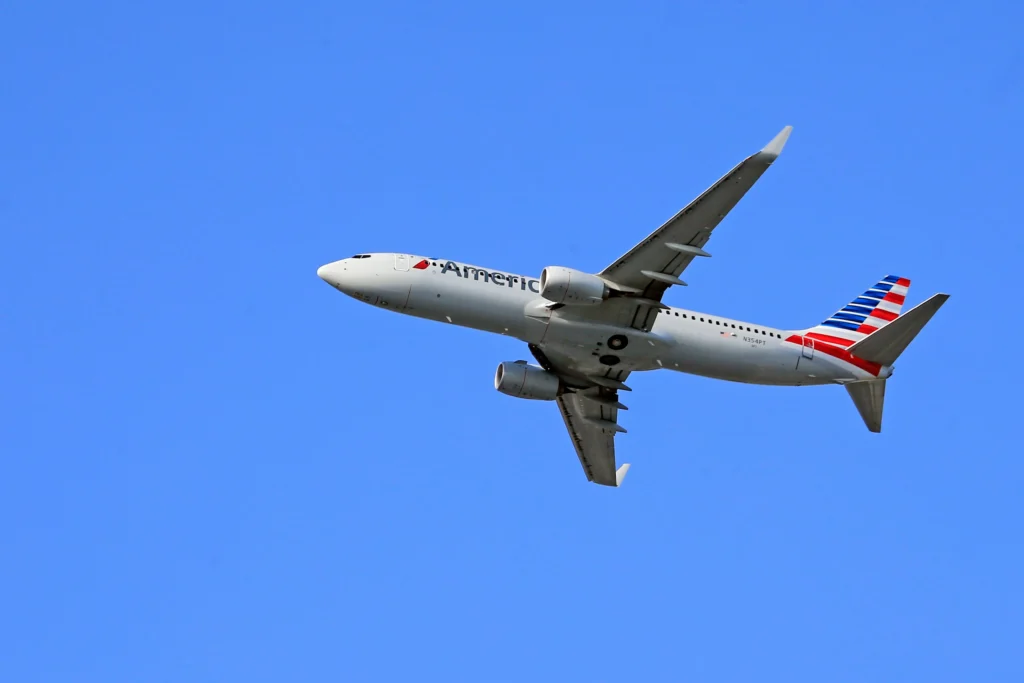
The commercial aviation landscape in North America is entering a period of deliberate operational restructuring as major carriers optimize their networks for the late-summer travel period. According to recent schedule updates filed with civil aviation registries and data tracked via commercial airline databases, a series of strategic tactical shifts are currently reshaping domestic flight paths. Foremost among these updates is a newly announced refinement in American Airlines flight capacity, which introduces temporary route alterations across several high-profile transcontinental and regional corridors throughout August and September.
Official public announcements distributed by the Fort Worth-based carrier characterize the schedule modifications as a standard seasonal adjustment rather than a permanent network reduction. In statements detailing its operational trajectory, the airline noted that it is actively refining its capacity growth to navigate an evolving industry-environment marked by shifting cost structures and changing regional demand patterns. By proactively realigning its commercial fleet layout during a historically softer transitional travel window, the operator aims to consolidate its flight banks while maintaining a robust baseline of thousands of daily departures nationwide.
Breaking Down Targeted Route Alterations and Hub Operations
The tactical adjustments in flight deployment are focused on specific city pairs, primarily involving transcontinental flights from key West Coast gateways and major East Coast distribution points. Industry data logs confirmed that six specific nonstop routes will experience a temporary operational pause between August 5 and October 5, requiring a shift toward connecting itineraries through primary network strongholds.
Los Angeles International Airport (LAX) serves as the primary focal point for the upcoming schedule adjustments, with four nonstop domestic corridors temporarily transition to connecting services. The affected routes consist of nonstop service connecting Los Angeles to Cleveland, Columbus, Pittsburgh, and Washington Dulles International Airport. Passengers traveling between these major metropolitan areas will continue to be accommodated through alternative routings routed systematically through the airline’s large central connecting networks, including Dallas-Fort Worth International Airport, Phoenix Sky Harbor International Airport, and Charlotte Douglas International Airport.
Parallel capacity refinements will also affect regional corridors in northern and southern California. Nonstop service connecting Charlotte Douglas International Airport (CLT) to Sacramento International Airport and Ontario International Airport will be paused for the same two-month block. Fleet management strategies indicate that rerouting these specific cross-country paths enables the carrier to maximize seat optimization on higher-yield frequencies while minimizing localized gate congestion at dense coastal facilities.
Industry Factors Driving Commercial Fleet Adjustments
Aviation analysts and transportation board reports highlight that modern airline network management requires continuous recalibration of contribution margins. Jet fuel consistently represents one of the single largest volatile operational expenses for commercial air carriers, historically accounting for 25 to 30 percent of total airline expenditures. When global energy markets experience localized price spikes or supply chain variations, the financial threshold required to maintain profitable operations on non-hub point-to-point routes rises significantly.
Rather than passing all increased overhead directly down to consumers via unchecked ticket premium increases, commercial airlines frequently choose to temporarily withdraw capacity from thinner, non-stop secondary markets. Pushing traffic through centralized mega-hubs allows legacy operators to fill larger aircraft cabins more efficiently, maximizing fuel utilization metrics per seat-mile while reducing the volume of empty or low-yield flights traveling across the domestic airspace grid. This coordinated consolidation is mirrored across the broader global transportation sector, with several European and domestic competitors enacting similar tactical route evaluations to preserve cash flow ahead of the autumn corporate travel surge.
Institutional Commitments and Consumer Rights Safeguards
To ensure full compliance with updated consumer protection mandates, the carrier has integrated comprehensive passenger accommodations for all individuals holding valid ticketing on the affected August and September flights. The U.S. Department of Transportation (DOT) enforces clear regulatory baselines regarding significant airline-initiated schedule changes, guaranteeing that travelers retain explicit rights and flexible remedies.
Under established carrier protocols and federal regulations, passengers affected by these structural modifications will be contacted directly via automated notifications. Travelers will be offered two primary avenues of recourse:
Automated rebooking on alternative connecting itineraries through neighboring hub networks at no additional cost.
A full cash refund returned directly to the original form of payment, completely free of administrative cancellation penalties, should the alternative flight options fail to align with the passenger’s personal scheduling constraints.
Practical Management Tips for Late-Summer Commuters
As commercial airlines increasingly rely on real-time automated schedule optimization to maintain their networks, international and domestic tourists must maintain diligent travel habits. Transportation offices recommend downloading official mobile carrier applications as a vital first line of defense, as digital platforms push out immediate gate alterations and itinerary reconfigurations significantly faster than standard third-party travel portals.
Passengers managing complex schedules during the late-summer transition should ensure that any connecting flight sequences include sufficient terminal buffers to account for standard ground delay programs. Furthermore, travel advisors suggest securing comprehensive trip insulation coverage, ensuring that non-refundable hotel deposits, car rentals, and tour bookings remain fully protected against unexpected commercial timetable modifications.
For more travel news like this, keep reading Global Travel Wire