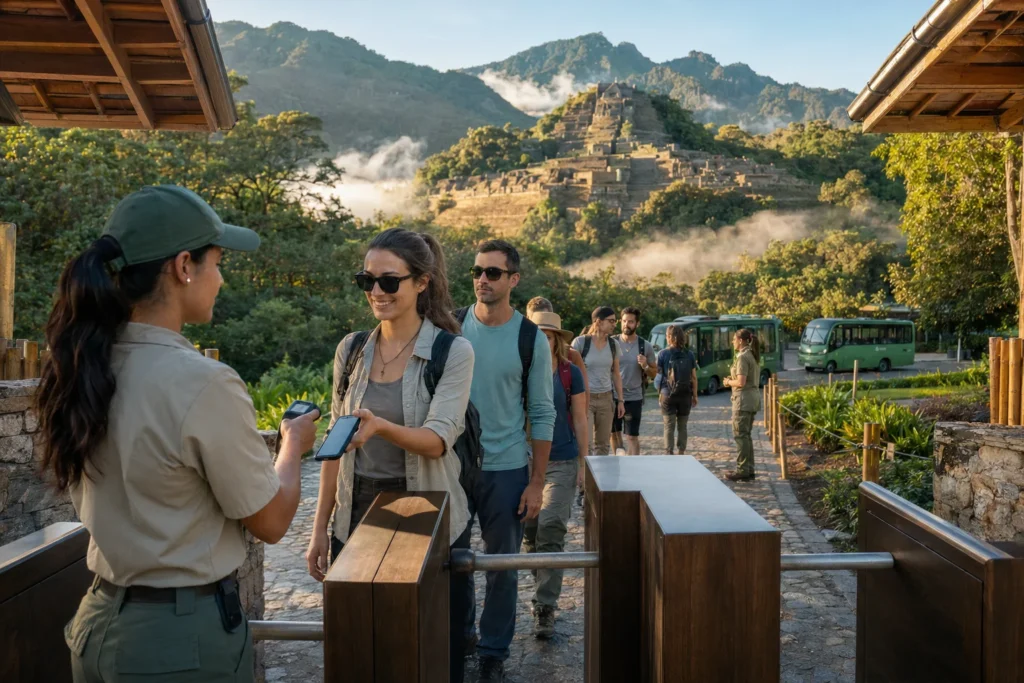
The rapid expansion of the travel sector across the Americas is prompting municipal authorities to enact comprehensive sustainable tourism strategies to safeguard fragile ecosystems and support local communities. Facing record numbers of visitor arrivals, iconic gateways throughout North and Latin America are introducing timed entry requirements, vehicle access limits, and cruise passenger caps to manage overcrowding and maintain environmental standards.
With global leisure travel continuing its upward trajectory, municipal governments are shifting their long-term focus from volume-driven promotional campaigns toward conservation-led management frameworks. These measures aim to balance robust economic activity with environmental protection and local quality of life.
Balancing Ecological Integrity and Visitor Management Across Gateway Destinations
Managing millions of annual visitors requires municipal planners to address resource depletion, highway congestion, and pressure on historic infrastructure. Across six major travel hubs in the Americas, regional authorities have introduced specific operational adjustments to mitigate overtourism:
Cancún, Mexico: Facing coastal ecosystem strain and coral reef pressure, local authorities have expanded reef restoration frameworks and marine conservation guidelines.
Tulum, Mexico: To curb coastal degradation and traffic congestion, local government initiatives emphasize protected nature reserves, upgraded municipal wastewater systems, and environmental zoning rules.
Cusco, Peru: Serving as the regional access point for Machu Picchu, local authorities enforce daily visitor caps, advance timed entry passes, and designated walking circuits to prevent physical wear on stone heritage sites.
Key West, United States: Municipal leaders are evaluating cruise ship arrival schedules and passenger caps to reduce pedestrian congestion and protect the marine sanctuaries surrounding the Florida Keys.
Sedona, United States: To manage red rock trail overcrowding and severe highway traffic, local transportation departments have deployed municipal park-and-ride shuttle systems and trail access parking limits.
Bar Harbor, United States: As the main gateway to Acadia National Park, local authorities coordinate seasonal cruise ship docking windows and enforce vehicle reservation systems for high-traffic areas like Cadillac Mountain.
Protecting Marine Ecosystems and Coastal Hotspots in Mexico
In major resort hubs like Cancún and Tulum, high visitor volumes have placed increased stress on coastal infrastructure, local freshwater reserves, and the Mesoamerican Barrier Reef. In response, Mexican municipal authorities and environmental management agencies have expanded beach restoration efforts and environmental monitoring.
Local guidelines mandate that tour operators maintain eco-certifications and adhere to strict waste reduction standards. Travelers visiting coastal ecosystems, cenotes, and Mayan heritage sites are urged to select certified sustainable accommodations and minimize single-use plastics to protect regional biodiversity.
Timed Entry Systems and Structural Visitor Circuits in Cusco
In Peru, the historic city of Cusco serves as the primary transit corridor for travelers visiting the UNESCO World Heritage site of Machu Picchu. Following high post-pandemic visitor numbers, official tourism management bodies established structured visitor flow systems to preserve ancient architectural structures.
The operational model relies on pre-scheduled, timed entry tickets alongside strict capacity limits on daily admissions. Visitors are required to follow mandatory one-way walking circuits designed to prevent crowding at central monuments. Official tourism campaigns encourage travelers to extend their stays in the Sacred Valley and Cusco’s historic district to distribute economic benefits across neighboring rural communities.
Transit Solutions and Cruise Management Across United States Destinations
In the United States, popular natural and coastal destinations are turning to public transit solutions and arrival scheduling to control physical congestion.
In Sedona, Arizona, heavy vehicular traffic near popular red rock trailheads led local authorities to introduce public shuttle networks. By restricting private vehicle parking at key access points, municipal transportation managers have reduced road congestion while preserving desert hiking corridors through Leave No Trace principles.
Along the East Coast, the coastal community of Bar Harbor, Maine, works in coordination with the National Park Service to regulate seasonal traffic at Acadia National Park. Through coordinated cruise ship scheduling and mandatory summit vehicle reservations, park managers prevent traffic gridlock during peak summer and autumn travel seasons. Similarly, in Key West, Florida, local governance initiatives focus on balancing cruise line itineraries with marine sanctuary protection and downtown pedestrian safety.
Operational Considerations and Planning Guidelines for Travelers
As destination management organizations implement strict capacity controls, travelers planning itineraries across the Americas must adapt to new regulatory frameworks. Failure to arrange reservations in advance can result in logistical disruptions:
Entry Pass Availability: High-demand cultural sites and national parks frequently reach maximum daily capacity months in advance.
Private Vehicle Restrictions: Locations utilizing public transit mandates restrict private car access, requiring visitors to adjust transit schedules around official shuttle networks.
Strict Arrival Windows: Timed entry passes require adherence to fixed arrival slots, reducing spontaneous schedule adjustments.
Tourism boards and park management authorities recommend that travelers secure entry permits early, utilize municipal public transport, and visit popular viewpoints during off-peak morning or evening hours. By choosing certified green operators and exploring secondary regional attractions, international visitors play a direct role in supporting sustainable tourism strategies across the globe.
For more travel news like this, keep reading Global Travel Wire