The structural economics of commercial aviation are facing severe margin pressures as global energy imbalances disrupt predictable operational planning. On the sidelines of the International Air Transport Association (IATA) Annual General Meeting in Rio de Janeiro, Brazil, international aviation planners focused heavily on localized fiscal mechanisms designed to shield carriers from financial strain. A primary highlight of these discussions centered on South Asia, where the executive leadership of the global airline grouping formally endorsed India’s strategic rollout of a dedicated jet fuel price stabilization fund to cushion scheduled airlines from unprecedented pricing volatility.
According to data compiled by global transport monitors, jet fuel prices have completely dissociated from traditional crude oil pricing benchmarks over the past year. Wholesale fuel costs experienced an aggressive trajectory, soaring from an average of 96 dollars per barrel to a peak of 188 dollars per barrel, before establishing a volatile baseline at approximately 156 dollars per barrel. To mitigate this systemic shock, the government of India authorized a comprehensive 10,000 crore rupee stabilization fund, an institutional move that international energy transition experts describe as a highly effective model for preserving consumer flight options and securing network continuity during periods of extreme financial stress.
Addressing the Threat of Network Rationalization and Demand Destruction
The introduction of the federal stabilization framework arrives at a critical turning point for the domestic transport sector. When operational expenditures outpace passenger ticket yields for extended periods, commercial airlines face a phenomenon known within transport planning circles as demand destruction—the forced reduction or total suspension of scheduled routes to minimize liquid cash burn.
Data from airline scheduling offices confirms that major domestic carriers, including market leaders like IndiGo, Air India, and Air India Express, have already implemented temporary route curtailments across several lower-yield domestic corridors. Network analysts warn that without a robust fiscal backstop, continued fuel price spikes force carriers to continuously reduce total seat capacity. This contraction leads directly to higher baseline airfares for the vacationing public, reduced seat availability on secondary heartland corridors, and secondary economic slowdowns for regional tourist economies that rely heavily on daily air connectivity to bring in visitors.
Mechanics of the 10,000 Crore Rupee Jet Fuel Stabilization Architecture
The operational framework of the price stabilization fund relies on a coordinated financial matching system that bridges state financial directorates and public sector Oil Marketing Companies (OMCs). The central architecture is designed to establish an adjustable pricing ceiling for Aviation Turbine Fuel (ATF) purchased within domestic borders.
By routing financial assistance directly through authorized OMCs, the program enables scheduled Indian flag carriers to source fuel at a predictable, fixed rate for both their extensive domestic grids and high-traffic international sectors. This temporary insulation prevents daily wholesale price adjustments from instantly impacting airline cash reserves. For corporate finance boards, this stability provides a reliable planning horizon, allowing carriers to preserve current workforce sizes, maintain complex multi-month fleet lease payments, and honor advance ticket prices locked in by leisure travelers booking trips six to eight weeks ahead.
Securing Essential Regional Connectivity Across Domestic Corridors
Regional transport boards stress that maintaining stable fuel frameworks is a vital national security priority for destination development. Unlike mature travel markets where alternative high-speed rail systems offer rapid transport choices, vast geographic zones across the Indian subcontinent rely entirely on commercial aircraft to link secondary commercial centers with primary metropolitan gateways.
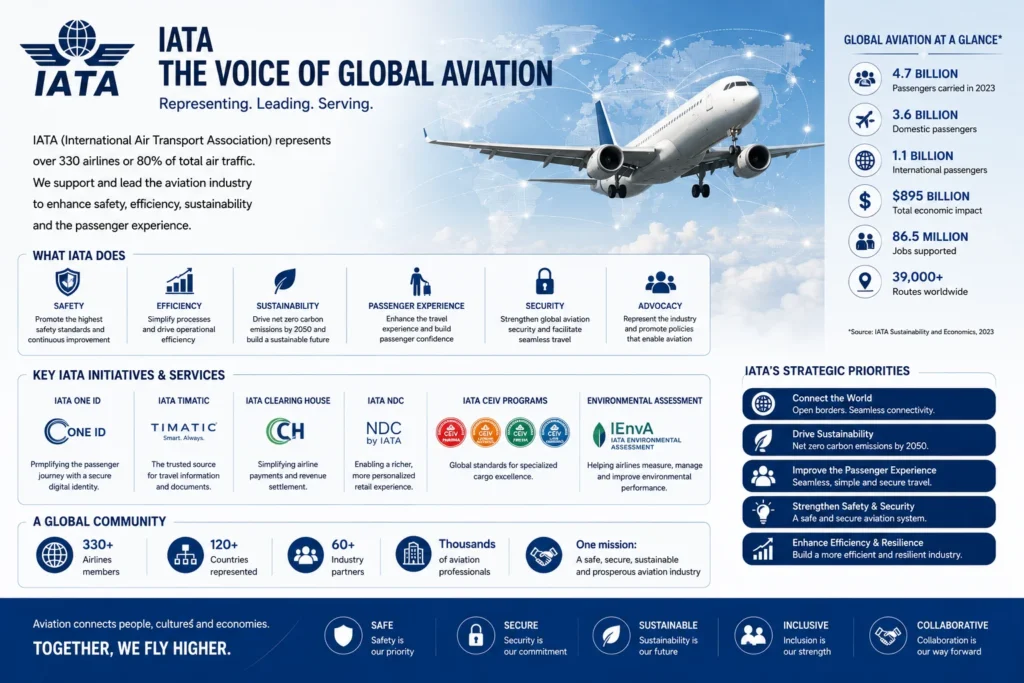
IATA regional leadership noted that different sovereign markets require unique policy toolkits to protect vital city-to-city transport corridors. Because the global aviation association represents more than 370 airlines managing approximately 85 percent of all worldwide air traffic, its data streams track exactly how rapidly regional connectivity collapses when independent airlines are left entirely exposed to global energy shocks. The organization’s formal policy position urges worldwide ministries to study the Indian stabilization package, emphasizing that infrastructure support and targeted regulatory relief are crucial to keeping global tourism and commerce networks operational.
Practical Guidelines for Commuters Navigating Changing Flight Schedules
As commercial airlines adjust their network capacities and optimize fleet allocations to counter shifting overhead costs, international and domestic vacationers must practice highly organized transit planning habits. Adhering to standard operational precautions ensures a seamless journey across the regional airspace network:
Verify Route Schedules via Mobile Software: Utilize official airline applications to monitor your flight status regularly, as networks utilize dynamic scheduling to optimize aircraft allocation on short notice.
Lock in Peak Vacation Tariffs Early: Secure seasonal airline tickets at least six to eight weeks before your planned departure date to protect your budget from late-stage adjustments driven by underlying fuel fluctuations.
Check Connecting Buffer Durations: When booking multi-leg holiday itineraries that connect regional corridors to long-haul international flights, maintain a minimum three-hour transit cushion to accommodate potential network shifts.
Maintain Comprehensive Trip Interruption Protection: Secure premium travel insurance policies that feature robust compensation provisions for flight cancellations or schedule modifications, protecting non-refundable resort deposits.
For more travel news like this, keep reading Global Travel Wire