The commercial aviation market across Western Europe is undergoing an important operational realignment as sustained energy supply disruptions force changes to standard pricing structures. Speaking before international transport ministries and civil aviation planners at the International Air Transport Association (IATA) Annual General Meeting in Rio de Janeiro, Brazil, corporate travel analysts assessed the changing landscape of cross-border flight ticketing. According to executive briefs distributed by the region’s leading aviation groups, prominent national flag operators are revising international long haul route tariffs to absorb severe operational cost inflation driven by ongoing logistics challenges.
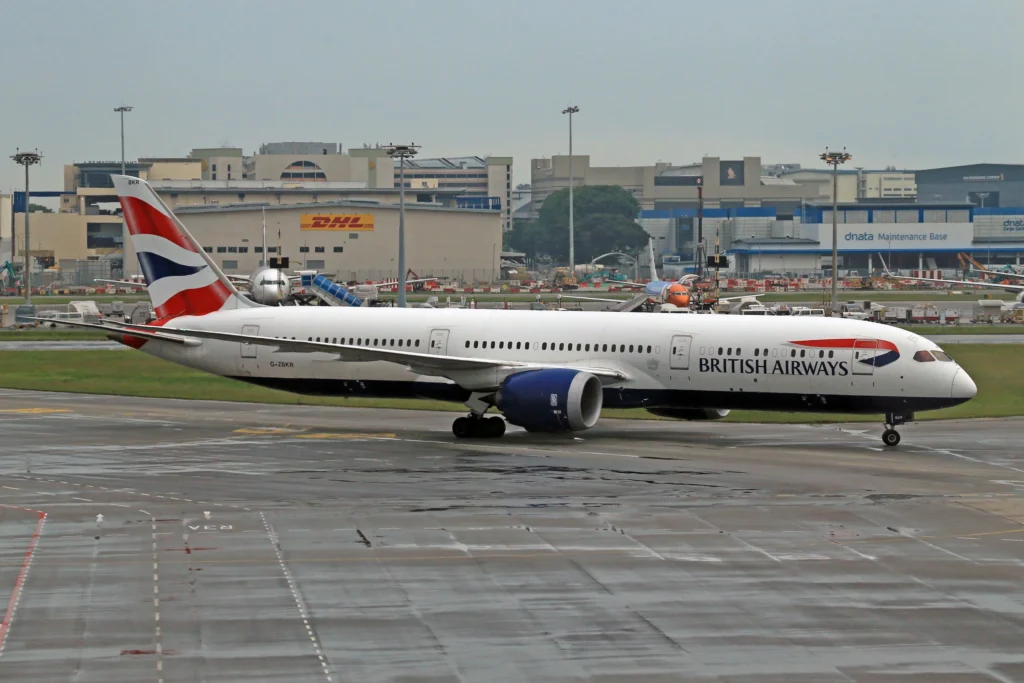
Official administrative statements released during the summit confirm that British Airways Chief Executive Sean Doyle outlined a decisive, yield-driven pricing strategy designed to stabilize corporate margins. The airline sector is managing a persistent surge in global kerosene benchmarks, which have doubled since severe maritime transport delays emerged early this year. Because jet fuel commands a substantial share of direct flight expenditures, network planners are leveraging advanced revenue management software to progressively pass cost increases down to passenger tickets, focusing heavily on premium and long-haul operations where corporate booking demand remains highly resilient.
Analyzing the 2 Billion Euro Energy Shock Across Shared Airline Networks
The implementation of these structural tariff adjustments follows a comprehensive financial reassessment conducted by the carrier’s parent organization, International Consolidated Airlines Group (IAG). In its updated fiscal briefs, the multi-national airline conglomerate—which controls key carriers including British Airways, Iberia, and Aer Lingus—revealed that its cumulative annual fuel expenditure is projected to hit approximately 9 billion euros. This revised baseline represents a massive 2 billion euro expansion over initial pre-crisis estimates, a financial shock that requires aggressive mitigation to safeguard corporate cash flow.
To counter this energy volatility without risking widespread passenger volume collapses, IAG has engineered a balanced corporate recovery model. The central framework is structured to offset roughly 60 percent of the 2 billion euro fuel increase through systematic yield optimization, premium service combinations, and aggressive internal efficiency measures. The remaining 40 percent of the cost surge will be systematically absorbed via long-term corporate hedging programs and optimized airport fuel logistics. Furthermore, because IAG maintains direct ownership or administrative control over dedicated fuel supply infrastructure at primary European flight hubs, the group maintains a unique buffer against physical kerosene shortages compared to smaller low-cost networks.
Leveraging Premium Flight Networks to Shield Against Volume Loss
A central element of the current pricing strategy is the deliberate reliance on the carrier’s well-established “premium fortress”—a structural business layout heavily weighted toward long-distance corporate traffic, business class configurations, and premium loyalty memberships. This market placement offers high flexibility during inflationary cycles, as business travelers frequently display lower price sensitivity compared to families booking short-haul leisure vacations.
Transportation data indicates that when flights are booked for essential corporate deals or cross-border trade operations, minor tariff adjustments are considered peripheral to the primary purpose of the journey. By applying the heaviest fare pass-through metrics to long-haul connections rather than competitive, short-haul European holiday paths, network managers can protect thin regional margins. This graduated pricing rollout is timed to take full effect after the high-volume summer vacation season concludes, allowing the carrier to capture maximum passenger volume during high-demand summer holiday months before shifting to higher autumn and winter corporate tariffs.
Challenging National Fiscal Policies and Tourism Penalties
Alongside fuel challenges, aviation executives are actively urging regional governments to revise domestic aviation taxes, which they argue are slowing broader destination recovery. Speaking directly to international media panels, Doyle criticized recent statutory updates that increased Air Passenger Duty (APD) rates across primary United Kingdom gateways, noting that high domestic transit levies reduce international competitiveness relative to neighboring holiday markets like France and Spain.
Transport ministry registries indicate that the recent 15 percent APD expansion adds notable cost pressures to long-distance premium tickets, presenting an administrative penalty for traveling groups. Industry representatives warn that if host nations intend to achieve long-term expansion goals—such as boosting inbound tourist tallies toward historic 50 million passenger marks—state departments must modify the overall affordability index for visiting families. High airport taxes combined with escalated fuel surcharges risk concentrating international visitors exclusively within a few major transport hubs, leaving secondary regional destination networks exposed to reduced tourism spending.
Essential Practical Advisory for Connected Long-Distance Commuters
As major international airlines adjust their booking systems and optimize seat distributions to adapt to shifting energy parameters, cross-border travelers should implement disciplined travel habits to protect their holiday budgets:
Lock In Flight Bookings Early: Secure long-distance international tickets 60 to 90 days before your planned departure to avoid progressive tariff increases driven by changing fuel benchmarks.
Verify Airport Departure Gate Data Digitally: Monitor your itinerary via official carrier mobile software, as operators employ real-time aircraft reallocations to control fuel burn.
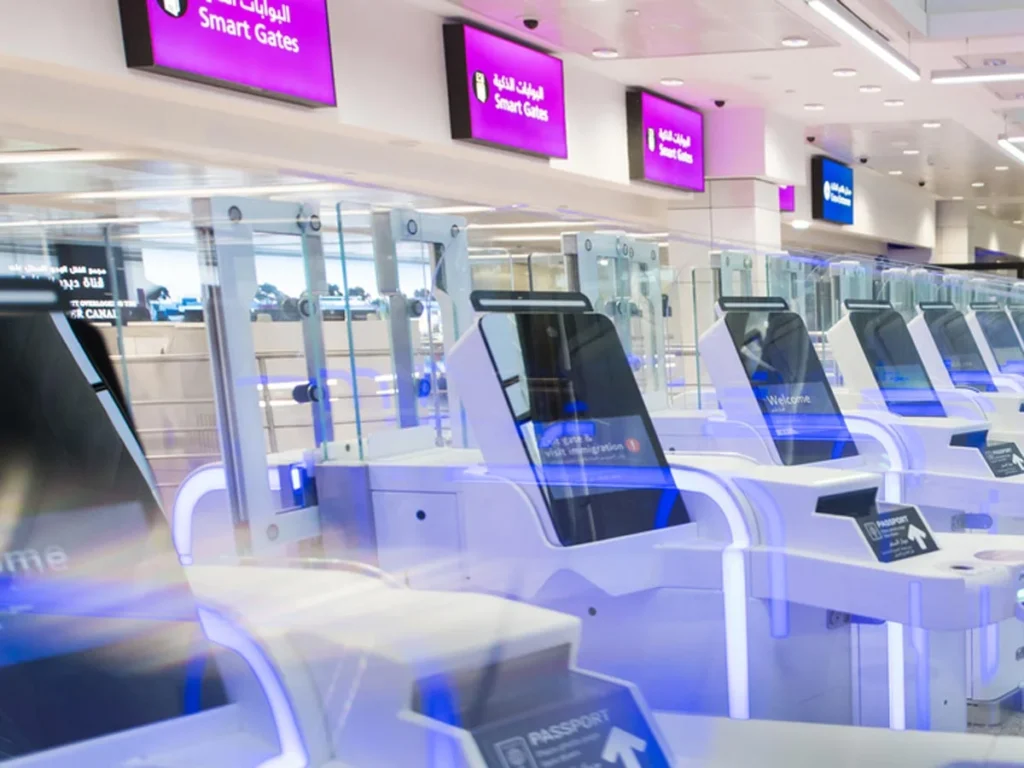
Confirm Cross-Border Document Validities: Ensure personal passports and electronic travel authorizations maintain a minimum six-month validity prior to entering terminal screening queues.
Maintain Resilient Trip Disruption Coverages: Confirm your travel insurance policy features extensive compensation terms for short-notice flight modifications, protecting non-refundable hotel deposits from schedule variations.
For more travel news like this, keep reading Global Travel Wire