The financial and operational parameters governing high-end wilderness expeditions are entering a significant period of systemic adjustment. According to official sector updates published by the regional destination monitor Go2Africa in June 2026, single independent explorers have emerged as the fastest-growing customer group across the sub-Saharan holiday market. By transitioning decisively away from rigid, group-centric itineraries, premium hospitality networks are expanding their experiential safari tourism portfolios, redesigning high-tier wilderness properties to accommodate self-directed international travelers who value autonomy over standardized excursions.
Statistical registries distributed across regional travel boards highlight the immense scale of this traveler evolution. In stark contrast to traditional family groups, couples, and organized tour bookings—which have all recorded flat or slightly reduced volume shares this season—the solo luxury traveler index has posted a robust 16 percent year-over-year increase. Online metadata tracking further reveals that global interest in self-directed exploration has hit an all-time high, with international consumer search inquiries for independent premium itineraries surpassing 1.6 million distinct queries in the first half of the year alone.
Breaking the Single Supplement: Tariff Realignment Patterns in East and Southern Africa
The primary strategy utilized by wilderness operators to capture this high-yield consumer segment is the widespread elimination of the historical single supplement penalty. For decades, the global lodging industry routinely penalized individual occupants with surcharge rates reaching up to 50 percent of the base room cost to cover perceived losses in secondary food and beverage spending.
To eliminate this barrier, luxury concessions across prime conservation zones are restructuring their pricing models:
Tanzania’s Northern Circuit: High-end tented camps across the Serengeti ecosystem are completely waiving single occupant surcharges during shoulder and low seasons, driving a 17 percent spike in independent bookings.
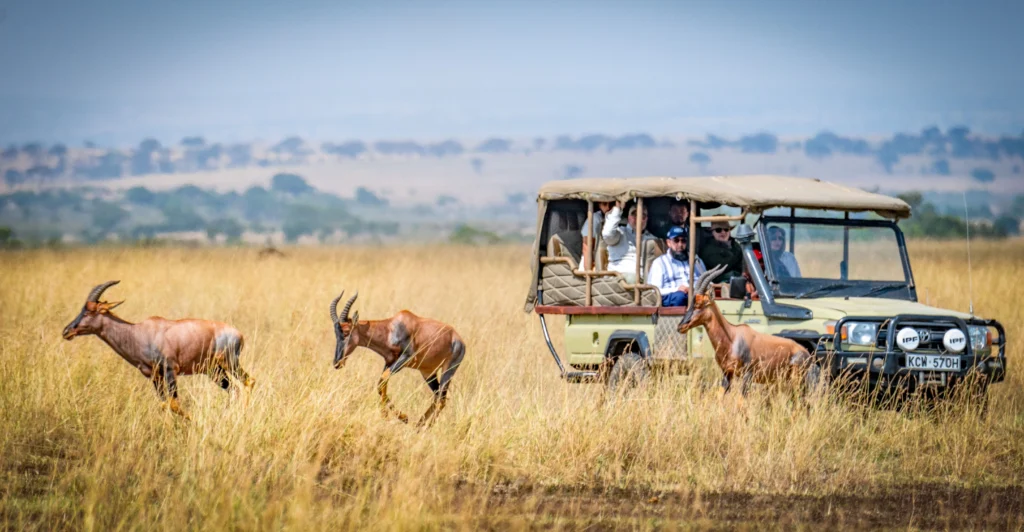
Kenya’s Maasai Mara Conservancies: Community-backed conservation lodges are offering solo travelers private usage of specialized 4×4 open safari vehicles without requiring premium group buyout fees.
Greater Kruger Regional Estates: Elite South African bush properties are introducing graduated single occupant packages that blend fine dining counter-seating options with bespoke local guide pairings.
This widespread adjustment allows premium operators to maintain exceptionally high weekend and midweek occupancy rates. Because affluent independent travelers typically demonstrate higher per-capita daily spends on auxiliary spa services, private flight charters, and boutique retail purchases compared to budget tour groups, the removal of the single supplement functions as an effective tool for boosting overall property margins.
The Rise of Ecotourism and Purpose-Driven “Whycations”
Beyond simple logistical changes, the independent travel movement is closely linked to a profound cultural shift in traveler psychology. Regional conservation data briefs indicate that modern solo travelers increasingly seek purpose-driven journeys—frequently classified by destination managers as “whycations”—where personal retreat experiences are directly integrated with positive social, cultural, and ecological initiatives.
Instead of passively observing local ecosystems from a distance, solo travelers are actively seeking out properties tied to verified community empowerment initiatives, such as the Friedkin Conservation Fund’s local apiary and sustainable beekeeping projects near the Serengeti plains. This focus on ethical transparency ensures that a substantial portion of premium ticket expenditures flows directly into localized wages, anti-poaching patrol equipment, and rural educational infrastructure. By deliberately supporting owner-operated boutique camps and smaller regional portfolios rather than sprawling international hotel conglomerates, independent travelers are helping build resilient, self-sustaining conservation structures that benefit local communities without encouraging urban migration.
Incorporating Silent Luxury and Specialized Personal Restoration Systems
To complement the physical isolation of the wilderness, luxury lodge architects are introducing dedicated spaces that support “hushpitality”—a premium service standard centered on absolute digital disconnection, physical privacy, and deep mental restoration. Rather than constructing massive multi-room residential suites tailored for large family reunions, prominent development firms are pouring capital into intimate, biophilic villas that seamlessly blur the boundaries between indoor living spaces and the surrounding natural scenery.
These specialized, single-occupant spaces feature comprehensive, tailor-made wellness programs. At leading wellness properties like Legendary Lodge, arriving travelers are greeted with personalized jet-lag menus, private yoga decks overlooking wildlife paths, and custom guided running tracks through protected coffee plantations. By prioritizing customized mental restoration over forced group activities, the luxury sector successfully creates deeply rejuvenating, uncrowded spaces that allow high-earning corporate professionals, digital nomads, and independent explorers to fully decompress on their own terms.
Actionable Operational Guidelines for Independent Wilderness Visitors
As international safari networks and regional aviation providers optimize their booking software to handle rising solo passenger flows, independent travelers should implement disciplined planning habits:
Lock In Flight and Lodge Bookings Early: Because boutique wilderness camps often feature limited room capacities, secure your preferred single-occupancy allotments 9 to 12 months before your planned departure date.
Verify Regional Weather and Track Transitions: Research changing seasonal climate patterns across individual countries, ensuring your gear configurations match the rapid transition from arid desert mornings to humid coastal evenings.
Coordinate Document and Visa Clearances Digitally: Utilize official government immigration portals to secure electronic travel authorizations at least 72 hours prior to boarding connection flights.
Maintain Comprehensive Remote Disruption Insurance: Confirm your premium travel policy features robust medical evacuation coverage and flexible short-notice cancellation terms to protect advance lodge deposits from unexpected transit changes.
For more travel news like this, keep reading Global Travel Wire