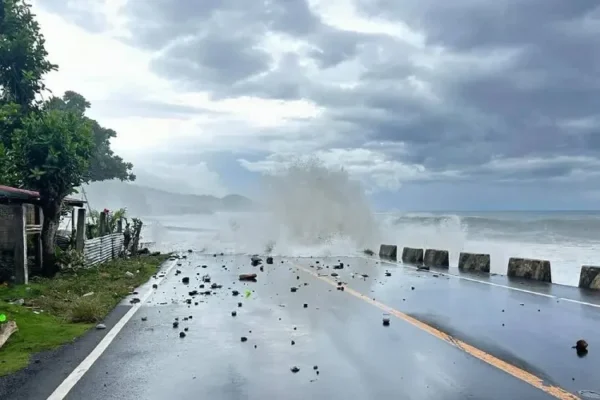
Taiwan’s travel sector is facing heightened disruption as Typhoon Fung-wong brings renewed concern over flight delays, coastal safety, transport interruptions, and visitor movement across major tourism destinations.
The powerful tropical system has placed airlines, airports, hotels, tour operators, and local authorities on alert as heavy rain, strong winds, unstable seas, and possible flooding threaten to affect travel across the island. Officials have urged residents and visitors to monitor official weather updates closely and avoid unnecessary journeys in exposed coastal, mountain, and flood-prone areas.
The situation is especially important for international travellers using Taoyuan International Airport, Taiwan’s main aviation gateway. Weather linked to typhoon systems can affect runway operations, aircraft handling, visibility, baggage movement, and boarding schedules, creating delays across inbound and outbound services.
Flights Face Delays As Taiwan Aviation Prepares For Storm Impact
Taiwan’s aviation sector is preparing for operational pressure as airlines review flight schedules and safety procedures. Typhoon conditions can quickly force carriers to delay, reroute, or cancel services when wind speeds, visibility, or runway conditions exceed safe operating limits.
Flights connecting Taiwan with Japan, South Korea, Southeast Asia, mainland China, and other regional destinations may face knock-on disruption if weather conditions deteriorate. Even when airports remain open, aircraft rotations can be affected by delayed arrivals, late departures, crew scheduling limits, and ground handling restrictions.
Taoyuan International Airport is expected to remain a key focus for passengers, airlines, and tour groups. Travellers passing through the airport should check flight status before leaving for the terminal and allow extra time for road access, check-in, security, and possible schedule changes.
Domestic air routes may also face disruption, particularly services linking offshore islands or regions more exposed to strong wind and rough sea conditions.
Tourism Hotspots Brace For Safety Restrictions
Taiwan’s tourism industry is also preparing for short-term disruption as outdoor attractions, mountain routes, coastal areas, and scenic destinations face increased safety risk.
Popular visitor areas such as Jiufen, Alishan, Yehliu Geopark, national scenic areas, coastal trails, and mountain townships may experience restricted access if rainfall, landslides, rockfall, or high waves create unsafe conditions. Tour operators are expected to adjust itineraries, suspend exposed excursions, and prioritise traveller safety until conditions improve.
Mountain regions are particularly vulnerable during typhoon events. Heavy rain can trigger landslides and flash flooding, while narrow roads can become dangerous with poor visibility and falling debris. Visitors planning hiking, cycling, hot spring trips, or rural excursions should avoid high-risk routes during active warnings.
Hotels and hospitality providers may also see itinerary changes as guests delay arrivals, extend stays, or request flexible booking support.
Coastal Safety Measures Intensify Across Taiwan
Coastal safety is a major concern as Typhoon Fung-wong influences sea conditions around Taiwan. Strong waves, storm surge risk, and sudden wind shifts can create dangerous conditions for beachgoers, ferry passengers, anglers, and coastal sightseers.
Authorities have advised travellers to avoid beaches, harbours, sea walls, and exposed viewing points during peak storm activity. Even after the centre of a typhoon moves away, residual swell and unstable coastal conditions can remain dangerous.
This directly affects Taiwan’s coastal tourism economy. Destinations known for ocean views, geological formations, island trips, seafood tourism, and coastal recreation may see temporary declines in visitor activity as safety restrictions remain in place.
For tourists, the safest approach is to follow official instructions, avoid taking photos near rough seas, and postpone any marine-based activity until authorities confirm improved conditions.
Rail, Metro And Road Travel May Face Disruption
Taiwan’s wider transport network may also come under strain if the storm brings heavy rain and strong winds across urban and rural areas.
Rail services can be adjusted when weather threatens track safety, bridge crossings, slope stability, or visibility. Road travel can become dangerous in mountain corridors, coastal highways, and low-lying districts where flooding may develop rapidly.
Major urban centres such as Taipei, New Taipei, Taoyuan, Taichung, Tainan, and Kaohsiung may see reduced commuter movement if local authorities activate storm-related work, school, or transport measures. Metro systems are generally more resilient, but passenger flows can still shift sharply when outdoor travel becomes difficult.
Travellers relying on airport trains, buses, taxis, or intercity rail should plan extra time and keep backup transport options ready.
Tourism Businesses Move To Protect Visitor Confidence
Taiwan’s tourism sector has strong experience managing typhoon-season disruption, but the immediate impact on visitor confidence can still be significant. Flight delays, cancelled tours, closed attractions, and weather warnings can quickly affect holiday plans, especially for short-stay travellers.
Tourism businesses are therefore focusing on flexible communication, revised schedules, guest safety briefings, and practical support. Hotels may help travellers rearrange airport transfers, while tour companies may replace outdoor activities with safer indoor cultural experiences where possible.
This approach is essential for maintaining long-term confidence in Taiwan as a year-round destination. The island remains known for its night markets, cultural heritage, mountain landscapes, hot springs, coastal routes, temples, food tourism, and city experiences, but severe weather requires quick and clear travel management.
Travellers Urged To Stay Flexible And Follow Official Alerts
Travellers in Taiwan should treat Typhoon Fung-wong as a serious travel planning issue. Flight schedules, ferry services, road access, outdoor attractions, and coastal activities can change quickly during storm periods.
Passengers should monitor airline notices, airport updates, government weather alerts, hotel messages, and tour operator guidance. Those with tight connections should allow wider buffers, while visitors heading to mountain or coastal areas should delay travel until conditions are confirmed safe.
Typhoon Fung-wong highlights how extreme weather can rapidly reshape aviation, tourism, and daily mobility across a highly connected destination. While disruption may be temporary, safety remains the priority. Taiwan’s coordinated emergency systems, aviation procedures, and tourism response measures are designed to support recovery once the storm weakens and travel conditions stabilise.
For more travel news like this, keep reading Global Travel Wire