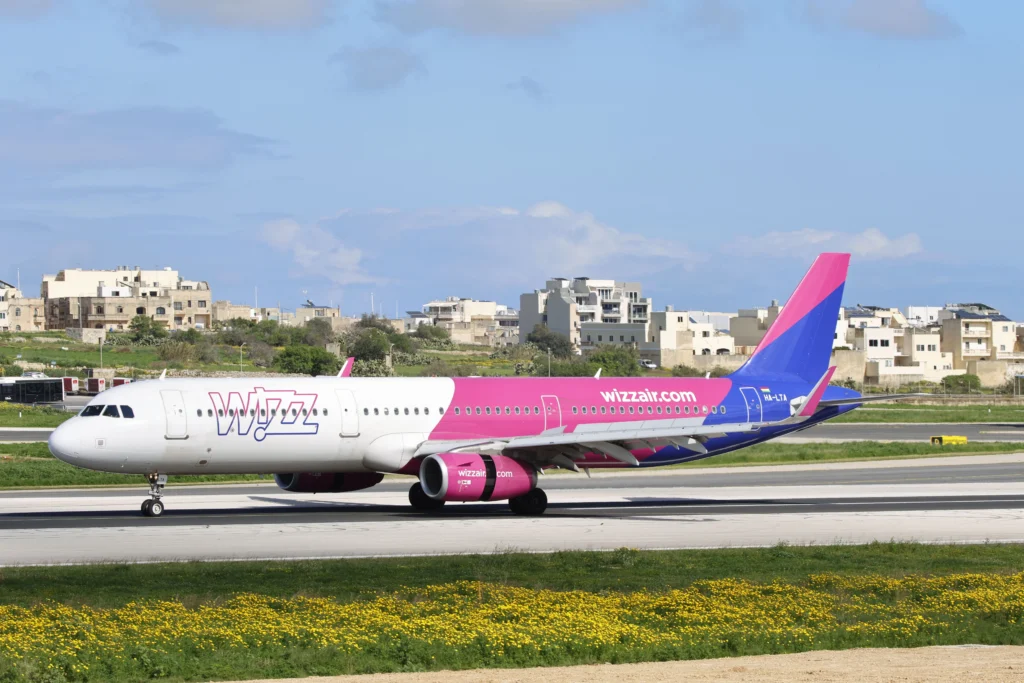
Coordinating long-distance itineraries across highly congested airspace demands meticulous planning and high levels of operational adaptability. As international tourism prepares for peak seasonal volume, travelers are actively seeking methods to avoid terminal congestion and sudden scheduling shifts. Official administrative releases show that European low-cost carrier Wizz Air has launched a comprehensive structural network upgrade designed to maintain schedule reliability across its continental routes.
By combining an aggressive fleet expansion with the deployment of predictive software systems, the airline aims to insulate its flight matrix from systemic air traffic control delays and regional handling bottlenecks. For global tourists, family vacationers, and digital nomads, this operational shift represents a major development in how modern carriers stabilize transit reliability during peak international travel windows.
Analytical Breakdown of the Fleet Expansion and Operational Capacity
According to official fleet deployment statistics and corporate aviation disclosures, Wizz Air has introduced nineteen additional factory-new aircraft to its active operating division. This tactical induction of Airbus A320neo and A321neo narrow-body airframes brings the carrier’s total operating fleet to approximately 269 units. This physical resource expansion underpins a projected thirty percent year-over-year capacity growth, adding nearly three million individual passenger seats to the market for the peak seasonal window.
Verified operational metrics detail exactly how this expanded infrastructure is being distributed across the international network:
Daily Flight Frequencies: The airline’s expanded fleet is structured to facilitate up to 1,200 daily flight operations, providing extensive routing choices across nearly 200 destinations in Europe, the Middle East, Central Asia, and North Africa.
Targeted Route Expansions: Exactly fifteen entirely new summer routes have been added to the carrier’s network map, expanding international connectivity to secondary and emerging tourism markets.
Physical Resource Buffers: The nineteen newly inducted airframes act as active operational buffers scattered across principal regional bases. This setup allows dispatch managers to execute rapid aircraft swaps during severe weather events or regional air traffic control restrictions without causing cascading route cancellations.
High-Volume Performance Baseline: Official capacity reports from the preceding baseline month of May 2026 show a verified flight completion rate of 99.99 percent, with 82.67 percent of all operations arriving within fifteen minutes of their published schedules.
By establishing this robust infrastructure baseline, the carrier seeks to absorb localized transit pressures before they can develop into widespread terminal delays.
Deploying Artificial Intelligence as a Shield Against Delay Propagation
Beyond raw physical resources, the key component of this seasonal network defense lies in the integration of predictive artificial intelligence within the carrier’s centralized 24-hour operations center. Rather than relying on traditional reactive dispatch methods after a logjam occurs, the automated operational system continuously scans live aircraft positioning data, crew rotation limits, and emerging regional meteorological patterns.
This predictive modeling software allows planners to practice what aviation experts call smarter scheduling. By calculating potential bottlenecks up to twelve hours in advance, the system proactively shifts departure slots and optimizes early-morning launch windows. Building these early-morning operational buffers ensures that minor localized ground delays are completely absorbed early in the day, effectively stopping the afternoon delay propagation that frequently disrupts tightly packed continental point-to-point networks.
Furthermore, these automated workflows help manage complex crew allocations. Because pilots and cabin crews are subject to strict federal duty-hour limits, the AI system actively calculates optimal standby positioning. If an aircraft encounters a localized hold, the system automatically assigns fresh standby personnel, preventing secondary flight cancellations caused by crew exhaustion limits.
Digital Passenger Services and Adaptive Multi-City Routing
To minimize terminal queue lengths and lower passenger friction during unexpected infrastructure challenges, the airline is introducing several automated passenger-facing digital services. These cloud-based features allow travelers to manage their booking logistics independently, right from their personal mobile devices.
A key feature is the launch of the Wizz Link application, a digital interface specifically designed for backpackers, multi-destination tourists, and remote professionals. This system allows users to bundle separate low-cost flight segments into a single, digitally managed itinerary. If an unexpected operational delay disrupts an initial leg, the integrated platform automatically adjusts subsequent segments, protecting the traveler’s total journey and reducing out-of-pocket change expenses.
Additionally, automated delay assistance protocols have been integrated directly into the carrier’s mobile application. In the rare event of a scheduling change or route cancellation, affected passengers receive instant push alerts accompanied by an automated rebooking interface. This framework allows eligible users to select alternative flights or request immediate refunds digitally, eliminating the need to wait at physical airport customer service counters.
Actionable Guidelines for Navigating Saturated Summer Airspace
While advanced technology and fleet additions provide a stronger layer of operational protection, passenger readiness remains a critical part of a smooth journey. Regional tourism ministries and aviation boards recommend that international travelers follow precise operational steps during peak travel periods:
Prioritize Early-Morning Departures: When planning seasonal vacation itineraries, intentionally choose flight segments scheduled for the early morning hours. These flights utilize fresh aircraft and rested crews, benefiting from maximum scheduling buffers before regional airspace congestion builds.
Activate Real-Time Carrier Alerts: Ensure all mobile push notifications and data links are active within your carrier’s application before departing for the terminal. This guarantees you receive gate reallocations and routing updates ahead of central airport display screens.
Complete Remote Processing Windows: Utilize online check-in services and digital baggage drop options at least twenty-four hours before departure. Streamlining your paperwork remotely significantly reduces processing times inside busy airport lobbies.
Maintain Multi-Modal Contingency Frameworks: When coordinating travel across highly saturated transit zones, maintain a clear understanding of alternative regional transport networks, such as high-speed rail links, to preserve itinerary flexibility if localized restrictions arise.
As international aviation infrastructure adapts to growing global demand throughout 2026, the combination of predictive artificial intelligence and deliberate fleet redundancy is setting a new standard for transport reliability. By relying on official data channels, leveraging digital self-service tools, and planning itineraries proactively, modern tourists can easily navigate complex transit networks and secure their holiday destination goals.
For more travel news like this, keep reading Global Travel Wire