The global travel sector has reached a major milestone in infrastructure restoration, driven by significant schedule expansions at primary international transit hubs. According to official commercial aviation updates and international tourism board releases, flagship carriers are successfully standardizing long-haul capacity to meet intense seasonal holiday demand. Leading this international surge is the United Arab Emirates’ premier airline, which has effectively restored 96% of its comprehensive global aviation network, operating out of its central base at Dubai International Airport.
Official civil aviation telemetry and mid-year fleet deployment logs confirm that the carrier is currently serving 137 international destinations distributed across 72 countries. This massive return to operational scale provides a timely boost to international tourism boards, local hospitality markets, and global business travel networks that rely heavily on the hub-and-spoke connectivity optimized in the Gulf region.
Regional Route Restorations and Middle East Network Updates
A major factor in the current stability of the global network is the strategic resumption of vital regional shuttle routes. Tourism authorities and transport ministry bulletins confirm that commercial links to Kuwait have been successfully re-established following a brief operational pause. The passenger corridor to Kuwait City—which experienced temporary system-wide route suspensions following an airport security incident on June 3, 2026—has fully returned to active schedules.
International airlines, explicitly including the Dubai flag carrier, officially resumed scheduled passenger flights to Kuwait on June 18, 2026. These active regional rotations are currently routed exclusively through Terminal 4 at Kuwait International Airport, restoring essential corporate and leisure connectivity between the two major Gulf economies.
While regional flight capacities are climbing back to historic highs, certain air corridors remain restricted due to active geopolitical safety protocols. According to current international flight safety directives and federal transport advisories, a strict do-not-operate advisory remains active for specific sections of regional airspace. Consequently, commercial flight paths over Iran and Iraq continue to face ongoing diversions and schedule gaps, as international regulators prioritize maximum safety margins for global passenger transit.
Boosting Summer Tourism and Fleet Capabilities
The restoration of the carrier’s international route footprint aligns directly with the peak summer holiday travel surge. Civil aviation statistics from Dubai Airports reveal that passenger volumes are climbing steadily, prompting official airport management teams to issue comprehensive travel advisories for departing tourists. To ensure smooth processing amid high seasonal demand, airport authorities are urging passengers to utilize digital check-in platforms and arrive at Dubai International Airport Terminal 3 at least three hours prior to scheduled departure times.
To support this expanded global footprint, the airline is introducing upgraded fleet capacities across multiple high-traffic tourist lanes. The integration of retrofitted aircraft featuring updated four-class cabin configurations—including Premium Economy—is expanding to major tourism gateways across Europe, Asia, and Africa. Key destinations such as Copenhagen, Phuket, and Cape Town are benefiting from added daily frequencies, significantly increasing available seat kilometers for international holidaymakers. Furthermore, partnerships with local regional carriers allow international travelers seamless transit access to over 100 secondary cities, establishing extensive network continuity across emerging destinations.
Navigating Evolving Travel Protocols Safely
For tourists managing their international travel itineraries, remaining informed on real-time routing adjustments is essential for a seamless journey. National health organizations and global tourism registries note that select destination countries continue to enforce specific travel entry restrictions or enhanced border screening measures in response to localized public health updates, such as tracking active viral strains.
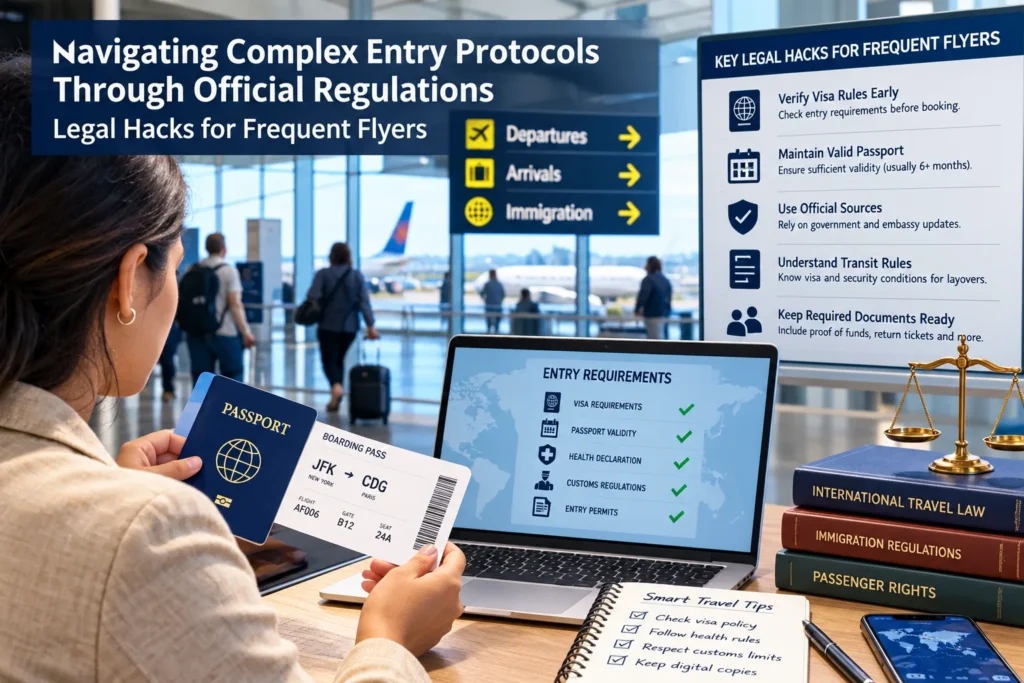
Aviation experts emphasize that maintaining the integrity of an international network requires constant coordination between flag carriers, destination ministries, and air traffic control centers. Passengers are strongly encouraged to monitor their active reservation profiles via official mobile applications, ensure all international entry visas are validated before heading to the departure gate, and follow real-time transport updates. As major carriers continue to resolve regional airspace constraints and expand baseline schedules, the global tourism ecosystem remains positioned for robust, highly efficient operational performance through the upcoming travel season.
For more travel news like this, keep reading Global Travel Wire