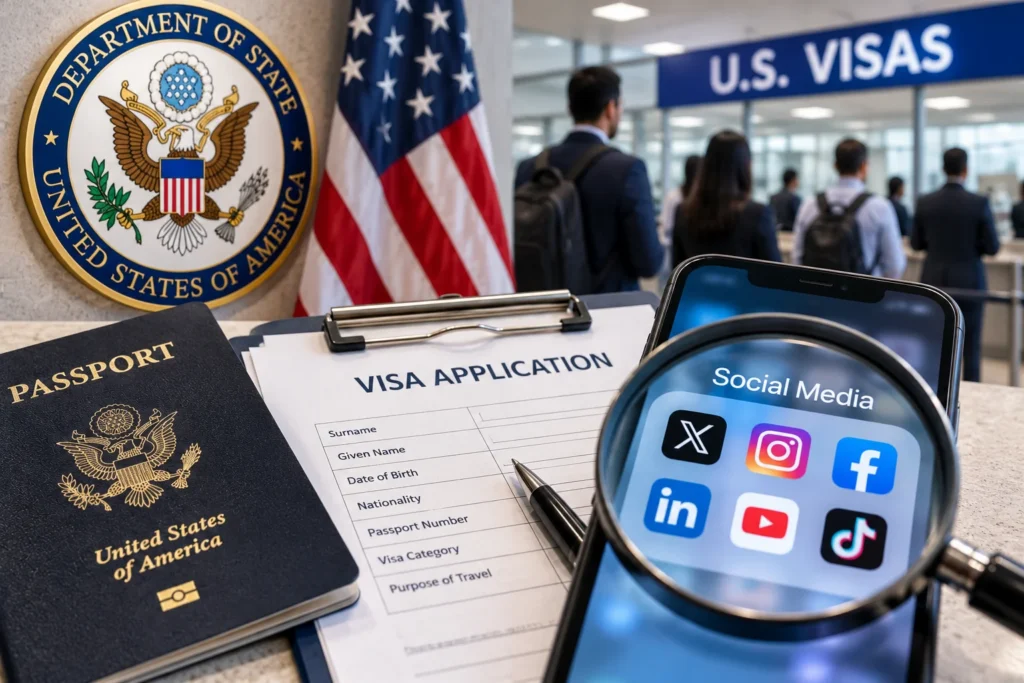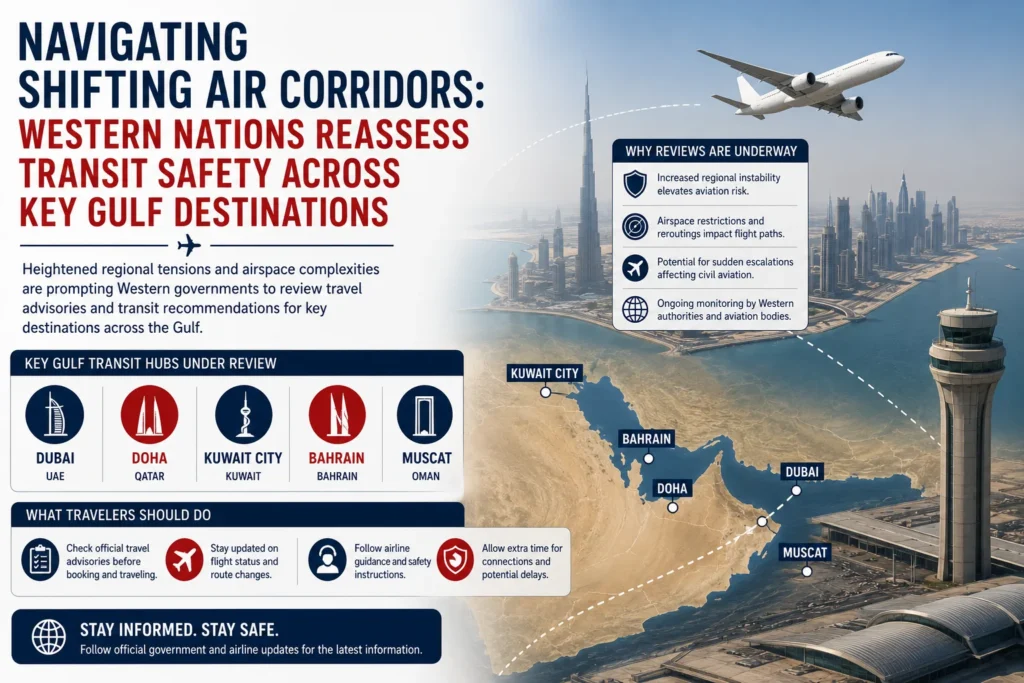
Global aviation networks and international tourism boards are actively adapting to a dynamically evolving security environment in the Gulf region. Following an increase in regional maritime and airspace complexities, western government departments—including the United States Department of State and Australia’s Department of Foreign Affairs and Trade—have systematically updated their formal travel advice for multiple Middle Eastern destinations. The revised circulars underscore the highly complex nature of the regional airspace and emphasize the need for heightened vigilance among international transit passengers.
According to the latest consular database updates, several major nations within the Gulf Cooperation Council (GCC) are currently subject to Level 3 advisories, which instruct citizens to reconsider their need for non-essential travel. The tracking frameworks apply directly to prominent tourism and transit destinations, including the United Arab Emirates, Qatar, Saudi Arabia, Bahrain, Kuwait, and Oman. Concurrently, strict Level 4 “Do Not Travel” designations remain strictly enforced for adjacent territories, including Iran, Iraq, Lebanon, Syria, and Yemen.
Heightened Space Monitoring and the Impact on Major Transit Hubs
The primary driver behind the updated international travel advisories is the fluid security environment surrounding critical maritime chokepoints and shared flight corridors. Civil aviation authorities across the Gulf have intensified their airspace monitoring protocols to guarantee the integrity of commercial flight paths. Because prominent global hubs such as Dubai International Airport and Hamad International Airport in Doha process millions of long-haul connection passengers weekly, maintaining verified, predictable flight paths is a top priority for regional transportation ministries.
Official regulatory advisories indicate that while commercial airports across the UAE, Qatar, and Saudi Arabia remain fully operational, the potential for sudden airspace restrictions or temporary border tracking modifications requires advanced coordination. International airlines navigating the upper Persian Gulf are working in tandem with regional air traffic control units to map out optimized precautionary routing. These logistical adjustments are structured to minimize overflight exposure in highly sensitive maritime zones, ensuring that long-distance routes linking Europe, Asia, and Africa continue to function under strict safety parameters.
The structural adjustments come at a time when Gulf nations are investing heavily in non-oil economic diversification, utilizing tourism, luxury hospitality, and massive cultural infrastructure projects to attract global travelers. Regional tourism authorities are actively communicating that internal infrastructure, hospitality zones, and municipal transport networks within the major secure capitals remain entirely secure and unaffected by broader regional trends, provided visitors adhere to official safety frameworks.
Comprehensive Passenger Protocols and Booking Adjustments
To mitigate consumer confusion amidst changing travel alerts, global consulates and major network carriers have established explicit compliance frameworks for international visitors. Travel departments strongly mandate that all citizens currently residing in or transiting through the Middle East enroll in official embassy tracking applications, such as the Smart Traveler Enrollment Program. These digital networks provide direct, verified notifications regarding localized airspace availability, border processing changes, or consular status alerts.
Airlines operating throughout the region have also adapted their commercial policies to support consumer flexibility. Passengers holding ticket bookings through major Gulf transits are encouraged to check their flight status directly via verified airline applications before departing for their origin terminals. In alignment with standard international consumer protection standards, major carriers are offering streamlined rebooking options and expanded cancellation waivers for itineraries experiencing mandatory safety-related route modifications.
Furthermore, international travel insurance groups are updating their regional coverage guidelines. Financial regulatory bulletins note that while standard medical and trip interruption benefits remain active for many Gulf destinations, claims arising directly out of restricted military zones or unverified transit pathways are subject to strict policy exclusions. Prospective tourists are urged to thoroughly audit the specific regional clauses of their insurance policies to ensure robust protection is in place for emergency medical evacuations or unexpected scheduling delays.
Regional Diplomacy and Infrastructure Resilience
Despite the ongoing operational friction across shared flight paths, regional governments continue to demonstrate high levels of institutional resilience. Civil defense departments across Saudi Arabia, the UAE, and Qatar maintain highly sophisticated infrastructure protection frameworks designed to safeguard civilian population centers and primary transport corridors from external disruptions.
Additionally, diplomatic channels across the region remain highly active, with nations like Oman continuing to serve as critical baseline mediators to ensure the long-term stabilization of commercial shipping lanes and civil aviation pathways. By prioritizing real-time coordination with international regulatory groups and strictly adhering to updated government travel advisories, the global tourism sector is working to preserve the continuity of Middle Eastern transit networks while upholding the highest standards of passenger protection.
For more travel news like this, keep reading Global Travel Wire