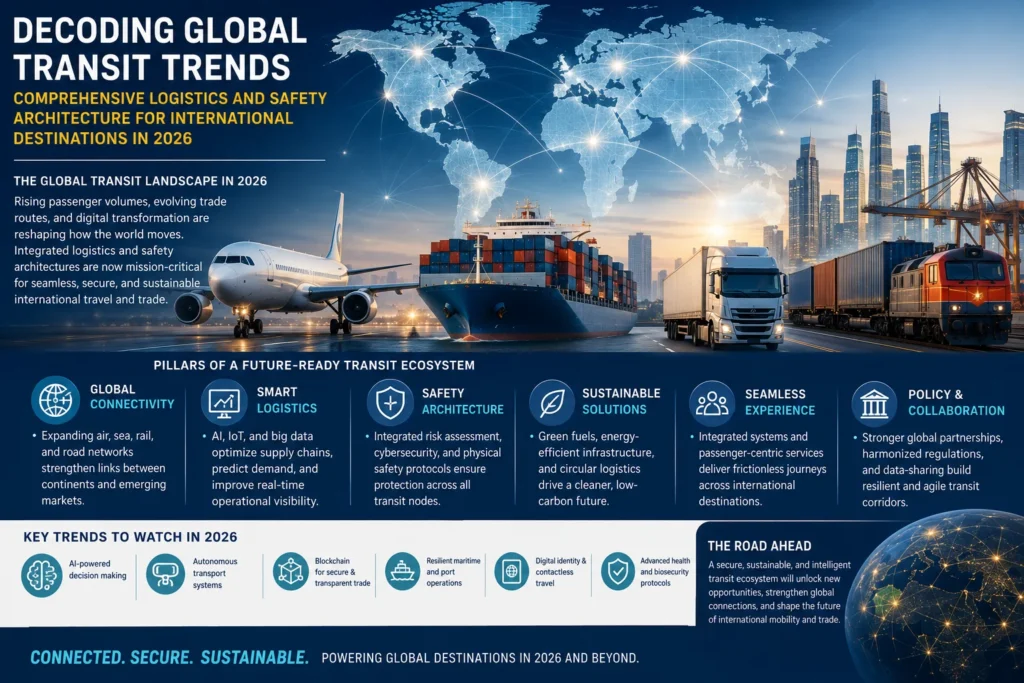
The global transportation network is experiencing a profound shift in accessibility, security protocols, and infrastructure development. While international route planning frequently emphasizes sprawling mega-hubs, an analysis of sovereign nations with concise, five-letter identifiers reveals a microcosm of the modern travel economy. Spanning from high-capacity maritime corridors to the most isolated oceanic regions, these twenty-four nations present a diverse spectrum of transit infrastructure.
For logistics coordinators, institutional planners, and international citizens, understanding the operational realities of these territories is vital. The modern travel landscape divides these unique destinations into highly visible transit hubs and specialized, low-volume entry points.
High-Capacity Global Gateways and Aviation Anchors
A significant portion of the five-letter sovereign nations function as structural pillars of international aviation and maritime commerce. Nations such as India, China, Spain, Italy, and Japan continue to invest heavily in multi-modal transport systems. These major economies are executing long-term infrastructure upgrades, including the expansion of high-speed rail corridors and next-generation airport terminals, ensuring their roles as global logistics anchors.
Concurrently, regional hubs like Chile, Egypt, Ghana, Kenya, and Malta are optimizing their domestic transit frameworks to accommodate rising international demands. Even in territories facing historical accessibility challenges, such as Haiti, Libya, Samoa, Syria, and Yemen, public works authorities prioritize the preservation of fundamental transit lifelines, although operational capacity remains subject to local conditions.
Specialized Routes and Low-Volume Destination Logistics
Beyond the primary transit networks lies a distinct tier of five-letter nations defined by unique environmental factors, highly specialized tourism models, or strict regulatory oversight. Data compiled from official ministerial declarations and regional tourism bureaus highlights the varied transport landscapes across these territories, offering a clear view of their demographic scales and entry metrics.
Aruba, located within the Caribbean basin, utilizes Dutch and Papiamento as its official languages. Home to a resident population of approximately 108,000 citizens, this island infrastructure successfully managed an impressive 1.4 million visitor arrivals based on comprehensive annual tallies. This high-density transit model stands in stark contrast to continental entry points like Benin in West Africa. With a population exceeding 14 million, Benin relies on French as its primary language of administration, though international travel advisories note specific high-risk zones near its borders.
Further south, Gabon supports a population of roughly 2,489,000 and records over 370,000 annual visitor arrivals. The nation has successfully positioned its transport network to feed into dedicated eco-tourism initiatives. Conversely, the Pacific micro-state of Nauru stands as one of the most logistically isolated environments on Earth. Inhabited by 12,300 residents who speak Nauruan and English, this third-smallest sovereign nation registers only a few hundred international arrivals per year due to strict transport limitations.
In East Africa, Niger presents a vast territorial expanse with a population of more than 27 million. However, sovereign safety declarations advise strongly against non-essential entry due to regional instability. Similarly, Sudan, with a population approaching 49 million, remains under critical travel warnings stemming from severe internal conflicts that began in 2023, which directly impact the viability of its civil aviation infrastructure.
In contrast, the Pacific island groups of Palau and Tonga demonstrate resilient maritime and aviation models. Palau, with 17,600 residents, recorded more than 50,000 arrivals, marking a steady trajectory toward high-value, low-impact adventure travel. Tonga, supporting a population of nearly 100,000, maintains a steady influx of over 100,000 annual arrivals, supported by reliable regional airline partnerships.
Operational Guidelines for Island and Continental Transit
Navigating these distinct sovereign territories requires strict adherence to international transit regulations and local infrastructure realities. For the Caribbean and Pacific island networks, maritime integration represents a core component of visitor movement. In Aruba, large-scale cruise operators work in direct synchronization with port authorities. Travelers are encouraged to utilize pre-verified transit excursions to maintain structural efficiency between deep-water ports and protected inland environments.
For remote access points like Nauru, transit relies entirely on specific regional aviation schedules. Because flight frequencies are limited, civil aviation ministries require validation of seat allocations via official government portals prior to departure. In Palau, where international arrivals concentrate heavily around Koror Island, localized water charters serve as the exclusive means of accessing the broader archipelago.
Continental transit across African nations necessitates a heavy emphasis on safety protocols and environmental adaptation. In jurisdictions experiencing localized volatility, consulting up-to-date diplomatic notices from ministries of foreign affairs is mandatory before organizing domestic travel. In eco-tourism networks like Gabon, accessing protected national parks demands specialized four-by-four transport and pre-approved environmental permits issued by the ministry of forestry. For areas impacted by systemic instability, international financial sanctions may restrict standard electronic banking transactions, requiring advanced coordination for all essential logistical costs.
Modern Border Control and Customs Integration
Fulfilling international customs mandates remains a foundational requirement across all twenty-four nations. Passports must maintain a minimum validity period of six months beyond the intended period of stay. For individuals organizing travel through European five-letter states like Spain, Italy, or Malta, close monitoring of updated digital authorization frameworks is essential for streamlined border processing.
Language alignment also impacts transit efficiency; in francophone nations such as Benin, Gabon, and Niger, the utilization of certified translation tools or professional guides is highly recommended when navigating provincial transport terminals. By balancing strict compliance with official security advisories and recognizing the infrastructural limits of remote destinations, international travelers can effectively master these unique global pathways.
For more travel news like this, keep reading Global Travel Wire