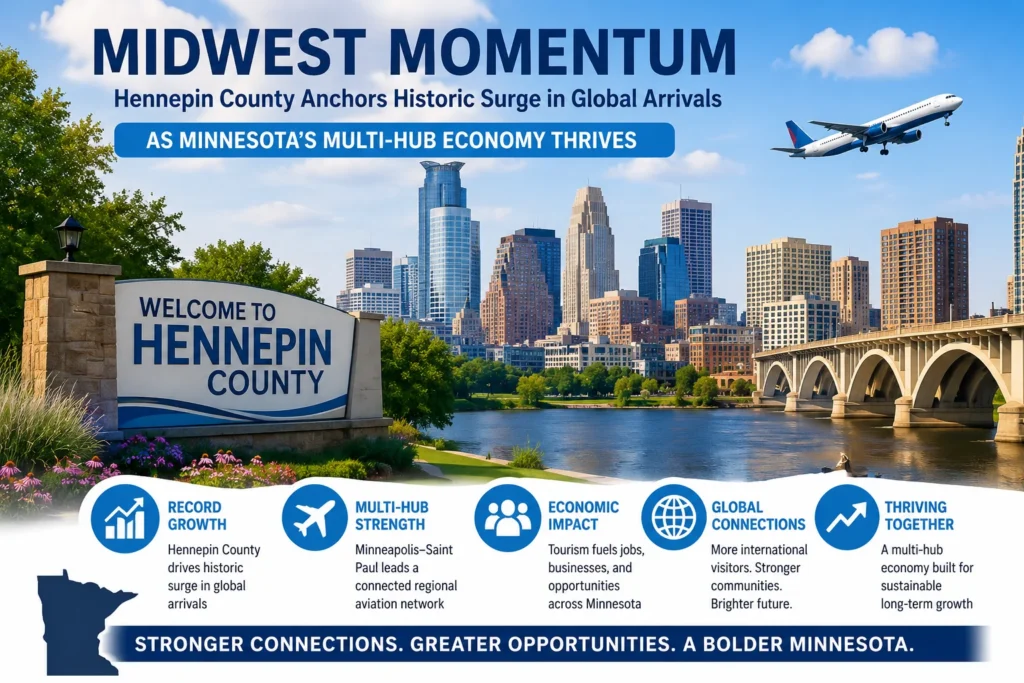
The landscape of Midwestern travel is experiencing an unprecedented transformation during the 2026 travel season. Data released by public tourism boards and official economic agencies indicates that a massive influx of international travelers is reshaping the region. At the forefront of this growth is Hennepin County, which has solidified its position as the engine of the state’s visitor economy.
Rather than relying on a single metropolitan hotspot, the regional strategy has successfully distributed visitors across a specialized network of counties. This approach pairs high-volume retail hubs with world-class medical facilities and pristine wilderness corridors, creating a resilient, year-round tourism ecosystem.
International Markets Fueling Commercial and Leisure Growth
Official arrival metrics reveal a profound rise in international arrivals, particularly from Canada, the United Kingdom, and Germany. This traditional core is increasingly supplemented by rapidly growing emerging travel markets, including India, Mexico, and Scandinavia. Hennepin County, home to Minneapolis–Saint Paul International Airport, serves as the primary strategic gateway for these global travelers.
The commercial dominance of the county is anchored by its vast retail and entertainment infrastructure. The Mall of America remains a paramount economic driver, drawing millions of international and domestic shoppers annually. The facility’s unique combination of high-density retail, extensive dining, and integrated indoor entertainment venues makes it a primary destination for travelers arriving from neighboring states and overseas. Beyond shopping, the urban core leverages a robust network of business conventions, performing arts centers, and the scenic Chain of Lakes to maintain consistent visitor volume throughout the seasons.
Specialized Tourism Corridors Across the State
While the metropolitan center manages massive commercial traffic, surrounding counties have developed distinct, high-value travel sectors.
Olmsted County maintains a distinct position in the global travel market, driven almost exclusively by the Mayo Clinic in Rochester. This specialization creates a highly resilient medical tourism profile. Unlike leisure travel, which fluctuates based on seasonal weather or discretionary spending trends, medical travel brings high-value visitors from the United Kingdom, India, and the Middle East who require specialized healthcare services. These visitors often engage in extended stays, creating sustained demand for regional hospitality, extended-stay lodging, and specialized transport services.
Simultaneously, the northern expanse of the state captures the growing global demand for eco-tourism and adventure travel. St. Louis County and Cook County form a vital outdoor corridor that relies heavily on proximity to the Canadian border. The city of Duluth, Canal Park, and the vast shores of Lake Superior serve as focal points for Great Lakes cruise ships and nature enthusiasts. Further north, Grand Marais and the Boundary Waters Canoe Area Wilderness attract dedicated wilderness campers and hikers from Germany and Canada, showcasing the state’s capacity to pivot seamlessly from dense urban environments to isolated natural sanctuaries.
Essential Logistics and International Travel Rights
With the influx of global arrivals reaching historic highs at Minneapolis–Saint Paul International Airport, aviation and transit authorities emphasize the importance of understanding visitor rights and regional logistics.
International passengers arriving from the United Kingdom or the European Union benefit from robust consumer protection frameworks. Under standard UK and European aviation regulations, travelers departing from airports in these regions are entitled to structured care and potential financial compensation from airlines in the event of cancellations or flight delays exceeding three hours. Furthermore, under the international guidelines of the Montreal Convention, airlines maintain strict liability for lost, delayed, or damaged luggage on all cross-border routes, provided passengers file formal property irregularity reports within the statutory seven to twenty-one-day window.
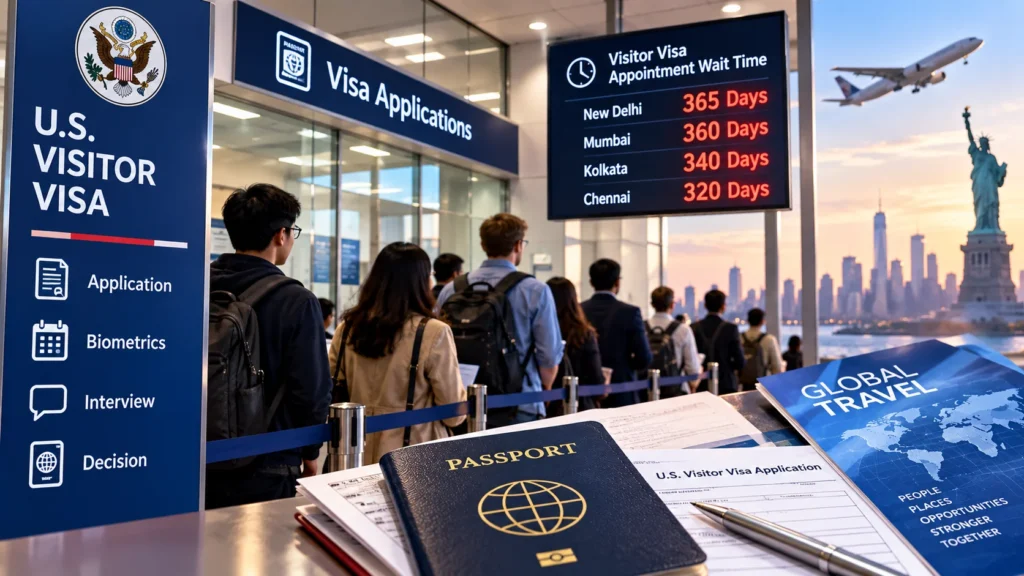
For the high volume of visitors arriving in Olmsted County for specialized healthcare, federal immigration protocols require careful navigation. International medical travelers must secure the correct visa classification, typically a standard visitor visa, and present clear documentation from the receiving medical institution alongside proof of sufficient financial means at the United States port of entry. Public health authorities strongly recommend that these visitors acquire comprehensive travel medical insurance featuring specific clauses for potential post-procedural complications, as standard international holiday policies rarely cover specialized clinical care.
Travelers opting to explore the scenic northern driving corridors through Lake, Itasca, and Cook counties must adapt to the geographic realities of the region. State transit agencies warn that cellular service can be highly intermittent along the North Shore Scenic Drive and near the Mississippi River Headwaters at Itasca State Park. Utilizing downloadable offline maps and dedicated satellite navigation hardware is crucial for safety. Additionally, visitors utilizing rental vehicles should verify that their agreements feature extended roadside assistance, as vehicle recovery and towing fees in remote wilderness border regions can be exceptionally high.
Long-Term Outlook for the Regional Economy
The current structural distribution of the visitor economy represents a highly effective diversification of regional macroeconomic risk. By balancing the high-volume retail density of the metropolitan core with the specialized, non-discretionary demand of medical networks and the seasonal appeal of outdoor adventure corridors, the region has insulated itself against sudden market shifts.
The sustained interest from global markets demonstrates that the strategy of promoting multi-hub travel experiences successfully elevates the entire region on the international stage, securing its status as a premier North American destination.
For more travel news like this, keep reading Global Travel Wire