The Mediterranean cruise landscape is undergoing its most significant evolution in decades. As travelers increasingly seek meaningful journeys that respect the destinations they visit, the maritime industry is shifting away from traditional high-impact models. Leading this transformation in the 2026 sailing season is a concerted effort to merge resort-style passenger luxury with rigorous environmental engineering and authentic community integration.
At the heart of this movement is a commitment to preserving the fragile ecosystems and historic architecture of Europe’s most iconic coastlines. By deploying advanced environmental technologies and rethinking shore-side tourism, operators are proving that high-volume travel can coexist harmoniously with local communities.
The Dawn of Clean Port Technology in European Waters
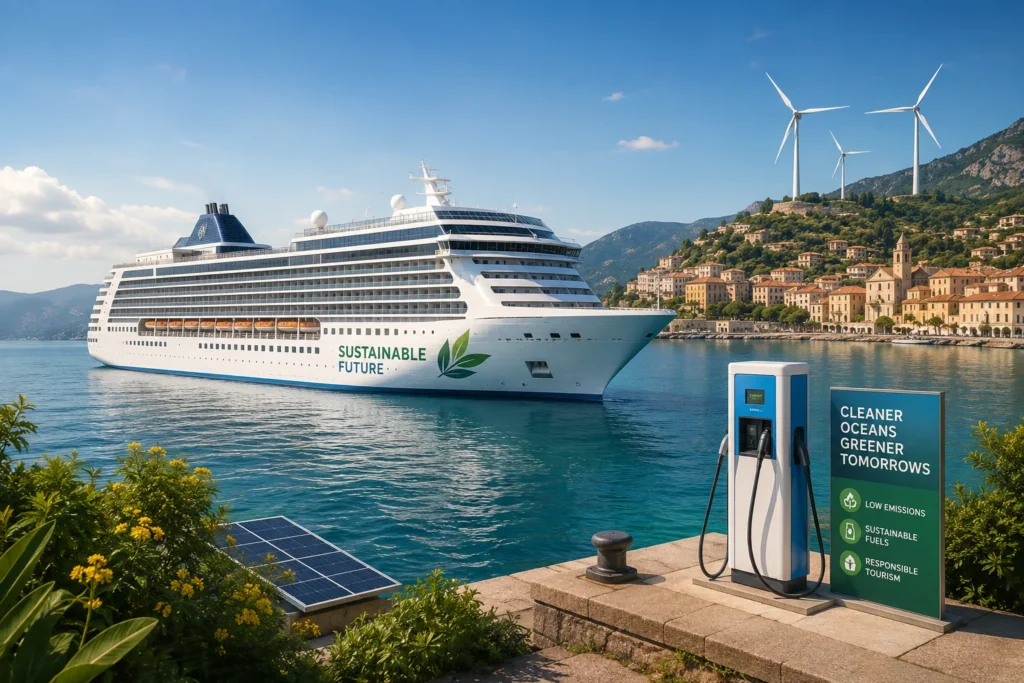
For years, the environmental footprint of large vessels docked near historic city centers has been a point of discussion for urban planners and coastal residents alike. The response from the maritime sector has been a rapid acceleration in the adoption of clean energy solutions. Central to the strategy for the current sailing season is the widespread deployment of vessels powered by Liquefied Natural Gas, which significantly cuts greenhouse gas emissions and virtually eliminates sulfur oxides and particulate matter.
Beyond cleaner fuel alternatives, the integration of shore-power connectivity represents a massive leap forward for port city air quality. When modern ships dock in major maritime hubs such as Barcelona, Spain, or Genoa, Italy, they no longer need to run their diesel engines to power onboard operations. Instead, they plug directly into the local municipal electrical grid. This process completely shuts down shipboard emissions while in port, drastically reducing the visual and environmental impact of maritime tourism on local populations.
Protecting Marine Ecosystems and Revitalizing Local Economies
The commitment to sustainability extends far below the waterline. Modern hulls are now engineered with specialized anti-fouling coatings that reduce drag, thereby minimizing fuel consumption. Inside the ships, advanced wastewater purification systems treat black and grey water to stringent standards before any discharge is considered, ensuring that the unique marine biodiversity of the Mediterranean remains protected from runoff. Additionally, smart energy grids and comprehensive LED lighting systems drastically lower the daily power demands of these floating resorts.
Simultaneously, the relationship between cruise operators and local tourism boards is being completely redesigned. The traditional model of channeling thousands of visitors into a single concentrated historic plaza is giving way to decentralized, low-impact exploration.
By working closely with regional tourism authorities, operators are curating small-group excursions that intentionally bypass crowded port terminals. These programs guide travelers into the surrounding countryside and lesser-known neighborhoods, introducing them to regional agricultural farms, heritage preservation sites, and independent craft workshops. This shifting strategy ensures that tourism revenue is distributed directly to family-owned businesses and rural entrepreneurs, turning international arrivals into a direct economic benefit for the host country.
Strategic Fleet Profiles and Environmental Capabilities
The diverse fleet operating across European and international waters showcases distinct technological profiles tailored to specific geographic demands.
World Class Ships focus heavily on the Mediterranean and Caribbean circuits, serving as multi-generational hubs featuring diverse specialty dining. Their environmental profile relies primarily on LNG propulsion and comprehensive shore-power connectivity to protect dense coastal populations.
Meraviglia Class vessels frequently service Northern Europe and the Caribbean, offering expansive wellness centers and covered indoor promenades. These ships utilize advanced wastewater purification systems to safeguard sensitive northern marine ecosystems.
Seaside Class ships are optimized for the warmer climates of the Caribbean and South America, boasting wide outdoor boardwalks and ocean-facing suites. Their green footprint includes high-efficiency hull designs and smart-managed LED systems to reduce total energy loads.
Lirica Class vessels navigate the tighter waterways of the Adriatic and Eastern Mediterranean. Known for intimate dining and cultural lectures, these ships are retrofitted with advanced exhaust gas cleaning systems to meet strict regional emission controls.
Insider Tips for the Conscious Mediterranean Traveler
To maximize the cultural and environmental value of a European voyage, savvy travelers can adopt simple, impactful habits that enrich their journey while respecting local hosts.
Choosing off-peak travel windows is one of the most effective ways to reduce pressure on historic infrastructure. Booking a cruise during the shoulder months of April, May, or October offers comfortable sightseeing temperatures, significantly shorter lines at major museums, and more favorable booking rates. More importantly, it helps provide steady, year-round income for local merchants rather than overwhelming them during a brief summer rush.
Practicing mindful cultural etiquette ensures smooth interactions during shore excursions. When exploring historical cathedrals, ancient ruins, or religious sites across Italy and Greece, visitors should ensure their shoulders and knees are covered out of respect for local traditions. Paying close attention to photography restrictions inside historic venues also helps preserve delicate artworks for future generations.
Experiencing authentic culinary traditions requires stepping away from the immediate harbor zone. During port stops in Sicily, skipping the heavily commercialized terminal plazas in favor of neighborhood bakeries allows travelers to sample genuine, handmade arancini and fresh cannoli prepared using multi-generational recipes.
Discovering under-the-radar spots provides a peaceful alternative to traditional sightseeing. When docking in Marseille, bypassing the standard commercial tour buses allows visitors to board a local water shuttle heading toward the secluded fishing cove of Vallon des Auffes. This charming harbor offers an authentic, quiet atmosphere perfect for a relaxed seaside lunch away from the urban bustle.
The Long-Term Outlook for Mediterranean Tourism
The future of maritime travel relies entirely on the development of symbiotic partnerships between global cruise brands and regional destinations. As historic European cities implement stricter visitor limits and robust environmental mandates, the cruise lines that proactively invest in clean technology and community-centric shore excursions will naturally lead the global travel market.
Integrating regional transit assets and investing in the preservation of local heritage sites transforms cruise operations into a powerful mechanism for sustainable destination development. This balanced approach guarantees the long-term protection of fragile coastal ecosystems while ensuring that local communities continue to welcome, and thrive from, international maritime tourism.
For more travel news like this, keep reading Global Travel Wire