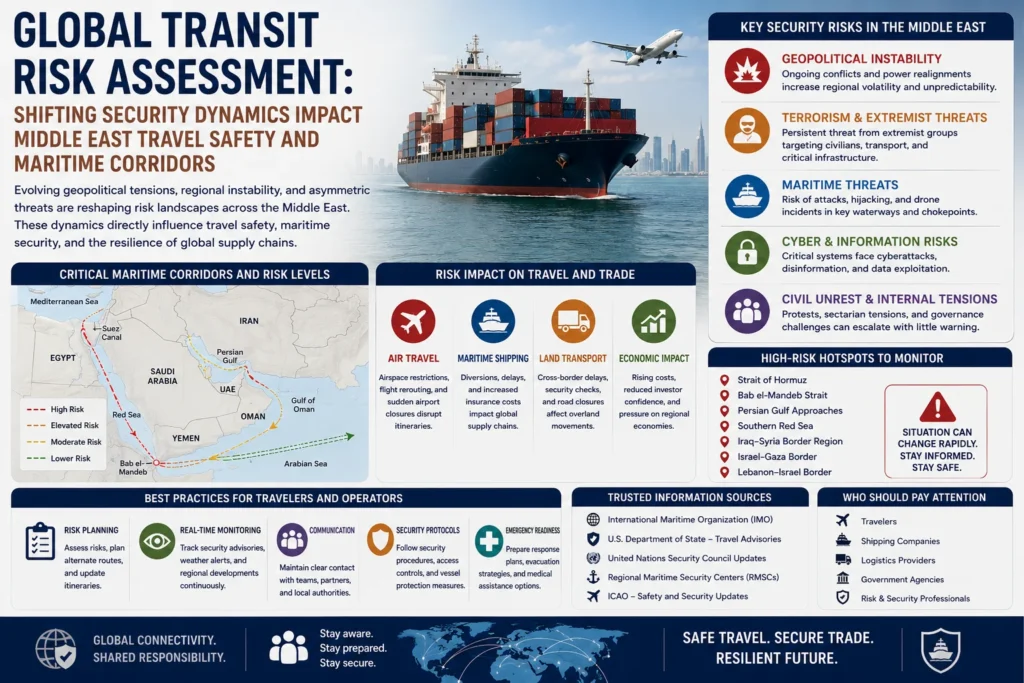
Global transportation networks and international travel corridors are experiencing severe operational adjustments following a major escalation in regional security events across the Persian Gulf and broader Levant. According to initial advisories released by international maritime monitoring agencies and national transport ministries, commercial transit patterns have altered dramatically over the past 48 hours. A profound contraction in commercial shipping volumes has been verified through the Strait of Hormuz, a critical global choke point for both maritime trade and regional cruise shipping lines.
Government logistics sectors report that active defense engagements have directly affected civilian and commercial transport infrastructure across multiple nations. As state ministries issue updated security notices, international airlines and maritime transport corporations are actively restructuring their routing matrices to bypass volatile sectors, fundamentally shifting the baseline parameters for commercial travel throughout the region.
Significant Reductions in Strait of Hormuz Maritime Transit and Port Infrastructure Security
Official data tracking regional vessel tracking logs reveals a dramatic and immediate drop in the volume of commercial hulls attempting transit through the Strait of Hormuz. Maritime transport bureaus indicate that heightened kinetic activity, including localized air and missile strikes, has forced international commercial fleets to execute precautionary re-routing maneuvers. The structural safety of key maritime ports remains under continuous evaluation by regional port authorities.
In southeastern Iran, official infrastructure statements from local transport departments confirmed substantial physical damage to the primary port facilities in the city of Chabahar. Verified assessments indicate that critical structural assets, including the main port control tower, sustained severe damage during recent defense actions, temporarily compromising localized maritime coordination capabilities.
Furthermore, secondary naval and commercial repair hubs along the southern coastline, particularly near Konarak, have experienced localized closures following defensive engagements. Maritime security agencies advise all independent commercial vessels and international transport groups to maintain an expanded stand-off distance from the Gulf of Oman and the Persian Gulf until comprehensive harbor safety clearances are officially re-established by national coast guards.
Disruptions to Domestic Rail Infrastructure and Regional Aviation Logistics
The current security environment has also severely impacted land-based tourism infrastructure and domestic civilian transit networks. According to official announcements published by national transportation ministries, vital rail links and bridge structures connecting primary urban centers have sustained direct physical damage.
Key infrastructure developments include:
Tehran to Mashhad Railway Corridor: Official railway authorities confirmed the suspension of standard passenger rail services following structural damage to bridges along the eastern transport route.
Civilian Transit Halts: Municipal transport agencies have restricted inter-city highway access across five primary provinces to accommodate emergency logistics and structural safety assessments.
Aviation Corridor Dynamic Routing: Civil aviation authorities across the region have actively altered commercial airspaces, establishing temporary restricted flight zones to isolate commercial air traffic from active defense operations.
The disruption of the Tehran-Mashhad transit corridor directly coincided with a massive influx of domestic and regional travelers arriving in the eastern city of Mashhad for high-profile state funeral proceedings at the Shrine of Imam Reza. The closure of these domestic transit lines has created significant localized logistics backlogs, stranding civilian travelers and placing immense strain on regional hospitality networks.
Gulf Cooperation Council Sovereign Security Warnings and Emergency Advisories
In response to the rapid spread of kinetic engagements, sovereign nations across the Gulf Cooperation Council (GCC) have activated high-level emergency response protocols and updated their official travel risk metrics. Civil defense ministries in Kuwait, Bahrain, and Qatar have issued coordinated public safety updates to guide foreign nationals and resident expatriates currently within their borders.
The state ministry of Kuwait confirmed the implementation of active air defense protocols to intercept unmanned aerial vehicles and missile systems entering sovereign airspace, advising residents to restrict non-essential local travel during nocturnal hours. Concurrently, public security bureaus in Bahrain’s capital city of Manama reported localized emergency responses following regional explosions, prompts authorities to enforce heightened security perimeters around international hotels, diplomatic enclaves, and transport terminals.
In Qatar, civil defense agencies issued an immediate national security alert, updating municipal emergency guidelines and reinforcing security personnel at major transport hubs, including international aviation gateways. Government travel advisories strongly recommend that all international tourists register their presence with their respective domestic consular offices and closely monitor real-time updates from local ministries of interior to ensure personal safety during fluid regional transitions.
Comprehensive Travel Precautionary Frameworks and Long-Term Outlook
As international transport networks adapt to these severe operational challenges, global travel insurance providers are adjusting their coverage parameters for the affected geographic zones. Financial regulatory bodies remind travelers that standard trip cancellation policies may face active limitations under active regional emergency declarations, making the acquisition of specialized security and evacuation coverage essential for all necessary personnel operating within the region.
National health and emergency services ministries across the affected zones report varying levels of civilian casualties, with local medical infrastructure in high-impact provinces operating under emergency triage protocols. International tourism organizations advise all prospective travelers to indefinitely postpone non-essential leisure itineraries throughout the immediate geographic matrix until comprehensive civilian security guarantees are officially reinstated by regional defense ministries and civil aviation authorities.
For more travel news like this, keep reading Global Travel Wire