The Bahamian archipelago is anchoring a major shift in international cruise travel as the 2026 sailing season highlights the dominance of highly managed coastal enclaves. Data from the Bahamas Ministry of Tourism, Investments & Aviation underscores this momentum, revealing that overall visitor arrivals surged past historic benchmarks, with sea travelers driving the overwhelming majority of this growth. At the core of this historic expansion is the strategic evolution of private island properties.
These exclusive maritime sanctuaries have successfully shifted the landscape of family vacations. By combining meticulous ecological stewardship with centralized resort infrastructure, cruise operators are delivering highly structured, predictable, and stress-free island encounters that satisfy the demands of multi-generational travelers.
The Transformation of Exclusive Coastal Enclaves
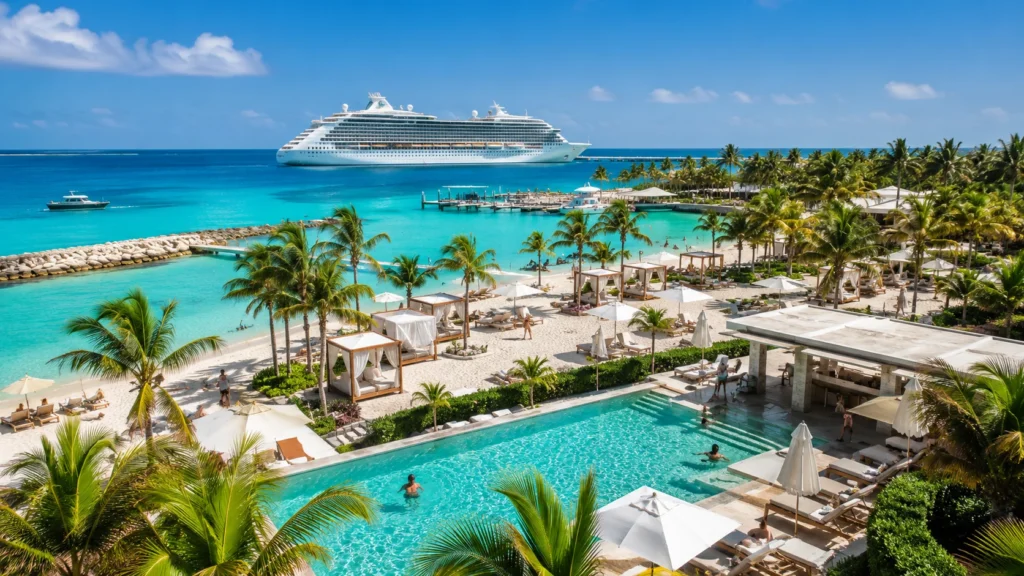
The current trajectory of Bahamas cruise tourism marks a clean break from the basic beach stopovers of previous decades. Historic properties like Castaway Cay have transitioned into advanced, self-contained eco-resorts. These managed destinations are designed to function as seamless extensions of the shipboard experience, featuring comprehensive assets such as open-air pavilions, interactive youth clubs, expansive water parks, and isolated, adult-only beachfront retreats.
The massive appeal of this operational model rests primarily on budget predictability and ease of access. Rather than requiring passengers to navigate variable a la carte pricing for shore activities, the private island framework integrates tram transportation, essential beach gear, standard buffet dining, and supervised children’s recreation programs directly into the base cruise fare. This structure provides families with a clear window into their total vacation costs before leaving port.
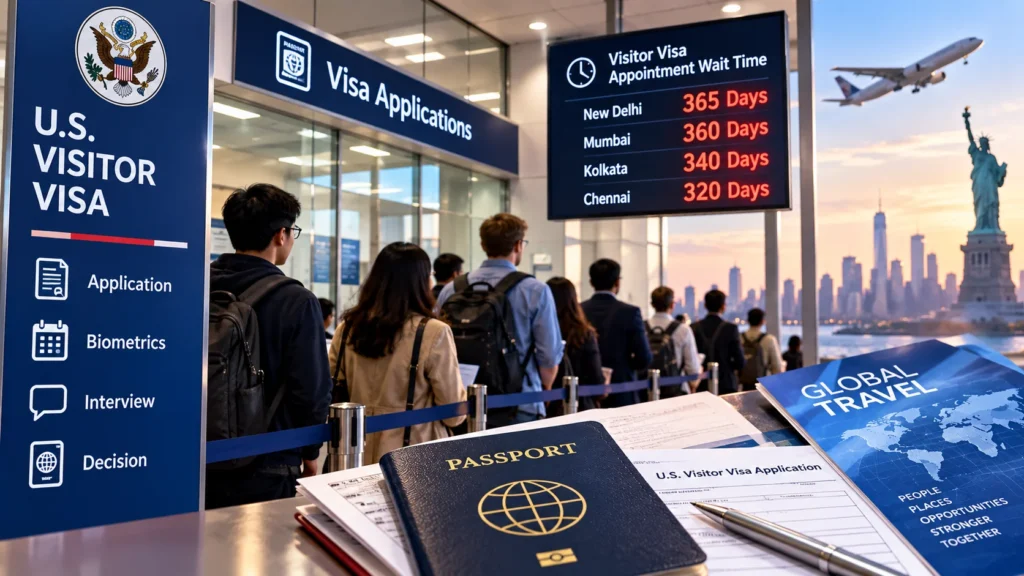
To maintain strict compliance with international border protocols, the Bahamas Ministry of Tourism mandates that all arriving cruise passengers verify active passport credentials and complete mandatory electronic entry clearings prior to embarkation, ensuring smooth processing at these private entry points.
Workforce Development and Marine Ecosystem Management
While private island destinations offer a distinct, controlled environment separate from traditional public municipal ports, their economic and ecological integration into the wider Commonwealth of The Bahamas is substantial. According to official budget statements from the Bahamian government, the cruise sector serves as a principal engine for local workforce development. Hundreds of Bahamian citizens are employed directly on these private enclaves, managing critical sectors including professional hospitality, maritime recreation, retail services, and logistical operations.
Simultaneously, environmental protection agencies work in direct coordination with resort engineers to integrate advanced sustainability practices across these fragile ecosystems. Under the oversight of the Bahamas Ministry of the Environment, operators are installing expansive solar energy arrays and high-efficiency shore-power grids to minimize reliance on fossil fuels.
Furthermore, strict adherence to local conservation laws guarantees the active preservation of native sea turtle nesting sites along the outer beaches. On-site marine specialists also oversee comprehensive coral reef restoration initiatives, utilizing specialized nurseries to rebuild vulnerable reef structures that help protect the low-lying islands from coastal erosion and storm surges.
Strategic Operational Outlook for the Cruise Sector
The immense popularity of these managed properties is prompting leading maritime brands to rapidly expand their footprints across the Bahamian outer islands. Public development reports indicate that major international lines are heavily investing in new private ports and expanding existing resort infrastructures for the 2026 season. These next-generation installations are engineering zero-waste-to-landfill protocols and integrating advanced wastewater treatment systems that purify grey and black water to strict environmental standards before any discharge is considered.
The long-term resilience of the region’s travel sector relies explicitly on balancing high-volume arrival capacities with the rigid biological limits of these delicate coral keys. As international travel regulations tighten, cruise operators prioritizing self-contained clean energy grids and localized community employment initiatives will continue to dictate global market trends.
Insider Strategies for the Conscious Bahamian Traveler
To secure the highest value and cultural appreciation from a private island itinerary, destination specialists recommend implementing several deliberate travel strategies.
Timing the journey during distinct off-peak windows provides a dramatically enhanced experience. Booking a cruise scheduled to arrive between late April and early June allows travelers to take advantage of ideal tropical weather conditions and calm ocean currents before the onset of the peak summer family rush. This window also ensures a less crowded environment at popular island amenities, maximizing personal space along the shoreline.
Practicing authentic cultural etiquette fosters mutually respectful connections with local hosts. Bahamian society places a high value on traditional, courteous verbal greetings. Taking a brief moment to extend a warm “Good morning” or “Good afternoon” to the island’s hospitality and security personnel goes a long way in establishing immediate rapport and demonstrating genuine respect for the local workforce.
Exploring authentic regional flavors requires looking beyond the standardized, mass-market barbecue spreads provided at the main dining pavilions. Visitors are encouraged to seek out specialized perimeter kiosks to sample traditional Bahamian hot sauces, native citrus infusions, and tropical fruit preparations that reflect the authentic culinary heritage of the Out Islands.
Finally, uncovering under-the-radar natural spots offers an excellent escape from dense beach crowds. Renting a bicycle allows travelers to easily navigate the paved interior pathways that wind through the island’s natural pine forests. These interior trails lead directly to elevated observation towers, providing quiet panoramic views of the unique coastal landscape far removed from the primary sound zones of the central resort.
For more travel news like this, keep reading Global Travel Wire