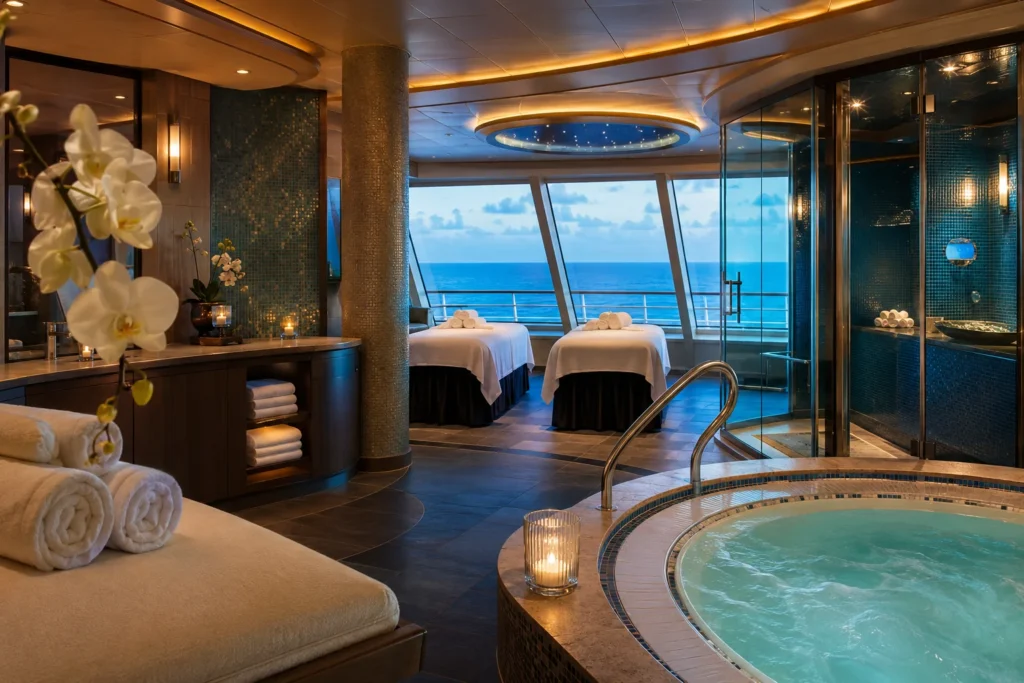
The global cruise sector has experienced a massive resurgence, transforming onboard wellness from a simple amenity into a central pillars of the modern vacation experience. State-of-the-art thermal suites, snow grottos, and ocean-view treatment rooms are prominently featured in promotional materials worldwide. However, beneath the tranquil surface of these floating sanctuaries lies a highly sophisticated revenue engine that is increasingly drawing scrutiny from passengers and industry analysts alike.
Recent updates from major maritime hospitality networks indicate that while the physical quality of shipboard treatments remains exceptionally high, a growing number of international travelers are voicing concerns over post-treatment sales practices. The delicate balance between providing authentic relaxation and meeting corporate financial targets has become a central point of discussion within the marine tourism sector.
The Economic Architecture of Wellness at Sea
To understand the operational dynamics of a cruise ship spa, one must look at the underlying economic model governing modern maritime hospitality. Official financial disclosures and annual reports from listed cruise corporations highlight that “onboard revenue”—which includes retail, specialty dining, excursions, and wellness services—is critical to maintaining profitability and offsetting capital expenditures on new vessel construction.
On many major cruise lines, health and beauty centers are not managed directly by the ship’s crew. Instead, they are operated by specialized, third-party global concessionaires through intricate multi-year agreements. These concessionaires pay substantial fees for the exclusive right to operate onboard. To remain viable during relatively brief itineraries, their business models rely heavily on a dual-income stream: upfront service fees combined with high-margin retail product sales.
According to institutional data tracking cruise line performance, onboard spending per passenger has grown steadily over the past few years. Wellness centers have emerged as particularly lucrative spaces, allowing operators to capitalize on the multi-billion-dollar global health trend. However, market analysts note that this structure places unique performance expectations on shipboard staff, who must act simultaneously as therapeutic practitioners and retail sales representatives.
Navigating the Upsell Culture
Public passenger feedback gathered by international tourism monitoring groups indicates that the primary source of friction occurs during the final minutes of a scheduled session. Travelers frequently report that an otherwise flawless massage or facial often concludes with a structured lifestyle assessment. This transition frequently leads to recommendations for premium skincare regimens, dietary supplements, or detoxifying oils.
In many instances, the projected cost of these recommended retail bundles can equal or exceed the base price of the initial therapy. Tourism behavior studies suggest that the setting in which these recommendations occur—when a guest is in a deeply relaxed state—can inadvertently amplify feelings of social pressure, leading to transactional friction that detracts from the overall vacation experience.
In response to these trends, consumer advocacy divisions within various regional tourism boards have noted a shift in how veteran travelers approach onboard wellness. Rather than booking traditional one-on-one appointments, an increasing percentage of frequent cruisers are opting for self-guided thermal suite passes. These passes grant all-day access to hydrotherapy pools, steam rooms, and saunas without triggering the personalized consultation sessions that typically precede retail pitches.
Furthermore, public port authority data indicates that spa utilization rates fluctuate significantly depending on the ship’s itinerary. Savvy travelers frequently defer their bookings to port days, taking advantage of mid-week operational discounts officially publicized by ship coordinators to fill treatment calendars while the majority of guests are ashore.
Balancing Revenue with the Guest Experience
As cruise lines debut next-generation vessels equipped with sprawling, multi-deck wellness complexes and dedicated spa-category cabins, the industry is closely evaluating guest satisfaction metrics. Internal tourism board releases suggest that customer retention and positive word-of-mouth remain the most valuable metrics for long-term growth in the competitive cruise market.
Some progressive operators are beginning to pilot alternative operational strategies. Forward-thinking wellness directors are exploring models that emphasize transparent pricing structures and clear opt-out checkboxes on digital pre-cruise check-in forms. By allowing passengers to state their preference regarding product recommendations prior to embarkation, lines can better align guest expectations with the reality of the onboard environment.
Ultimately, the consensus among global tourism researchers is that the cruise ship spa market will continue to expand rapidly. The challenge moving forward will be structural: transforming the retail transition into an educational, low-pressure exchange that respects the passenger’s desire for tranquility while supporting the economic realities of maritime operations. For the modern cruise traveler, selecting the right wellness experience is increasingly becoming a matter of understanding these operational dynamics before stepping foot in the treatment room.
For more travel news like this, keep reading Global Travel Wire