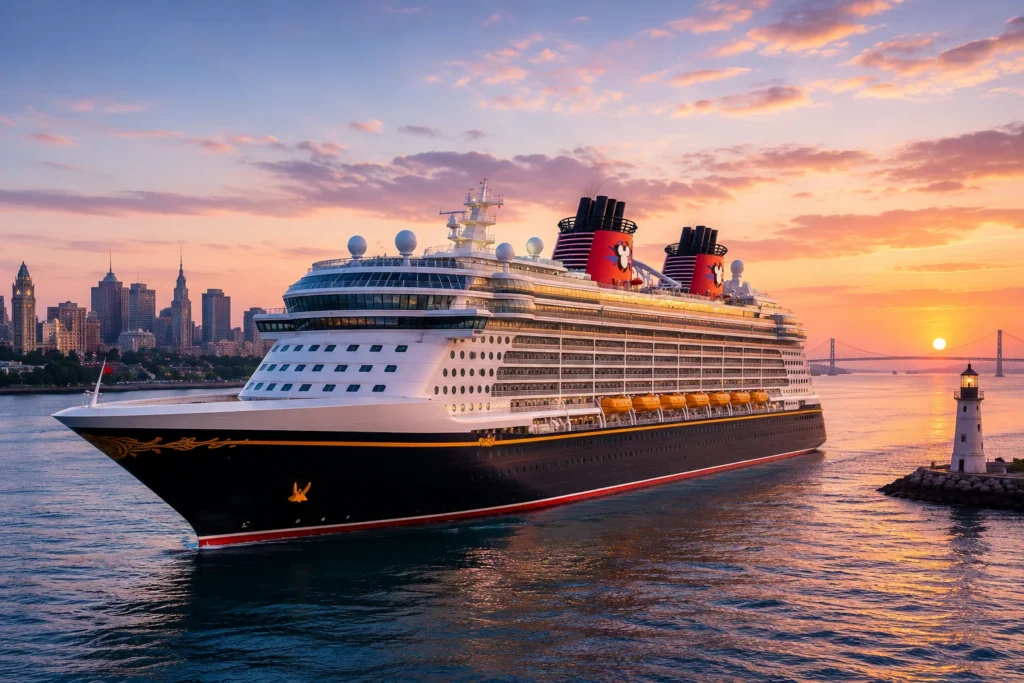
The global maritime tourism market has experienced unprecedented growth, with international cruise passenger volumes projected to reach dynamic historical highs. Amid this broader industry expansion, market observers and family travel researchers are turning their attention to regional homeport strategies across North America. In particular, structural cues within official maritime planning pipelines and public digital assets have renewed conversations regarding the future footprint of major family-oriented vacation brands in the Northeast.
Historically, the metropolitan New York region has served as a highly attractive secondary hub for seasonal passenger vessel operations. Port authority records show that early operational expansions successfully tested the market with limited seasonal itineraries designed to cater to fly-in and drive-in demographics alike. While direct regional departures were absent from recent fleet-wide deployments, recent administrative shifts and broader industrial capacity indicators suggest that the regional market remains a vital piece of long-term strategic planning.
Evaluating Infrastructure Readiness and Digital Footprints
For major international cruise operators, the maintenance of regional digital infrastructure often serves as an early indicator of future commercial interest. Tourism monitoring groups note that while immediate bookings remain heavily focused on traditional hubs in the southeastern United States, Europe, and rapidly growing Asian markets, specific regional landing platforms continue to be maintained and updated with modern navigational systems and refreshed asset management guidelines.
From an operational standpoint, maintaining digital web architectures for non-active homeports represents a deliberate allocation of technical resources. Tourism distribution data suggests that corporate systems often maintain these structures to facilitate rapid deployment when fleet capacities shift or when seasonal repositioning windows open up in corporate schedules.
Beyond digital frameworks, regional consumer outreach metrics provide additional insight into long-term infrastructure modeling. Public feedback frameworks highlight that targeted regional research initiatives continue to monitor traveler preferences regarding itineraries originating from major mid-Atlantic and northeastern transit hubs. These statistical evaluations focus on assessing multi-generational demand for short-duration coastal voyages and traditional island routes, ensuring that operations can be backed by verified consumer intent data before formal regulatory filings occur.
Fleet Expansion Metrics and Port Capacity Realities
The potential diversification of homeports is deeply intertwined with the physical expansion of global passenger fleets. Official registry data indicates that major family cruise operators are currently engaged in extensive multi-ship construction programs, with several next-generation mega-vessels scheduled to enter international service over the coming seasons.
As global fleet capacities expand, major cruise lines face the logistical necessity of identifying new operational hubs to prevent port congestion at traditional terminals. The Caribbean and Bahamian markets remain highly sought-after destinations, accounting for a vast majority of North American cruise passenger volume, yet regional constraints at primary Southern ports are prompting operators to look northward.
Public port facility assessments reveal that the infrastructure of the Northeast—characterized by robust international aviation connections and extensive local drive-to markets—is uniquely positioned to absorb additional seasonal vessel capacity. Historically, short-run regional itineraries provide strong economic yields because they eliminate the logistical friction of domestic air travel for large family groups residing in dense metropolitan corridors.
The Logistics of Shoulder-Season Deployments
A review of approved international sailing schedules demonstrates that the modern cruise industry relies heavily on seasonal fluidity. Passenger ships frequently transition between European summer programs and Caribbean winter operations. These transitional windows create distinct operational gaps where vessels must be deployed on short, profitable itineraries as they migrate across the Atlantic.
Maritime tracking frameworks indicate that historical regional programs utilized these exact shoulder-season windows to run brief series of voyages to the Canadian coast, New England, or mid-Atlantic island territories. Because these limited engagements require zero permanent infrastructure changes and leverage existing municipal terminal agreements, they offer high operational flexibility for expanding fleets.
International tourism statistics confirm that consumer demand for multi-generational vacation experiences is rising faster than general leisure travel segments. By positioning vessels near major population centers during transitional periods, operators can capture highly lucrative short-term demand without disruptive long-term commitments.
While formal booking engines maintain a clear focus on confirmed global hubs for the immediate operational year, the underlying logistical, digital, and infrastructural data indicates that northeastern hubs remain prominent in long-term strategic planning models. For international tourism stakeholders, monitoring these subtle institutional shifts provides a reliable blueprint for anticipating where the next major expansion of family-focused maritime tourism will take place.
For more travel news like this, keep reading Global Travel Wire