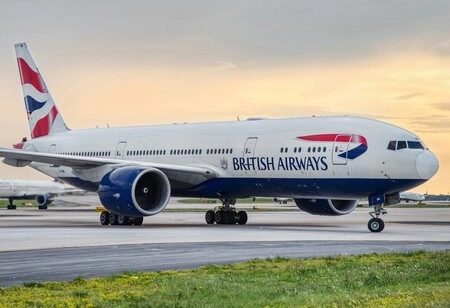
British Airways has announced major changes across its Middle East network, extending route suspensions and reducing services to several important Gulf and regional destinations.
The airline confirmed that flights between London Heathrow and Abu Dhabi will not restart until 10 January 2027. Its Heathrow-Bahrain service is now scheduled to return on 28 March 2027.
British Airways is also reducing frequencies to Dubai, Doha, Riyadh, Tel Aviv and Amman during its winter 2026 schedule. The changes will affect holidaymakers, business travellers and passengers visiting friends and relatives.
The airline said the adjustments are intended to give customers greater certainty while disruption and airspace restrictions continue across parts of the Middle East. However, every published schedule remains subject to further change.
Abu Dhabi return delayed until January 2027
The suspension of British Airways flights to Abu Dhabi will continue throughout the remainder of 2026.
Services from Heathrow are now planned to resume on 10 January 2027. Until then, passengers seeking direct travel between London and the UAE capital must consider other airlines or connecting itineraries.
The prolonged suspension could affect winter holidays, business meetings, cultural visits and passengers using Abu Dhabi as a gateway to other destinations.
Abu Dhabi has developed into a significant tourism centre through luxury hotels, beaches, museums, entertainment attractions and international events. Reduced direct connectivity from Britain may therefore create additional planning challenges during the peak winter season.
Travellers already holding tickets should rely on notifications from British Airways before changing separate hotel, transport or activity reservations.
Bahrain suspension continues until March
British Airways has also moved the planned return of its Bahrain service to 28 March 2027.
The extended suspension affects direct connectivity between London and an important Gulf business and tourism market. Bahrain attracts corporate travellers alongside visitors attending sporting events, exhibitions and cultural programmes.
Passengers may need to travel through another Gulf hub or use alternative airlines. This could increase total journey times and create additional baggage, transit or visa considerations.
Travellers using separate tickets should allow sufficient connection time because independent bookings may provide less protection when disruption affects one part of an itinerary.
Dubai and Doha frequencies reduced
Dubai will remain part of the British Airways network, although the airline is reducing its planned winter frequency from three daily services to two.
The two daily Dubai flights are scheduled to resume in stages on 25 October and 29 November 2026. Fewer services could reduce flexibility during school holidays, major events and the UAE’s high-demand winter tourism period.
Doha will also operate at a lower frequency. British Airways plans one daily service from 25 October instead of two. An additional service is scheduled between 1 September and 24 October.
Passengers should compare departure dates carefully because capacity and timings may differ across the transitional schedule.
Dubai and Doha are major international hubs. Reduced British Airways capacity may therefore affect travellers continuing to Asia, Africa or Australasia through separate airline arrangements.
Riyadh falls to one daily service
British Airways will reduce Riyadh flights from two daily services to one, with the revised operation planned from 1 October 2026.
The change comes as Saudi Arabia continues expanding tourism, entertainment, business events and international investment.
Riyadh is becoming an increasingly important destination for corporate travel and large-scale events. Reduced capacity could place additional pressure on preferred departure times, particularly during conferences and seasonal peaks.
Passengers with fixed business schedules may need to book earlier or consider alternative routings through other regional gateways.
Tel Aviv and Amman schedules change
British Airways will reduce Tel Aviv from two daily services to one from 25 October 2026.
The Amman route will move from daily operations to four flights each week beginning on 26 October.
Lower frequencies may affect tourism flows to Jordan, including visitors travelling to Petra, Wadi Rum, the Dead Sea and Amman’s heritage attractions.
Passengers travelling for religious tourism, family visits or organised tours should ensure that flight changes remain compatible with ground transfers and package itineraries.
Flexible options available for passengers
British Airways has introduced additional flexibility for eligible customers booked to travel to or from affected Middle East destinations through 31 October 2026.
Eligible passengers may request a full refund even when their flight is still scheduled to operate. Travellers may also move their journey to a later date on the same route or select another British Airways route without a change fee, although fare differences may apply.
These measures cover Abu Dhabi, Amman, Bahrain, Doha, Dubai, Tel Aviv, Jeddah and Riyadh under the airline’s published conditions.
Passengers should review their booking directly because eligibility depends on ticket dates, travel dates and fare conditions.
Travellers urged to monitor schedules
The latest British Airways Middle East flights update confirms that regional travel remains possible, but passengers now face fewer choices and longer suspensions on selected routes.
Travellers should monitor flight status, maintain flexible hotel arrangements and check transit requirements before departure. They should also avoid relying on older schedules because further operational adjustments remain possible.
British Airways continues contacting affected customers directly. The airline’s phased strategy suggests that capacity will return gradually rather than through a complete restoration of its former Middle East network.
For more travel news like this, keep reading Global Travel Wire