Saudi Arabia is strengthening its global tourism ambitions through a partnership with Mastercard focused on digital technology, traveller insights and data-led destination planning.
The collaboration will support the Saudi Tourism Authority as it works to attract more visitors from established and emerging international markets. Mastercard’s analytical capabilities will help tourism planners understand spending patterns, visitor preferences and the influence of major cultural and sporting events.
The initiative reflects Saudi Arabia’s wider tourism transformation under Vision 2030. The Kingdom is using technology, improved connectivity and destination investment to create more personalised journeys while expanding its position as a leading global tourism hub.
For travellers, the partnership could support better recommendations, easier discovery and tourism services designed around different interests and travel behaviours.
Data analytics strengthens tourism planning
Mastercard’s tourism intelligence tools can help authorities examine anonymised spending activity, visitor journeys and changing market trends.
These insights may show how travellers move between destinations, which experiences generate stronger demand and how major events influence spending across hotels, restaurants, attractions and retail businesses.
Tourism planners can use that information to improve international campaigns and develop products that appeal to particular visitor groups.
Travellers interested in heritage, adventure, luxury resorts, religious journeys or family holidays may receive more relevant destination information as tourism strategies become more targeted.
Data-led planning can also guide decisions about infrastructure, hotel capacity, transport services and seasonal visitor management.
This is increasingly important as Saudi Arabia prepares for more international events and continues expanding its tourism portfolio.
Digital tools improve the visitor journey
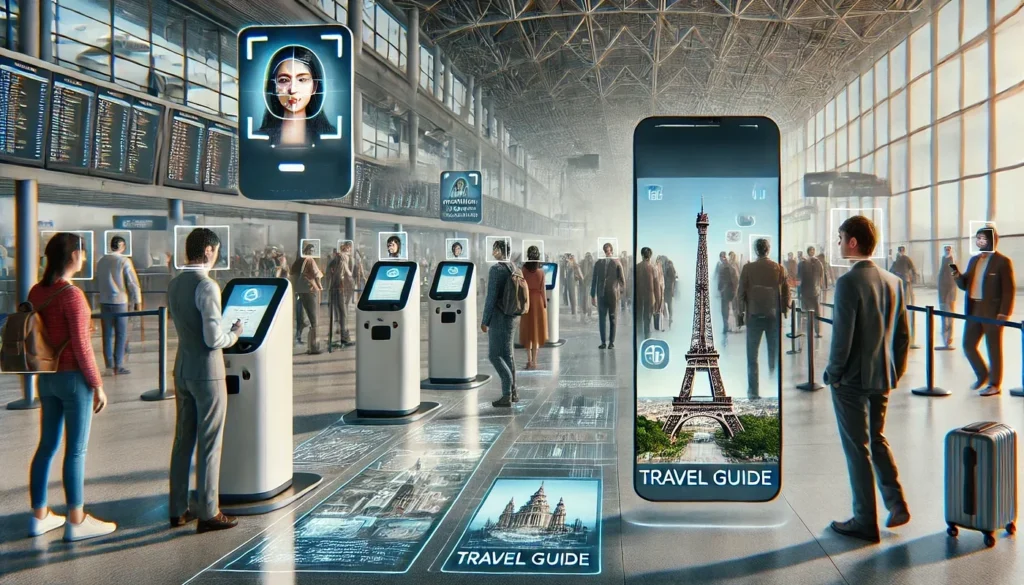
The partnership is expected to support a more connected experience before, during and after a trip.
Digital platforms can help travellers discover attractions, compare experiences and identify activities suited to their interests. Personalised recommendations may also encourage visitors to explore destinations beyond the Kingdom’s best-known locations.
Better digital engagement could make it easier to find cultural events, local businesses, accommodation options and regional tourism experiences.
Secure and convenient payment technology is another important part of modern travel. Mastercard’s experience in digital commerce could support smoother transactions across hotels, restaurants, attractions and tourism services.
For international visitors, easier payment access can reduce uncertainty and create a more seamless destination experience.
Saudi heritage reaches wider audiences
Saudi Arabia is promoting a diverse tourism offering built around cultural heritage, natural landscapes, entertainment and hospitality.
AlUla has emerged as a major cultural destination with ancient sites, desert scenery and internationally recognised events. Diriyah presents the Kingdom’s history through restored architecture and heritage experiences near Riyadh.
The Red Sea coastline is developing as a premium tourism region focused on marine environments, island resorts and nature-based travel.
Other destinations, including Aseer, Al Baha and Taif, offer mountain landscapes, cooler seasonal conditions and local cultural traditions.
Mastercard’s global experience capabilities could help introduce these destinations to travellers through tailored campaigns and digitally supported activities.
This may encourage longer stays and greater visitor spending across different regions rather than concentrating demand in a small number of tourism centres.
Major events influence travel demand
Saudi Arabia’s expanding calendar of sporting, entertainment and cultural events is becoming an important driver of international tourism.
Data analytics can help authorities understand how these events affect hotel demand, visitor movement and spending patterns.
The information may support better transport planning, destination promotion and hospitality preparation during periods of high demand.
Major competitions, festivals and exhibitions can also introduce first-time visitors to the Kingdom. Tourism campaigns can then encourage those travellers to extend their stays or return for leisure holidays.
This creates opportunities for airlines, hotels, tour operators and local businesses across the visitor economy.
Travellers gain more personalised choices
International visitors could benefit from tourism services designed around clearer information about traveller interests.
A family may receive recommendations for entertainment, museums and accessible attractions. Adventure travellers could discover hiking, diving or desert experiences.
Cultural visitors may be guided towards historical districts, traditional communities and archaeological destinations. Luxury travellers could receive information about premium resorts, dining and exclusive experiences.
Digital tools may also highlight lesser-known destinations, helping distribute visitor demand and supporting tourism businesses outside major cities.
More accurate information can help travellers build efficient itineraries and spend less time managing complicated arrangements.
Vision 2030 drives tourism expansion
Tourism has become a central pillar of Saudi Arabia’s economic diversification strategy.
The Kingdom welcomed approximately 116 million domestic and international tourists in 2024 after surpassing its initial target of 100 million visitors ahead of schedule. Saudi Arabia now aims to attract 150 million tourists annually by 2030.
Investment continues across airports, aviation, hotels, attractions, destination infrastructure and digital services.
Electronic visas, expanded international air links and new tourism projects have made the country more accessible to global visitors.
The Saudi Tourism Authority is also building partnerships with travel companies, hospitality groups and technology providers to strengthen international awareness and convert growing interest into bookings.
Technology supports sustainable tourism growth
Tourism intelligence can help Saudi Arabia manage expansion more effectively.
Understanding visitor behaviour allows destinations to prepare services, allocate resources and reduce pressure on heavily visited locations.
Data may also help authorities identify opportunities to extend tourism seasons and direct travellers towards emerging destinations.
This approach can support local employment, small businesses and community participation while improving the overall visitor experience.
The Saudi Arabia Mastercard tourism partnership marks another step towards a more technology-led travel economy.
By combining tourism promotion, digital engagement and analytical insight, the Kingdom is building a visitor experience designed to be more personalised, convenient and globally competitive.
As Vision 2030 advances, digital tools are likely to play an increasingly important role in connecting travellers with Saudi Arabia’s heritage, landscapes, events and rapidly expanding hospitality sector.
For more travel news like this, keep reading Global Travel Wire