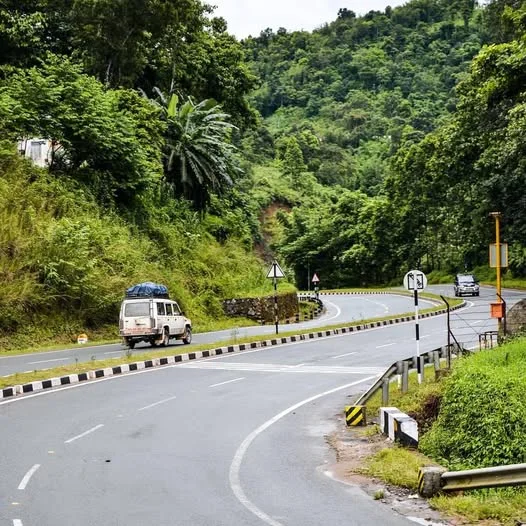
Meghalaya tourism is facing a short-term connectivity challenge as disruptions affecting travel between Guwahati and Shillong create uncertainty for visitors heading into the hill state.
The impact is primarily linked to transport and road movement rather than tourism activities within Meghalaya. Travellers planning visits to Shillong, Sohra, Dawki, Mawlynnong and other popular destinations should therefore check current road conditions and transport availability before departure.
Guwahati remains one of the most important gateways for tourists travelling to Meghalaya. Many domestic and international visitors arrive through Guwahati airport or railway station before continuing by road towards Shillong and other parts of the state.
Any disruption along this corridor can therefore affect a significant part of the visitor journey, even when hotels, attractions and tourism services inside Meghalaya continue operating.
Guwahati–Shillong link remains vital for tourism
The Guwahati–Shillong route plays an important role in supporting Meghalaya’s tourism economy. It connects travellers arriving in Assam with Shillong, which serves as a major base for exploring the wider Khasi Hills and surrounding attractions.
Transport interruptions can affect taxis, tourist vehicles and other passenger services. Visitors may experience longer journey times, changes in vehicle availability or uncertainty over departure schedules.
Travellers with confirmed hotel reservations or tour packages should remain in contact with their accommodation providers and transport operators before leaving Guwahati.
Visitors catching return flights or trains from Guwahati should also leave additional time for the journey from Meghalaya. Road delays could otherwise affect onward connections.
The importance of stronger long-term connectivity has also been recognised by authorities. The Meghalaya government has highlighted the planned four-lane Jorabat–Barapani corridor, which is intended to substantially reduce travel time between Guwahati and Shillong while strengthening tourism and regional connectivity.
Tourism attractions remain part of Meghalaya appeal
The present concern does not mean tourism activities across Meghalaya have stopped.
The state continues to attract visitors with its mountain scenery, waterfalls, forests, living cultural traditions and distinctive rural tourism experiences. Shillong remains one of Northeast India’s best-known hill destinations, while Sohra, Dawki and Mawlynnong form important parts of many visitor itineraries.
However, tourists should separate destination conditions from transportation conditions. An attraction may remain accessible locally while the journey required to reach the wider region may still face disruption.
This makes advance planning especially important for travellers entering Meghalaya through Assam.
Monsoon conditions require added caution
Visitors should also remain alert to weather-related road risks during the monsoon period.
In an official August 9 update, the Meghalaya government said the Laitlyngkot–Lynkyrdem section of the Shillong–Dawki road would reopen to vehicular traffic from August 10. However, night closure between 10:00 PM and 5:00 AM was retained.
Authorities also advised commuters to exercise caution because of the risk of landslides, rock falls and road instability during the monsoon. Non-essential travel during heavy rainfall, immediately after rain and during nighttime hours was discouraged.
The advisory is particularly relevant for tourists planning onward trips from Shillong towards Dawki and other destinations in the southern Khasi Hills.
Travellers need flexible Meghalaya itineraries
Visitors travelling in the coming days should build flexibility into their schedules.
Tourists should check road conditions shortly before departure rather than relying on information obtained several days earlier. Transport availability can change quickly when road movement is interrupted.
Hotels and local tourism operators can also help visitors understand current access conditions around major destinations.
Travellers should avoid areas affected by demonstrations, large gatherings or other disruptions and follow directions issued by local authorities. Visiting sensitive locations merely to observe ongoing situations can create unnecessary safety risks.
Keeping additional time between road journeys and flights or railway departures is also advisable.
Cancellation may not be necessary for every visitor
Travellers do not necessarily need to cancel an entire Meghalaya holiday solely because of temporary connectivity problems.
Those already inside the state may still be able to continue their itineraries if local conditions remain suitable. However, visitors with tightly scheduled journeys through Guwahati should assess the reliability of transport before proceeding.
For travellers with flexible dates, postponing departure until road movement becomes more predictable may provide a smoother experience.
The immediate challenge for Meghalaya tourism is therefore one of access rather than destination appeal. As transport conditions evolve, careful planning and regular checks will help visitors make informed decisions while the Guwahati–Shillong gateway returns to normal movement.
For more travel news like this, keep reading Global Travel Wire