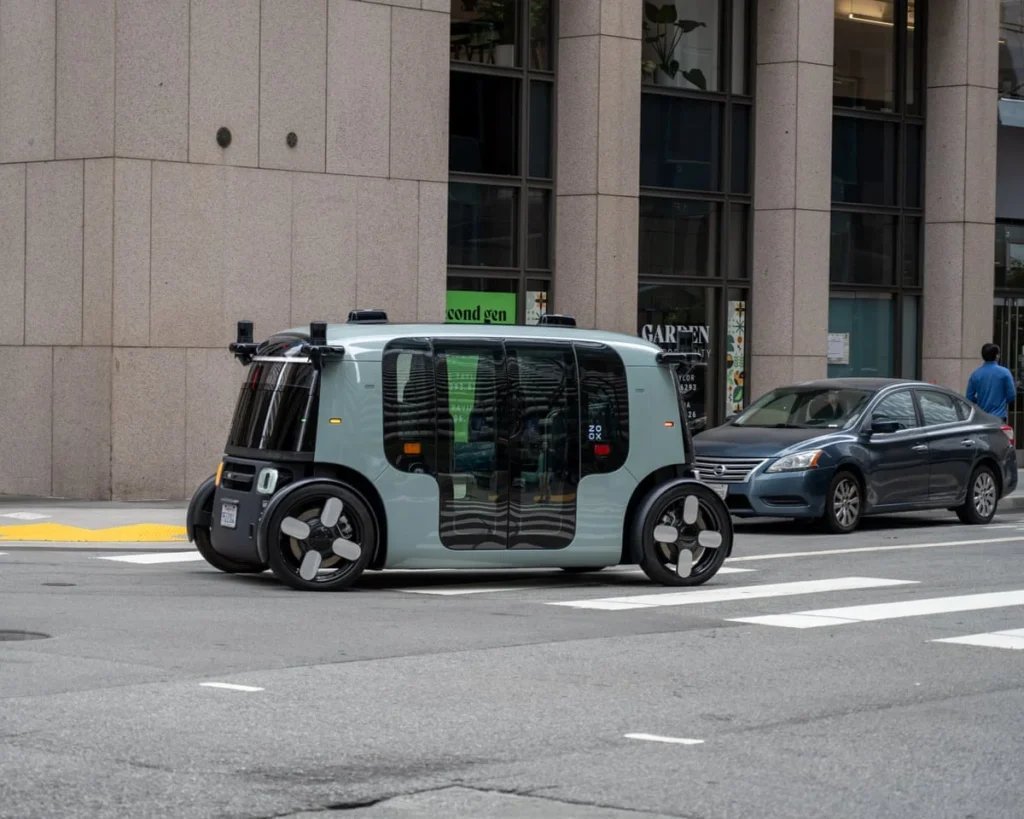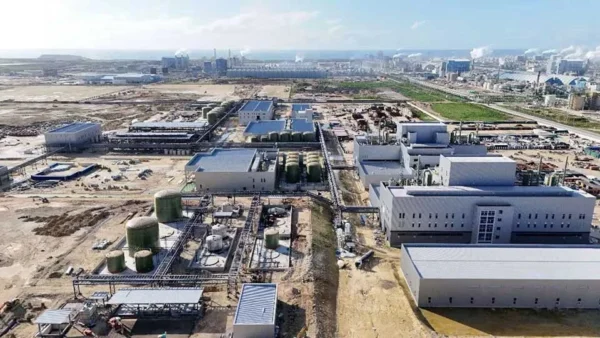
China is turning factories, robotics centres and automated transport systems into a new generation of visitor attractions as technology tourism expands across major cities.
Travellers are increasingly adding electric vehicle plants, artificial intelligence laboratories, drone facilities and automated production lines to itineraries once dominated by temples, museums and natural landmarks.
The shift is especially visible across Beijing, Shanghai, Shenzhen, Hangzhou, Hefei and Nanjing. These cities provide direct access to industries shaping future mobility, manufacturing and consumer technology.
Beijing has designated more than 140 industrial tourism demonstration sites. Meanwhile, a major electric vehicle manufacturing complex in the capital has received over 250,000 visitors since March 2024.
Demand has become strong enough for some facilities to allocate admission through digital lotteries. The popularity demonstrates how working factories can operate as both industrial infrastructure and organised attractions.
National policy opens factory doors
Seven Chinese government departments, including the Ministry of Culture and Tourism and Ministry of Industry and Information Technology, have encouraged industrial enterprises to develop public visits.
The 2026 national direction covers sectors including automotive manufacturing, advanced robotics and consumer electronics. It supports guided tours, educational programmes and organised access to operating production lines.
Such access was previously uncommon because many industrial facilities restricted entry for operational, safety or commercial reasons.
Structured tourism programmes can now allow visitors to observe selected areas without interrupting production. Factories can use viewing galleries, guided routes and interactive exhibitions to explain complicated processes.
This model gives travellers a closer understanding of how electric vehicles, batteries, robots and smart devices are produced. It also allows China to present its manufacturing capabilities through firsthand visitor experiences.
Innovation cities gain new itineraries
Technology-focused tours are expanding beyond Beijing into several major industrial corridors.
Shanghai itineraries combine artificial intelligence and robotics attractions. Shenzhen provides access to consumer electronics, drones and advanced manufacturing, while Hangzhou is associated with digital services and technology companies.
Hefei has developed a strong position in electric vehicles, batteries and scientific research. Nanjing also offers industrial and innovation assets capable of attracting technical groups and business travellers.
These destinations can appeal to students, engineers, investors and corporate delegations. However, the experience is also becoming relevant to general leisure travellers interested in seeing technology operate outside an exhibition hall.
Multi-day programmes may include research centres, startup incubators, smart factories and automated transport facilities. This can increase demand for hotels, restaurants and local mobility services beyond conventional tourism districts.
Visa-free entry strengthens demand
China’s expanding visa-free policies are reducing entry barriers for many international travellers.
National Immigration Administration figures showed 22.9 million foreign entries during the relevant early-2026 reporting period, up 20.4 percent year on year. Visa-free arrivals accounted for 17.8 million entries, or 77.7 percent of the total.
Simpler access makes short technology-focused visits more practical. Business travellers can also combine meetings or exhibitions with factory tours and leisure activities.
The effect is particularly important for innovation hubs with strong international air connectivity. Visitors can enter through major gateway cities before travelling to nearby industrial centres by high-speed rail.
Tour operators can use this accessibility to create itineraries combining modern technology with heritage, cuisine and traditional attractions.
Automation becomes a visitor spectacle
China’s manufacturing scale gives industrial tourism a powerful visual foundation.
Official economic data show continued rapid growth in equipment and high-tech manufacturing. During the first seven months of 2026, equipment manufacturing increased 9.7 percent year on year, while high-tech manufacturing expanded 13.8 percent.
Earlier in the year, production of industrial robots, lithium-ion batteries and three-dimensional printing equipment also recorded strong growth.
Inside smart factories, visitors can observe robotic arms performing precise assembly work, automated vehicles transporting components and digital systems monitoring production.
These processes turn abstract discussions about automation into visible experiences. For travellers, the attraction lies in watching technologies associated with the future already functioning at commercial scale.
Industrial heritage gains digital life
Technology tourism is not limited to new factories. Chinese cities are also transforming former industrial sites into creative and cultural districts.
Chengdu’s Eastern Suburb Memory occupies a former state-owned electronic tube factory. The complex combines preserved industrial architecture with performance venues, digital installations and cultural spaces.
It attracted more than 18 million visits in 2025, demonstrating the tourism potential of adaptive industrial reuse.
These projects preserve machinery, steel structures and factory buildings while giving them new economic roles. They can also distribute visitors into districts that previously sat outside established tourism routes.
Technology shopping extends visitor spending
Technology-led itineraries can generate retail demand alongside attraction visits.
International travellers may purchase smart devices, translation wearables, cameras, electronics or personal drones after seeing related technologies demonstrated. Tax-refund services can make this spending more attractive to eligible overseas visitors.
Hotels also benefit when specialised tours require longer stays or visits to several cities. Higher-value groups may seek premium accommodation, private transport, interpreters and customised access.
However, factory tourism requires careful management. Operators must protect visitor safety, commercial confidentiality and production continuity. International guests also need clear booking processes and multilingual explanations.
China’s high-tech tourism boom adds a distinctive layer to the country’s visitor economy. Ancient landmarks will remain central, but working robot factories and innovation districts now offer another compelling reason to travel.
By combining industrial access, easier entry and efficient transport, China is building a tourism experience where visitors can explore its history while also witnessing technologies shaping the future.
For more travel news like this, keep reading Global Travel Wire