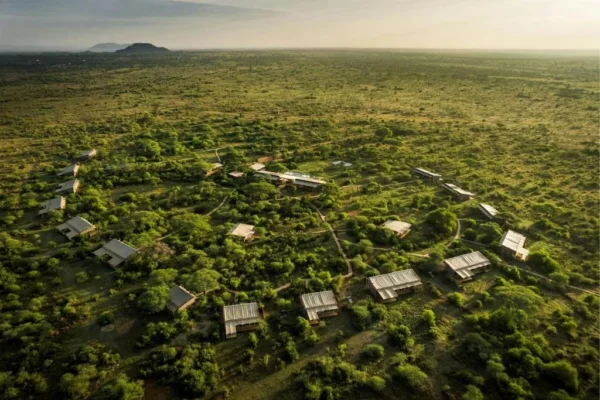
Mapito Safari Camp, Serengeti, Autograph Collection, is celebrating its first anniversary after a year of luxury tourism growth and community partnerships.
The property opened as Tanzania’s first Marriott-branded safari camp. It has since built its reputation around personalised wildlife experiences, conservation awareness and locally connected hospitality.
The milestone arrives as its developers prepare for another expansion. Mereshi Plains, Serengeti, Autograph Collection, is scheduled to open in October 2026 as the group’s second camp in the destination.
Mapito has also received international recognition as Tanzania’s Leading Luxury Tented Safari Camp 2026 at the World Travel Awards. The honour strengthens the property’s position within Tanzania’s competitive high-end safari market.
Together, the anniversary, award and planned opening point to rising investment in experience-led accommodation across the Serengeti.
Intimate accommodation supports private safaris
Mapito Safari Camp is located within the Ikoma Wildlife Management Area, a community-operated conservation zone connected to the wider Serengeti ecosystem.
Its setting provides access to open landscapes and free-roaming wildlife throughout the year. The western Serengeti corridor also offers seasonal Great Migration experiences as wildebeest and zebra move through the region.
The camp features 15 one- and two-bedroom tented suites alongside a two-bedroom villa. This limited accommodation inventory creates an intimate environment for guests seeking privacy and highly personalised service.
Each accommodation provides access to a private luxury Land Cruiser, a dedicated safari guide and personal butler service. Guests can therefore shape wildlife excursions around their interests and preferred schedules.
A concierge team supports the experience through pre-arrival planning and customised activities. This service-led model targets travellers seeking more control over their safari rather than a standard group itinerary.
Night drives reveal another Serengeti experience
The camp’s experiences extend beyond conventional daytime game drives. Night safaris give guests opportunities to observe nocturnal wildlife and ecosystem activity after sunset.
These excursions add depth to the visitor experience while encouraging guests to spend more time within the destination. They also help distinguish the property in a luxury market where travellers increasingly expect exclusive activities.
After game drives, visitors can use the camp’s spa or relax beside its infinity pool. Farm-to-table dining incorporates locally inspired dishes and fresh ingredients from the property’s vegetable garden.
Retractable tent roofs allow guests to sleep beneath the Serengeti sky while retaining the comfort of luxury accommodation. The feature connects the property’s design with its wilderness setting.
Such experiences illustrate a wider shift in luxury tourism. Travellers increasingly value privacy, nature, personal service and a strong sense of place alongside conventional comfort.
Community programmes widen tourism benefits
Mapito Safari Camp was designed to create economic and social value beyond its guest operations.
Through collaboration with the Give a Future Foundation, the camp supports education, healthcare and employment initiatives within communities across the Serengeti region.
At the Hope for Girls & Women Centre, young women receive educational assistance, mentorship and vocational training. These programmes are intended to create pathways into employment and longer-term careers.
Mapito also provides practical hospitality training in safari guiding, culinary operations and guest services. English-language education and professional development further prepare participants for opportunities within Tanzania’s tourism industry.
This approach can help connect nearby communities with the expanding value of safari travel. It also gives the hospitality sector access to locally trained employees who understand the destination.
Healthcare support reaches local families
Healthcare forms another part of Mapito’s community programme. The camp supports Robanda Medical Clinic, including access to a full-time doctor and essential medicines.
Specialist outreach initiatives have provided consultations, treatment and surgical care to families living near the property.
A dedicated sickle cell programme also supports early diagnosis, continuing treatment and long-term care for children. The initiative addresses an important health requirement in surrounding communities.
These programmes demonstrate how remote hospitality developments can contribute to services used by residents as well as visitors.
Local jobs strengthen the visitor economy
Mapito generated more than 250 jobs during construction. Approximately 90% of its current workforce is Tanzanian, including members of the senior leadership team.
The property has also incorporated locally sourced materials, Tanzanian craftsmanship and artisan partnerships into its design and operations.
Founder and Managing Director Rishen Patel said the project was created to reflect the Serengeti while building long-term relationships with neighbouring communities.
He added that the first year demonstrated how hospitality could support opportunities beyond the guest experience. Education, healthcare and skills development remain central to the property’s future direction.
Local employment and sourcing allow more tourism spending to circulate within Tanzania. They can also strengthen the authenticity of the guest experience by placing local knowledge and identity at its centre.
Mereshi Plains prepares for October opening
The scheduled October 2026 opening of Mereshi Plains will begin the next stage of the group’s Serengeti expansion.
The second property is expected to follow Mapito’s model by combining international hospitality standards with immersive design, community relationships and regional employment.
Its launch could add new high-end accommodation while increasing Tanzania’s visibility among luxury safari travellers and Marriott’s global customer base.
As Mapito enters its second year, its development represents a broader direction for Tanzania’s hospitality industry. The model links wilderness travel with intimate accommodation, community investment and conservation-led visitor experiences.
The challenge will be maintaining that balance as the portfolio grows. If achieved, the expansion could support tourism revenue while creating lasting value for the communities that help protect the Serengeti.
For more travel news like this, keep reading Global Travel Wire