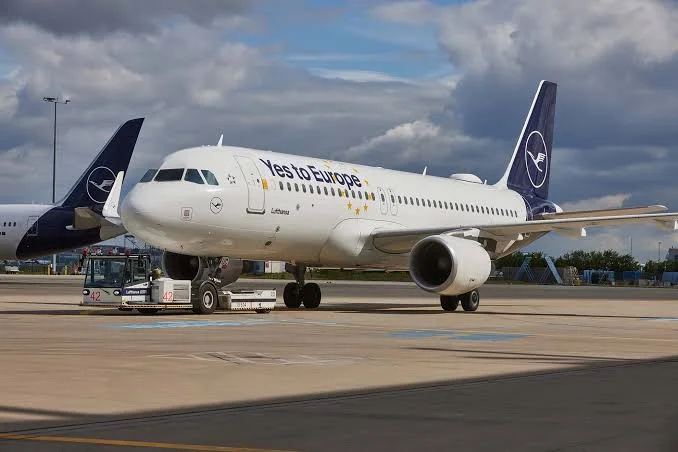
European aviation maintained extensive summer flight operations despite fuel price pressure, airspace restrictions and capacity constraints, supporting tourism across the continent. The summer performance figures show more than two million flights and arrival punctuality of approximately 77%.
That punctuality measure counts flights arriving within 15 minutes of their scheduled arrival time. It indicates that most monitored services reached their destinations within this window, although delays continued to affect passengers.
Airlines and airports combined financial planning, coordinated traffic management and closer monitoring of ground operations to protect schedules. For travellers, these measures helped maintain access to holidays, business trips and connecting journeys.
Major gateways, including Dublin, Frankfurt, Paris and Amsterdam, illustrate the different financial and operational challenges facing Europe’s aviation network.
Fuel Costs Put Airline Budgets Under Pressure
Higher jet fuel costs create immediate pressure on airline finances because fuel represents a substantial operating expense. Longer routes around restricted airspace can increase that exposure by adding flight time and fuel consumption.
However, airlines do not necessarily pay the current market price for every tonne they use. Fuel hedging allows carriers to secure arrangements covering part of their expected future requirements.
These agreements can make expenditure more predictable when market prices rise. Their protection varies according to coverage, contract terms and the timing of purchases.
Dublin-based Ryanair, Lufthansa and easyJet feature among the carriers using hedging strategies in the supplied account. Such arrangements can support planning, but they do not eliminate fuel risk.
For tourism, predictable airline costs can help sustain scheduled capacity. That supports destinations relying on consistent access from international visitor markets.
Punctuality Depends on the Whole Network
Maintaining flight schedules requires coordination beyond individual airlines. Aircraft cross several air traffic sectors, where weather, congestion and staffing can influence journey times.
EUROCONTROL’s Network Manager coordinates traffic flows with national air navigation providers. Adjusting routes and departure timing can help manage pressure when particular sectors become constrained.
Nevertheless, rerouting involves trade-offs. A path around congestion may reduce waiting but increase distance, making coordination important for both punctuality and fuel use.
The reported 77% arrival punctuality therefore reflects network performance rather than the reliability of every airport or route.
Passengers with onward connections still need to consider individual schedules. A continent-wide average cannot predict whether a specific flight will arrive on time.
Airport Turnarounds Shape the Traveller Experience
Ground operations also influence whether aircraft depart as planned. Baggage handling, cleaning, catering, fuelling and boarding must progress within a limited turnaround period.
A delay in one activity can affect the next departure. It may also carry forward into later flights using the same aircraft.
Amsterdam Schiphol’s Deep Turnaround platform illustrates how airports can use artificial intelligence to monitor servicing activity. The system tracks ground-handling milestones and provides information that helps teams identify emerging delays.
Earlier visibility can support better coordination between airport operators, airlines and handling teams. More accurate departure estimates can also help manage aircraft movements.
For passengers, the potential benefits include clearer operational information and fewer avoidable disruptions. Technology remains one component of performance alongside staffing, equipment and effective communication.
Regional Gateways Expand Tourism Access
Airports outside the largest international hubs also play an important role in European travel. Direct leisure services can connect visitors with destinations without requiring transfers through major gateways.
The supplied account highlights Bratislava, Malta, Palma de Mallorca and Málaga within the wider network discussion. These gateways serve different markets and contribute to the distribution of European air traffic.
For destinations, direct access can support hotels, attractions, restaurants and local transport providers. However, flight activity alone does not establish higher tourism spending.
The economic outcome depends on passenger numbers, visitor behaviour and the availability of local services. Reliable connections create opportunities that destinations must convert into bookings and experiences.
Sustainable Fuel Adds a Longer-Term Priority
Alongside immediate operating pressures, aviation continues to develop sustainable fuel supply. Increasing availability requires production capacity, distribution infrastructure and coordination between suppliers, airports and airlines.
This work addresses a different challenge from short-term punctuality. Sustainable fuel does not independently prevent weather disruption or resolve congested airspace.
Nevertheless, fuel planning increasingly connects operating costs with environmental objectives. Airlines must manage both while maintaining the services that destinations and passengers depend upon.
What the Performance Means for Tourism
Europe’s summer aviation performance shows how several measures can help preserve connectivity under pressure. Financial protection, traffic coordination and airport efficiency each address different vulnerabilities.
For travellers, reliable schedules reduce uncertainty around accommodation, transfers and onward journeys. For destinations, consistent air access supports the visitor economy throughout busy periods.
The next test is maintaining that coordination as operating conditions change, while improving the experience of passengers whose flights still face delays.