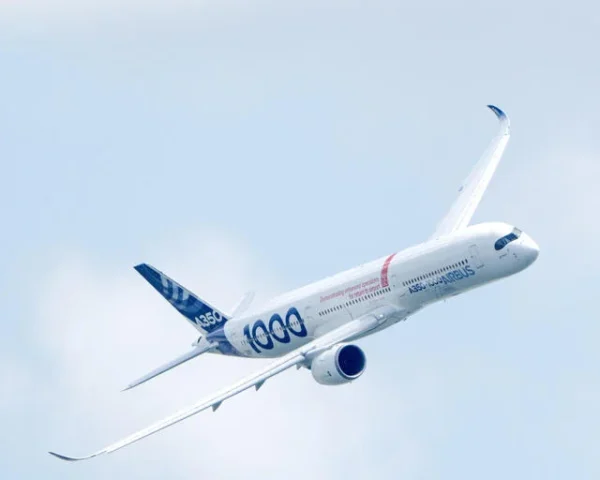
Airbus projects the global aviation services market will reach US$422 billion annually by 2045, more than doubling its 2026 value. Released in Toulouse, France, on 14 October 2026, the forecast highlights the operational demands accompanying expanding global air travel.
The outlook anticipates a worldwide fleet of 45,550 aircraft supporting approximately 10 billion annual passenger journeys by 2045. Maintenance, training and digital services will underpin that expansion, with implications for airlines, tourism destinations and passenger experiences.
For tourism businesses, the forecast highlights the support infrastructure needed to sustain future connectivity. However, it announces no specific routes, fare changes or immediate increase in destination arrivals.
Maintenance Will Drive Aviation Services Spending
The Airbus aviation services forecast places annual market value at US$209 billion in 2026, rising to US$422 billion by 2045. That represents approximately 3.8% compound annual growth across the forecast period.
Fleet expansion, increased aircraft use, cabin improvements and digital adoption underpin the projected increase. The outlook covers passenger aircraft exceeding 100 seats and freighters carrying more than 10 tonnes.
Importantly, these figures cover aircraft from multiple manufacturers. They represent the wider commercial aviation services market rather than Airbus revenue or confirmed sales.
Engine and component maintenance forms the largest spending category, reaching a projected US$217 billion annually by 2045. Operations support follows at US$104 billion, while aircraft maintenance accounts for US$36 billion.
Together, these activities demonstrate the scale of technical support required to keep growing fleets operational. For travellers, aircraft availability can influence schedules, onward connections and the overall reliability of a journey.
Larger Fleets Could Strengthen Destination Access
The related traffic outlook projects annual growth of 3.9% and demand for 42,060 new aircraft deliveries through 2045. However, 19,820 deliveries would replace existing aircraft.
Consequently, aircraft deliveries cannot translate directly into equivalent fleet growth. Nearly half would renew capacity already serving passenger and freight markets.
For destinations, additional operating capacity could support improved access where airlines introduce routes or increase frequencies. Hotels, attractions and tour operators could benefit when those connections generate sustained visitor demand.
Nevertheless, the forecast provides no quantified increase in hotel bookings, tourism earnings or international arrivals. Actual benefits depend on airline decisions and delivered services.
The projected 10 billion annual passenger journeys also include repeated travel by individuals. The figure does not represent 10 billion separate tourists.
Aviation Workforce Needs Reach 2.44 Million
Supporting future operations will require approximately 2.44 million new aviation professionals cumulatively by 2045. This includes 660,000 pilots, 730,000 maintenance technicians and 1.05 million cabin crew.
Those requirements combine workforce replacement with expansion. They therefore describe recruitment needs across the period rather than purely additional jobs.
Annual training demand could reach US$17 billion by 2045, highlighting the preparation required before airlines can sustain larger operations.
For the tourism industry, staffing capacity matters alongside aircraft availability. Airlines need trained crews and technicians to translate fleet plans into dependable passenger services.
The workforce figures consequently highlight a substantial preparation task for airlines, training providers and maintenance organisations.
Digital Services Could Improve Passenger Experiences
Connectivity and digital services represent the fastest-growing segment, with projected annual growth of 5.3%. The market could reach US$27 billion annually by 2045, approximately tripling over the period.
Predictive maintenance offers one practical application. Operational data can help technical teams identify developing faults and schedule maintenance earlier.
Where successfully implemented, this approach could support aircraft availability and protect travel connections. However, the forecast does not establish a deadline for fewer cancellations or universal service improvements.
Cabin modifications and upgrades represent another US$21 billion annually by 2045. Such investment could influence onboard comfort, although facilities will vary between airlines and aircraft.
Travellers should therefore confirm specific cabin features with their operating airline when booking.
Asia Growth Highlights Tourism Planning Opportunities
Asia is expected to lead services market growth, while Europe, North America and China remain major markets. The related outlook identifies India, Vietnam, Indonesia and Malaysia among growing traffic markets.
It also anticipates more connections between smaller cities. Such development could widen destination access where airlines establish commercially sustainable services.
For tourism planners, the opportunity lies in tracking actual schedules alongside maintenance, staffing and operational readiness.
The Airbus aviation services forecast outlines the resources needed to support future travel expansion. Its tourism significance will emerge through delivered capacity, reliable operations and connections that successfully attract visitors.
For more travel news like this, keep reading Global Travel Wire