Four Seasons Hotel Madrid placed contemporary Argentine gastronomy at the centre of a special dining programme scheduled for 22 October 2026. The collaboration paired visiting chef Gonzalo Aramburu with the hotel’s Executive Chef Antonio Soriano at Dani Brasserie.
The announced experience offered a set menu and wine pairing for €195 per person, with dinner scheduled for 8 pm. Naked, the restaurant’s private dining space, provided the designated setting.
For Madrid’s hospitality sector, the initiative illustrates how international chef collaborations can broaden a hotel’s appeal beyond accommodation. Its significance centres on culinary exchange and distinctive visitor experiences.
Buenos Aires Expertise Meets Madrid Hospitality
Aramburu leads his namesake restaurant in Buenos Aires, recognised with two Michelin stars in the 2026 Buenos Aires and Mendoza selection.
The restaurant remained Argentina’s only establishment holding that distinction within the guide’s selection, giving the Madrid collaboration a notable culinary identity.
Its approach combines Argentine ingredients, seasonal produce and contemporary techniques, presenting a broader interpretation of the country’s cooking.
That perspective moves beyond the familiar association between Argentine dining and grilled beef, introducing other possibilities within modern fine dining.
Soriano brought the hotel’s culinary expertise to the collaboration, connecting the visiting chef’s approach with an established luxury hospitality operation.
Together, the chefs offered a framework for exploring ingredients, technique and cultural identity through a specially developed dining experience.
Dani Brasserie Provides a Rooftop Setting
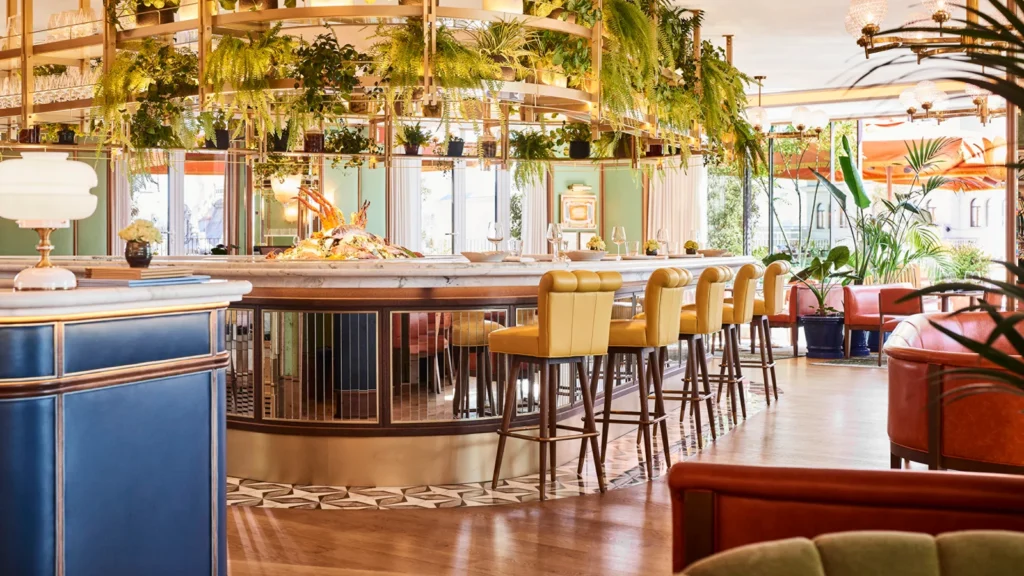
Dani Brasserie occupies the seventh-floor rooftop of Four Seasons Hotel Madrid, with views across the Spanish capital’s central districts.
Its regular concept, developed by Spanish chef Dani García, combines contemporary Spanish cooking with international influences.
The Aramburu collaboration introduced a separate experience within that setting, using Naked as the venue for the announced dinner.
This distinction matters for visitors researching the restaurant. A guest-chef event does not automatically become part of its permanent menu.
Likewise, the advertised €195 price applied to the specific set-menu experience and wine pairing, rather than every visit to Dani Brasserie.
The programme was presented as a single-evening event. No repeat date or continuing residency formed part of the supplied announcement.
Ingredients Carry the Culinary Story
The dinner’s stated direction emphasised Argentine ingredients, their origins and the relationships linking chefs with producers.
Aramburu’s broader culinary philosophy gives individual products a central role, supported by precise preparation and carefully considered presentation.
For diners, that approach provides a way to explore a destination’s food culture through more than recognisable national dishes.
However, the announcement did not publish the complete Madrid menu. Individual ingredients and preparations therefore cannot be presented as confirmed courses.
The collaboration’s appeal rested on the chefs’ combined interpretation, supported by the hotel setting and the included wine pairing.
For food-focused travellers, such detail helps distinguish a special gastronomic programme from an ordinary restaurant reservation.
Culinary Events Expand City-Break Appeal
International dining collaborations can give travellers another experience to consider alongside museums, architecture, shopping and neighbourhood exploration.
Four Seasons Hotel Madrid’s location at Calle de Sevilla 3 places the property close to Puerta del Sol and central attractions.
That setting makes it possible to combine a restaurant visit with a wider cultural itinerary, without treating dining as an isolated activity.
For hotels, these programmes create opportunities to attract local residents as well as overnight guests and visiting food enthusiasts.
They also allow a property to introduce different culinary perspectives while retaining its regular restaurant identity.
However, the announcement supplied no figures for additional room bookings, restaurant revenue or visitor spending attributable to the collaboration.
Argentine Gastronomy Reaches Another Audience
Presenting Aramburu’s cooking in Madrid gives contemporary Argentine cuisine exposure within an international hospitality environment.
The exchange also creates professional contact between chefs working in different markets, with ingredients and preparation providing a shared creative focus.
For diners interested in Buenos Aires, the collaboration offered an introduction to a culinary perspective associated with the city.
That exposure could encourage further interest in food-led travel, although the event did not establish a formal tourism campaign between destinations.
Its immediate value lies in cultural discovery and the diversity it brings to Madrid’s restaurant programme.
A Distinct Experience Within Luxury Hospitality
With the advertised date now passed, travellers should distinguish this October collaboration from experiences currently available at the hotel.
Future guest-chef dinners would require separate announcements covering dates, prices, menus and booking arrangements.
The Aramburu–Soriano programme demonstrates how a luxury property can connect international culinary talent with a specific place and occasion.
For Madrid’s visitor economy, that adds variety to the city’s dining offer while giving gastronomy a visible role within the travel experience.
For more travel news like this, keep reading Global Travel Wire