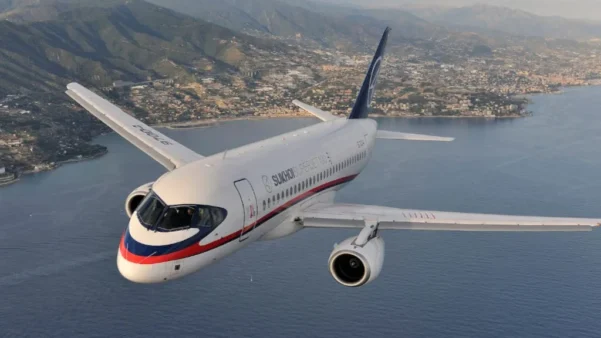
Russia is considering a surcharge on domestic and international airline tickets from 2027 to help finance Russian-built passenger aircraft. Preliminary figures put the charge at 500 roubles for domestic flights and 1,000 roubles for international services. The amounts remain subject to government approval.
The proposal would help fund leasing and operating costs for 258 aircraft. For passengers, the effect on travel budgets would depend on which tickets are covered and how airlines incorporate the levy into fares. The start date, collection procedures and any exemptions remain unresolved.
Domestic Travellers Account for Most Airline Traffic
Russian airlines carried 70.55 million passengers between January and August 2026. Domestic services accounted for 52.33 million, or roughly three quarters of the total. International routes carried 18.22 million passengers, up 1.5% from the same period in 2025.
That domestic share makes airfare affordability especially relevant to regional destinations. A charge of 500 roubles would represent a larger share of a low-priced ticket than of a more expensive fare. How much a household pays would also depend on how the final rules apply to return journeys and bookings for several passengers.
For hotels and tour operators, any change in flight costs would be one factor in holiday pricing. Its influence on bookings would vary with the destination, the time of year and the alternatives available to travellers.
Proposed Funding Would Support Aircraft Leasing
The surcharge would help cover the cost of putting Russian-built aircraft into service. Leasing allows carriers to spread acquisition costs over time, while operating expenditure continues after aircraft enter commercial use.
The 258 aircraft identified for possible financing sit within a wider effort to renew Russia’s civilian fleet. A government programme approved in 2022 and revised in 2024 set a target of 990 civilian aircraft deliveries between 2024 and 2030.
That broader programme includes the medium-haul MS-21 and the SJ-100 for shorter routes. The financing proposal addresses how airlines could pay for part of the planned fleet. When carriers can add those aircraft to schedules will depend on deliveries, certification and readiness for commercial operations.
Regional Subsidies Raise an Exemption Question
Russia allocated 26.7 billion roubles to passenger air transport subsidy programmes in 2025. The programmes supported reduced fares for 5.5 million passengers. In the same year, 54.4% of scheduled interregional passenger flights bypassed Moscow.
Those services matter to tourism businesses in cities that rely on direct links with other regions. They also give travellers an alternative to itineraries that require a transfer through the capital.
The proposed aircraft levy would operate separately from existing subsidised travel programmes. Whether reduced-fare tickets would be exempt remains open. That decision would help determine how the measure affects travellers who rely on those programmes.
International Packages Could Face Higher Costs
Russia’s aviation regulator reported direct air links with 39 countries in its March 2026 review. The review identified developments involving Saudi Arabia and the Philippines, services by Vietnamese carriers, and resumed Aeroflot flights to Seychelles and Sri Lanka.
The proposed 1,000-rouble charge could affect the flight component of eligible international holidays. Tour operators would need to see how airlines apply it to fares before deciding whether to adjust package prices. Travellers comparing overseas trips would still need to consider baggage, transfers and accommodation alongside the ticket price.
The route figures describe the reach of Russia’s international network at the time of the review. The eventual effect on individual destinations would depend on which tickets fall within the levy and how passengers respond to the total price.
Final Rules Will Determine the 2027 Fare Impact
The next step is a government decision on whether to approve the levy and how it would apply. The preliminary amounts give travellers and tourism businesses a basis for estimating possible costs. The price shown for an individual booking will depend on the final rules and the airline’s fare.
For regional destinations, the policy poses two separate questions. One is whether the levy would affect the affordability of flights people already use. The other is whether financing new aircraft would help airlines maintain or expand those services over time. The first will become clearer when ticket rules are published. The second will depend on when aircraft are delivered and where carriers deploy them.
For more travel news like this, keep reading Global Travel Wire