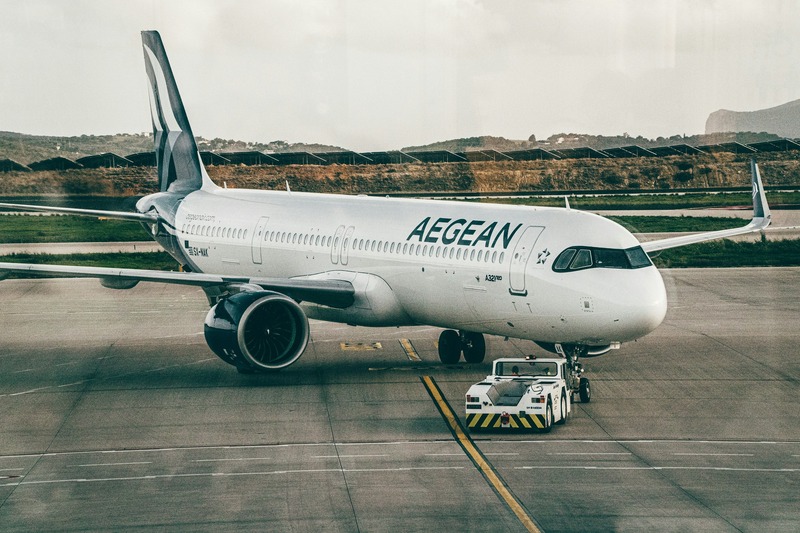
European aviation faced another round of disruption on Friday, November 6, as fresh bomb threats targeting commercial aircraft triggered security checks, flight diversions and heightened alerts across several countries. The latest incidents have added to growing concerns over Europe flight disruptions, with airlines and airport authorities working to ensure passenger safety while keeping air traffic moving. Although all affected aircraft landed safely and searches found no explosives, the repeated threats have created uncertainty for travellers flying across the continent.
At least 18 flights were affected by the latest wave of bomb threats to flights, bringing the number of disrupted services reported during the week to more than 50. The alerts involved aircraft operating to or from Bulgaria, Cyprus, the Czech Republic, France, Hungary, Italy, Portugal, Romania and the United Kingdom. The incidents follow similar warnings earlier in the week, which forced several aircraft to change course or undergo additional security inspections.
Flights Diverted as European Airports Heighten Security
Prague Airport emerged as one of the main centres of disruption, with at least nine flights to and from the Czech capital affected by security alerts. Several aircraft were subjected to precautionary checks, while authorities investigated threats involving both arriving and departing services.
A Wizz Air flight travelling from Prague to Rome was diverted to Venice following a bomb alert. Passengers were evacuated after the aircraft landed, allowing security teams to carry out the necessary inspections. Meanwhile, a flight travelling from Lisbon to Rome and another service operating between Prague and Bucharest were also among those affected.
French authorities reported four new threats involving aircraft flying over the country. The affected planes landed safely at Paris Orly Airport, where bomb disposal specialists conducted inspections. Two other aircraft travelling towards Sofia also faced security alerts.
Hungary took additional precautionary measures, scrambling fighter jets on three occasions to escort civilian aircraft through its airspace. The flights included services travelling from Brussels to Sofia and from Prague towards Cyprus and Romania. Danish police also responded to a security alert at Copenhagen Airport, although authorities subsequently confirmed that there was no danger to passengers or airport operations.
Ireland Warns of Possible Coordinated Disruption Campaign
The repeated incidents have prompted concern among European governments about whether the threats are connected. Ireland’s government described a coordinated campaign of disruption as a likely possibility, particularly after similar threats were directed at media organisations in the country.
Dublin headquarters of national broadcaster RTÉ was evacuated on Friday following a bomb threat. Live programming was temporarily replaced by prerecorded content while police conducted security checks. Staff were allowed to return after the premises were declared safe. British broadcaster Sky also confirmed receiving a security threat, while Bulgaria’s NOVA TV reported a similar incident.
Irish Prime Minister Micheál Martin condemned the threats, warning that such incidents are designed to create fear and disrupt the normal functioning of society. Authorities are working with European security counterparts to identify those responsible.
Authorities Investigate as European Aviation Remains on Alert
Despite the scale of the reported incidents, the overall impact on European air traffic remained limited. According to Eurocontrol, 26,709 flights were scheduled across the European network on Friday, with the affected services accounting for a very small proportion of total operations.
However, the repeated alerts have raised concerns about the operational and financial consequences for airlines. Every threat requires a security response, potentially involving aircraft diversions, passenger evacuations, inspections and additional coordination between airports, airlines and national authorities.
The identity of those behind the threats remains unclear. Investigators have not established evidence linking the incidents to a particular terrorist organisation or state actor. Some European officials have raised concerns about possible hybrid aggression, particularly amid wider geopolitical tensions and recent cyberattacks targeting civilian infrastructure. However, authorities have cautioned against drawing conclusions before investigations are complete.
For travellers, the latest developments are a reminder that even threats ultimately found to be false can have real consequences for international journeys. European aviation authorities and airlines continue to prioritise security, while investigations seek to establish whether the incidents are connected. Until more clarity emerges, passengers may face additional checks and unexpected changes to flight schedules, making it important to monitor airline notifications and airport updates before travelling.