African airlines are developing routes, adding aircraft and widening partnerships, creating more travel options across regional and international markets. Ethiopian Airlines, Royal Air Maroc, RwandAir, TAAG Angola Airlines and Airlink feature among carriers pursuing improved connectivity.
The developments could help tourists reach additional destinations and give businesses greater flexibility when arranging cross-border journeys. However, new routes, fleet additions and commercial partnerships deliver different benefits and should not be treated as equivalent capacity increases.
For destinations, the opportunity extends to hotels, attractions, restaurants and ground transport providers. Realising those benefits depends on reliable flights, practical connections and sustained passenger demand.
Ethiopian Airlines Adds Regional Gateways
Ethiopian Airlines is extending its African network through Addis Ababa, combining additional destinations with connections to its wider international services.
Its announced Nacala service is scheduled to begin on October 27, 2026, with three weekly flights to Mozambique. The airline also plans to resume daily Durban services in December.
Port Harcourt represents another announced addition, widening the carrier’s presence in Nigeria.
These developments create opportunities for journeys linking East, West and Southern Africa. Their practical value will depend on schedules and connections available for each itinerary.
For tourism operators, additional gateways can support holidays combining several destinations, provided transfers and accommodation arrangements work together.
Royal Air Maroc Expands International Reach
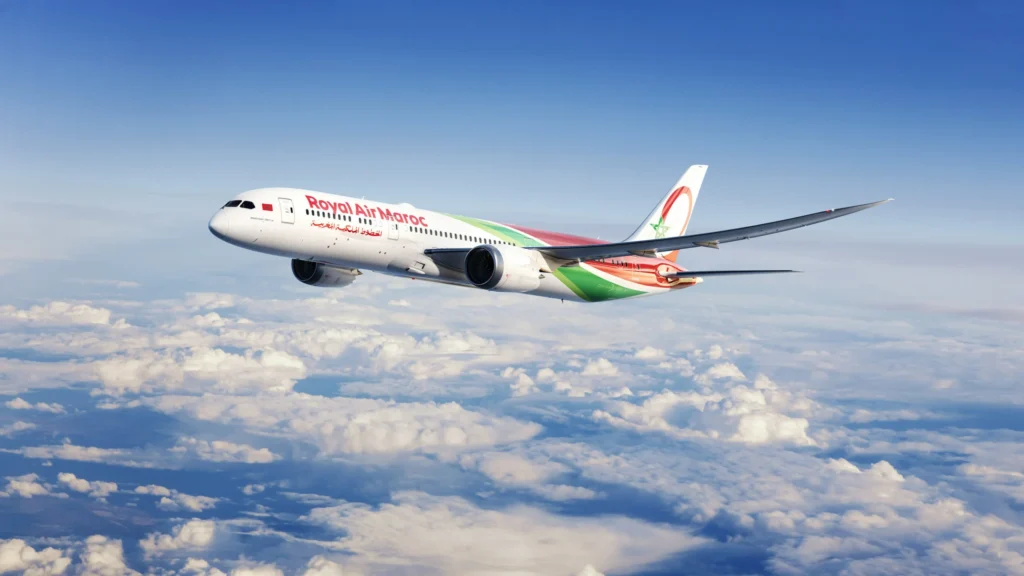
Royal Air Maroc’s summer 2026 programme included approximately 8.2 million seats, representing a 23% increase over the previous summer.
The published programme covered 86 international destinations and a fleet of 67 aircraft. These figures describe planned operations rather than confirmed passenger numbers.
Direct Casablanca–Los Angeles flights, introduced in June, added another transatlantic option for travellers considering Morocco.
The broader network also creates opportunities for connections through Casablanca to other African destinations.
For Morocco’s hospitality sector, additional air access provides a larger platform for attracting overseas visitors. Nevertheless, scheduled seats alone cannot establish hotel bookings, visitor spending or airline profitability.
RwandAir Develops Fleet and Partnership Options
RwandAir is pursuing growth through aircraft investment and cooperation with other airlines.
An Airbus A330-200 joined its fleet in August 2026, with further additions expected under its development programme. More aircraft can provide operational flexibility, although deliveries do not automatically translate into additional scheduled services.
The airline’s EgyptAir codeshare, announced in June, also broadens itinerary choices through the participating networks.
Destinations identified within the partnership include Cairo, Rome and Amman.
Such arrangements can simplify booking across airlines and support Kigali’s access to international markets. However, passengers should review operating carriers, connection times and baggage conditions before purchasing.
Southern Africa Builds Regional Leisure Links
TAAG Angola Airlines has expanded its African network from ten to thirteen destinations. It has also returned five aircraft to service.
A planned Luanda–Dakar–Praia service, scheduled for October 31, would connect Angola with Senegal and Cape Verde.
The route could support business journeys and leisure travel across markets with different tourism products.
Meanwhile, Airlink’s Embraer E195-E2 operations on Johannesburg–Zanzibar and Cape Town–Mauritius services strengthen access to Indian Ocean destinations.
These connections offer opportunities for combining mainland city visits with island holidays. Hotels and tour operators can develop packages around the available schedules.
Airline Partnerships Widen Booking Choices
South African Airways and Emirates announced an expanded reciprocal codeshare in August, covering nine additional routes.
The arrangement increases the destinations passengers can access through the partners’ booking networks.
Kenya Airways is also widening regional access through its agreement with CemAir. The partnership offers connections to ten South African domestic destinations and four regional destinations.
CemAir passengers gain access to fifteen destinations within Kenya Airways’ African network.
These agreements expand commercial access without necessarily adding physical seats. Their main contribution lies in connecting existing services into broader travel options.
Tourism Gains Depend on Practical Connections
For travellers, route announcements become meaningful when they deliver convenient departure times, manageable transfers and dependable operations.
Additional frequencies can make shorter holidays or business visits easier to organise. Direct services may also remove connections from particular journeys.
However, affordability, entry requirements and airport facilities continue to influence destination choices.
Tourism businesses therefore need to assess complete itineraries when planning products around new flights.
Airlines face their own challenges, including maintenance needs, aircraft availability and operating expenses. New services must attract enough demand to remain viable.
African airline expansion creates opportunities across established destinations and emerging markets. Its lasting tourism contribution will depend on converting wider networks into reliable journeys that passengers choose to book.
For more travel news like this, keep reading Global Travel Wire