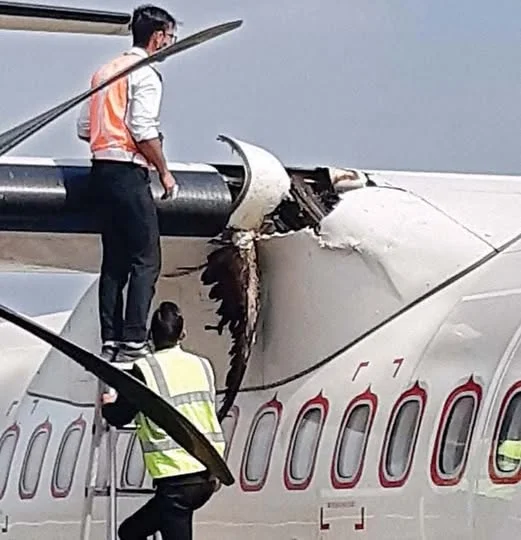
A reported Air India Express bird strike involving a Bengaluru-bound service on October 19 has raised questions about aircraft inspections. However, the information available does not establish the incident’s operational details or confirm disruption to subsequent flights.
For travellers, the immediate issue concerns whether their own departure or connection has changed. There is no verified basis here to report cancellations, missed connections or disrupted holidays linked to the reported event.
The distinction matters because landing safely and receiving clearance for another flight involve separate assessments. Technical checks may influence aircraft availability, but their scheduling consequences require independent confirmation.
Aircraft Status Determines the Next Development
The central unanswered question concerns the aircraft’s status after arrival. Inspection findings, maintenance clearance and subsequent flight movements would help establish what happened next.
Without those details, the report cannot demonstrate whether the aircraft continued its schedule or required additional attention.
Likewise, an inspection does not automatically mean another service faced cancellation. An airline’s response could involve operational adjustments, but no particular outcome has been established in this case.
A reliable account must therefore distinguish the reported encounter from any documented consequences for passengers.
Why Post-Strike Inspections Matter
Aircraft manufacturers publish maintenance guidance explaining the importance of appropriate inspections following bird or foreign-object strikes.
Airbus guidance discusses potential damage to the radome, the nose structure covering weather radar equipment. Its broader safety message concerns following the correct maintenance procedures before the next flight.
An aircraft’s outward appearance alone cannot replace the required technical assessment.
However, this general guidance does not identify the aircraft involved in the Bengaluru report. It also cannot establish which components engineers examined or what they found.
Those incident-specific findings remain essential before describing damage, repair requirements or a return-to-service timeline.
Indian Figures Provide Safety Context
India’s Ministry of Civil Aviation published national bird and wildlife-strike figures in a parliamentary response dated July 21, 2025.
The figures recorded 1,131 confirmed bird strikes in 2022, followed by 1,371 in 2023 and 1,278 in 2024.
Confirmed animal strikes numbered 18, 22 and 20 across those respective years.
Aircraft damage cases involving bird and wildlife incidents collectively reached 150 in 2022, 206 in 2023 and 198 in 2024.
These figures document aviation safety occurrences. They do not measure passenger delays, cancelled holidays or tourism revenue losses.
The ministry also reported no human injuries or deaths from such airport strikes during the preceding five years. That historical assessment cannot determine the outcome of a later reported incident.
Travellers Need Updates About Their Bookings
Passengers should focus on confirmed information about their booked service before changing travel arrangements.
A report involving one aircraft does not establish that other flights to Bengaluru face disruption. Travellers should check departure status, boarding information and any messages attached to their reservation.
Passengers with connections should also establish whether a confirmed schedule change affects their onward journey.
Where disruption occurs, booking confirmations, airline notifications and receipts can help document revised arrangements.
Any assistance or reimbursement depends on the circumstances and applicable booking conditions. Travellers should seek a clear explanation from the airline, travel provider or insurer.
Wildlife Management Extends Beyond Airport Boundaries
Airport wildlife prevention involves more than responding after an aircraft encounters a bird.
The ministry’s parliamentary response describes wildlife-management plans, control mechanisms and regulatory surveillance at Indian airports.
It also identifies a 2022 advisory addressing wildlife-hazard management gaps at and around aerodromes.
These existing measures provide regulatory context. They do not represent a newly announced response to the reported Air India Express event.
International airport guidance similarly describes habitat management and wildlife dispersal measures. However, general prevention practices cannot establish the species, location or cause involved in this particular report.
Tourism Businesses Need Confirmed Arrival Changes
Hotels, transfer companies and tour organisers need accurate timings to adjust services effectively.
A confirmed delay could require a revised airport pickup, later check-in or discussion about a scheduled excursion. None of those consequences has been verified here.
There is also no established tourism revenue or employment impact attributable to the reported event.
The next meaningful development would be confirmed information about the aircraft’s clearance and subsequent operations. Until then, precise booking updates offer travellers more practical value than assumptions about wider Bengaluru travel disruption.
For more travel news like this, keep reading Global Travel Wire