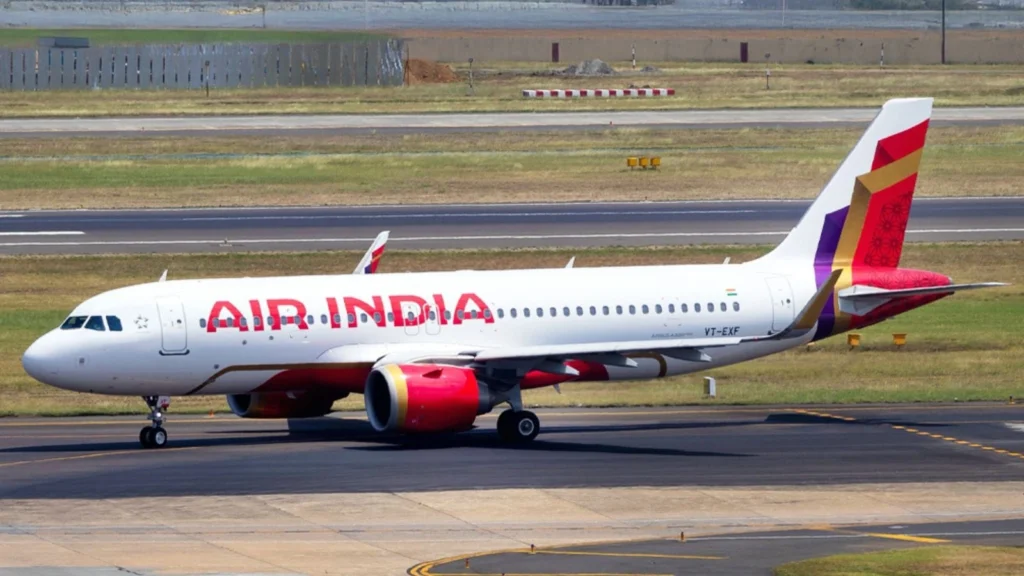
Air India has issued an urgent travel advisory for passengers flying to and from Delhi and Mumbai as intense monsoon weather creates operational pressure across two of India’s busiest aviation hubs.
The airline warned on 5 July 2026 that heavy rainfall, reduced visibility and strong gusty winds could affect flight schedules. Passengers have been advised to check the latest status of their services before leaving for the airport and to allow additional time for journeys through rain-affected urban areas.
The warning comes as the active southwest monsoon intensifies across several Indian regions. Mumbai faces particularly severe rainfall conditions, while Delhi is experiencing thunderstorms, rain and strong winds capable of disrupting aircraft movements and airport ground operations.
For travellers, the immediate message is clear: flights may be delayed, diverted or rescheduled at short notice as airlines and airports prioritise safety.
Severe Weather Places Major Airports Under Pressure
The India Meteorological Department has issued high-level rainfall warnings for Mumbai and surrounding districts, with heavy to extremely heavy rain expected in parts of Maharashtra.
Delhi is also facing unsettled weather, including thunderstorms, light to moderate rainfall and gusty winds. Such conditions can reduce visibility, slow runway operations and force air traffic controllers to increase the distance between arriving and departing aircraft.
Mumbai’s coastal location makes its airport especially vulnerable during intense monsoon spells. Heavy rain can affect runway visibility, baggage handling, aircraft servicing and employee movement across the airport.
Delhi may experience different but equally challenging conditions. Sudden thunderstorms and high-velocity winds can develop rapidly, interrupting approach sequences and forcing inbound aircraft to hold, divert or wait for safer landing conditions.
Flight Delays Create Wider Travel Disruption
Weather-related delays at Delhi and Mumbai can quickly spread across Air India’s domestic and international network.
Both cities are major connecting hubs, meaning a delayed aircraft may be scheduled to operate several additional services during the same day. One disruption can therefore affect passengers travelling far beyond the original route.
Travellers may face missed connections, gate changes, longer baggage waits or revised departure times. International visitors could also experience delays reaching hotels, tours, business meetings, cruise connections or onward rail services.
Domestic tourists heading to destinations through Delhi or Mumbai may find that even a short delay reduces available connection time. Families, elderly travellers and passengers with children may face additional pressure when terminals become crowded during extended weather interruptions.
The tourism and hospitality sectors can also feel the effects. Hotels may receive late arrivals, transfer operators may need to alter pickup schedules and attractions may experience cancellations from visitors unable to arrive as planned.
Air India Urges Passengers to Check Flight Status
Air India is encouraging passengers to monitor flight information through its official website and mobile services before travelling to the airport.
This step can help travellers avoid unnecessary waiting if a flight has already been delayed or rescheduled. However, passengers should continue checking for updates because monsoon conditions can change quickly.
Additional road travel time is also essential. Heavy rain frequently causes congestion, waterlogging and slower public transport in both Delhi and Mumbai. A flight may remain on schedule even while the journey to the airport takes significantly longer than usual.
Travellers should keep medication, chargers, important documents and essential personal items in their cabin baggage. This preparation can reduce inconvenience during long waits, gate changes or unexpected overnight disruption.
Passengers affected by cancellations or major schedule changes should contact Air India through its official customer-support channels to review rebooking or refund options.
Safety Decisions May Include Diversions
Diversions are a recognised part of monsoon flight operations and do not automatically indicate an aircraft emergency.
When weather temporarily prevents a safe landing, pilots may continue holding, return to the departure airport or divert to another suitable destination. Nearby airports such as Jaipur and Lucknow can sometimes support aircraft unable to land in Delhi, depending on weather, fuel and operational conditions.
For Mumbai-bound flights, airlines may also select alternative airports when runway access or visibility becomes unsuitable.
These decisions can inconvenience passengers, but they allow crews to manage changing conditions within established safety procedures. Airlines must consider weather information, runway availability, air traffic levels and aircraft fuel before selecting the safest option.
Digital Advisories Transform Monsoon Travel Management
Airline communication during weather disruptions has changed significantly in recent years.
Passengers previously depended heavily on airport counters for information. Today, airlines can distribute alerts through mobile applications, websites, text messages and digital customer-service channels.
This faster communication helps passengers make informed decisions before beginning their airport journey. It also allows airlines to manage rebooking demand and reduce pressure on terminal staff.
The Directorate General of Civil Aviation oversees passenger-protection requirements and airline operating standards in India. When flights are cancelled or heavily delayed, affected customers may receive assistance, rebooking or refund options depending on the circumstances and applicable regulations.
Passengers Should Prepare for Continuing Monsoon Volatility
The Air India travel advisory reflects a wider seasonal challenge for Indian aviation between June and September.
Monsoon conditions can remain highly localised and unpredictable. One airport may experience severe rain while another nearby location remains operational, making schedules difficult to stabilise.
Passengers travelling through Delhi and Mumbai should therefore remain flexible, monitor official updates and maintain sufficient time between connecting flights.
Air India’s warning underlines that operational convenience cannot take priority over safety. As heavy rain, poor visibility and gusty winds continue, travellers should expect possible delays while airlines, airport teams and air traffic controllers work to keep India’s busiest travel gateways moving safely.
For more travel news like this, keep reading Global Travel Wire