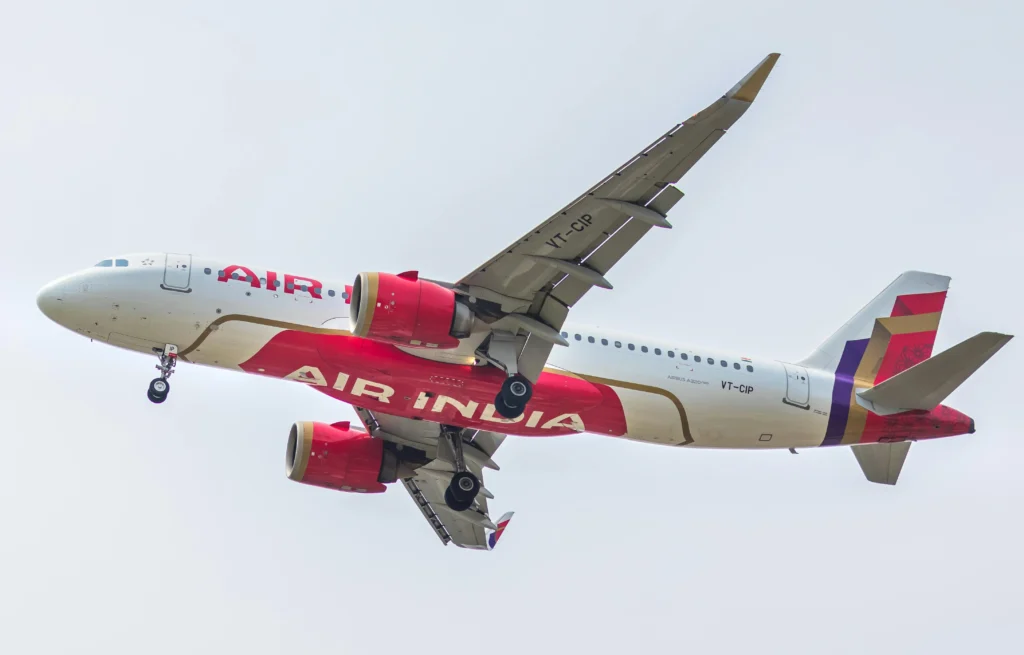
Air India, one of India’s largest carriers, is adopting a cautious approach to its operations amid global turbulence, reassuring its 24,000-plus employees that layoffs are not part of its immediate plans. This decision comes even as the airline faces multiple challenges, including airspace closures, geopolitical tensions, and fluctuating jet fuel prices.
Despite mounting financial pressures, Air India’s Chief Human Resources Officer, Ravindra Kumar G.P., affirmed during a town hall that job security remains intact, even as annual salary increments will be postponed by at least one quarter. This reassurance comes at a time when global tourism is still navigating an uneven recovery.
Leadership and Cost Discipline in Tourism’s Path Forward
During the town hall, CEO Campbell Wilson emphasized the need for cost discipline. As tourism demand fluctuates, Wilson urged employees to cut discretionary spending and delay non-essential investments. Such steps mirror broader trends in the tourism industry, where businesses are balancing growth with financial resilience as external factors—from geopolitics to fuel prices—create uncertainty.
The airline’s recent financial performance shows a decline in revenue in fiscal year 2026, in contrast to the previous year’s strong growth. However, leadership is confident that these challenges are cyclical, and the airline aims to maintain operational efficiency while preparing for the next phase of tourism growth.
Impact of Global Factors on Air India’s Operations
Global disruptions have heavily impacted Air India. The closure of Pakistan’s airspace, along with the ongoing West Asia conflict, has forced the airline to reroute flights, adding costs and longer flight times. Coupled with surging jet fuel prices, these factors have strained the airline’s profitability. Like many tourism players, Air India has also adjusted airfares and added surcharges to offset rising operational costs, but this strategy has limits. Higher airfares can reduce consumer demand, making it vital to balance pricing with customer expectations.
Meanwhile, domestic tourism growth has slowed, with air traffic increasing only slightly in FY26. In contrast to the strong rebound seen in FY25, the slowing domestic market adds further complexity to India’s tourism outlook. This is why Air India has begun rationalizing routes, reducing unprofitable international operations where costs have surged.
Maintaining Employee Morale Amidst Tourism Industry Challenges
By avoiding layoffs, Air India is sending a strong message of stability. The continuation of variable pay and planned promotions suggests that the airline expects demand to rebound in the medium term. Maintaining employee morale
Air India Defers Salary Hikes but Assures No Layoffs as Global Turbulence Hits Aviation
Meta Description: Air India avoids layoffs amid global challenges, defers salary increments, and tightens costs, signaling a strategic focus on resilience and future growth.
Air India Navigates Global Headwinds, Avoids Layoffs Amid Cost Pressures
In a move that reassures its 24,000-plus workforce, Air India has confirmed that layoffs are off the table despite significant global challenges. The Tata Group-backed carrier is navigating geopolitical disruptions, such as airspace closures and rising fuel costs. While the airline will defer annual salary increments by at least one quarter, it remains committed to job security, reflecting its focus on medium-term stability.
Leadership Assures Job Security Amid Cost Controls
During a recent employee town hall, Air India’s Chief Human Resources Officer, Ravindra Kumar G.P., emphasized that layoffs will not happen. Instead, the company will tighten costs by deferring increments and urging spending cuts. CEO Campbell Wilson, echoing this sentiment, stressed the need for financial discipline amid rising operational costs. With jet fuel prices volatile and international routes impacted by geopolitical tensions, the airline is rebalancing growth with profitability.
Air India’s leadership acknowledges the external challenges, including the closure of airspace and West Asia tensions, but by protecting jobs, it aims to maintain employee morale. The deferment of salary increments, while temporary, is a strategic decision to balance short-term financial pressures with long-term stability.
Cost Control and Future Planning
The airline is focusing heavily on cost controls, with executives urging a halt to discretionary spending. Air India’s CFO, Sanjay Sharma, noted that while FY26 saw a softening in revenue, the airline remains committed to strategic cost management. Air India plans to renegotiate contracts, defer non-essential expenses, and rationalize its route network. Some international routes have already been cut, reflecting rising operational costs from longer flight times and fuel surges.
The aviation sector has seen slower domestic traffic growth, which stood at 1.3% for FY26, down from the robust 7% growth in FY25. This moderation, coupled with fluctuating fuel prices, has put pressure on operational margins. The Ministry of Civil Aviation capped domestic jet fuel price increases, but international flights are still grappling with sharp cost spikes.
Medium-Term Outlook and Employee Morale
By choosing not to lay off employees, Air India signals confidence in future demand growth. While external pressures remain, the airline’s stance suggests that management sees current challenges as cyclical. The continuation of variable pay and planned promotions further supports this outlook. Air India anticipates medium-term recovery.
For more travel news like this, keep reading Global Travel Wire