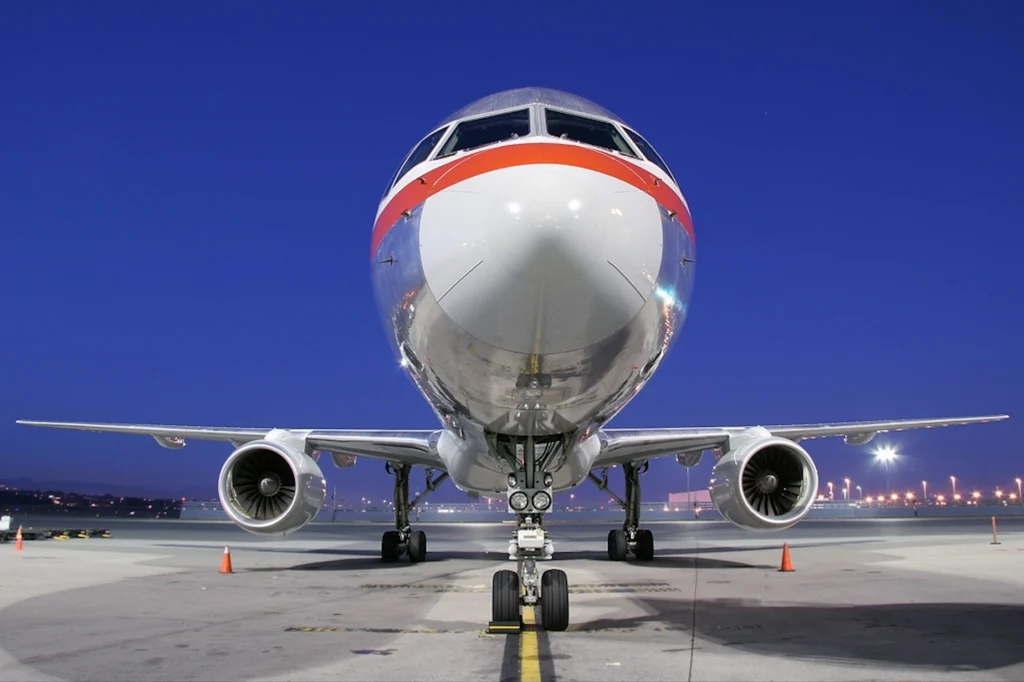
American Airlines Flight AA3259 diverted to Chicago O’Hare International Airport during a scheduled journey from Philadelphia to Seattle on July 16, 2026, disrupting the cross-country travel plans of passengers onboard.
The flight had been scheduled to operate from Philadelphia International Airport to Seattle-Tacoma International Airport. However, the aircraft changed course during the journey and landed at Chicago O’Hare instead of continuing directly to its planned destination.
Available flight information identified the service as an American Airlines operation using an Airbus A321-series aircraft. The aircraft reached Chicago safely following the operational diversion.
American Airlines and United States aviation authorities had not publicly confirmed a specific reason for the diversion at the time of reporting. Therefore, travellers should avoid relying on unverified claims about technical problems, medical situations or other possible causes.
Reason for Diversion Remains Unconfirmed
The most important unanswered question concerns why the flight crew decided to land in Chicago.
Airlines may divert flights for several reasons. These can include changing weather, medical incidents, technical indications, air traffic restrictions, passenger-related situations or operational requirements.
However, none of these possible explanations had been officially connected with Flight AA3259.
Flight-tracking information can confirm changes in an aircraft’s direction, altitude, timing and landing airport. It generally cannot establish the full reason behind a crew’s operational decision.
Only the airline, flight crew or relevant authorities can provide a verified explanation. Until such information becomes available, the event should be described as an operational diversion rather than a confirmed emergency.
No verified information indicated injuries, aircraft damage or a serious onboard incident following the landing at Chicago O’Hare.
Chicago O’Hare Offers Strong Operational Support
Chicago O’Hare is one of the largest aviation hubs in the United States and provides extensive facilities for handling diverted flights.
Its long runways, emergency response capability, aircraft maintenance resources and airline ground teams make it a practical option for flights crossing the central United States.
American Airlines also maintains a significant presence at the airport. This allows the carrier to access passenger service teams, replacement travel options and technical assistance when an unscheduled landing occurs.
When crews decide to divert, they work with air traffic controllers and airline operations teams to select a suitable airport.
The choice depends on several factors, including distance, runway availability, weather, aircraft requirements and the support available after landing.
A major hub such as Chicago O’Hare can help an airline inspect an aircraft, support passengers and determine whether a flight can continue safely.
What the Diversion Means for Passengers
Passengers on Flight AA3259 likely experienced a longer journey and changes to their expected arrival time in Seattle.
Following a diversion, an airline must assess the circumstances before deciding what happens next. The original aircraft may continue after clearance, or passengers may transfer to another service.
The airline may also arrange accommodation, meals or revised bookings depending on the length and cause of the disruption.
However, passenger assistance can vary according to the circumstances, ticket conditions and airline policies.
Travellers affected by a diversion should monitor the airline’s mobile application, text alerts, emails and airport announcements. Gate agents can provide updated departure information and alternative travel arrangements.
Passengers with connecting flights from Seattle should also contact the airline if the disruption causes a missed onward journey.
Safety Takes Priority Over Schedule
Flight diversions can create uncertainty and frustration, particularly on long domestic journeys. However, they remain an established part of commercial aviation safety and operational management.
Pilots are trained to respond to changing conditions and choose an alternative airport whenever continuing to the original destination becomes unsuitable.
A diversion does not automatically mean an aircraft faced a major emergency. In many cases, crews land as a precaution so that a situation can receive attention on the ground.
Air traffic controllers assist by providing routing, descent instructions and priority handling when required.
Ground teams then coordinate passenger support, aircraft inspections and further operational decisions.
The safe arrival of Flight AA3259 at Chicago O’Hare indicates that the aircraft completed the diversion successfully.
Travellers Should Follow Verified Updates
Passengers and aviation observers should rely on statements from American Airlines, airport authorities and federal aviation agencies for further information.
Unconfirmed online posts can quickly create confusion, especially when they attempt to assign a cause before official details emerge.
Travellers scheduled to use the same flight number on future dates should also understand that flight numbers operate repeatedly. One diversion does not necessarily affect later services.
They should check their individual booking rather than assume that future Philadelphia–Seattle flights face similar disruption.
Operational Event Ends With Safe Landing
American Airlines Flight AA3259’s diversion to Chicago interrupted a scheduled transcontinental journey between Philadelphia and Seattle.
Although the unexpected landing drew attention, the available facts remain limited. The flight diverted to Chicago O’Hare, landed safely and had no publicly confirmed cause at the time of reporting.
The incident highlights how airlines, pilots and airports manage unexpected operational situations while prioritising passenger safety.
Further details may clarify why the aircraft diverted. Until then, the event should be reported cautiously, without speculation or unsupported claims.
For more travel news like this, keep reading Global Travel Wire