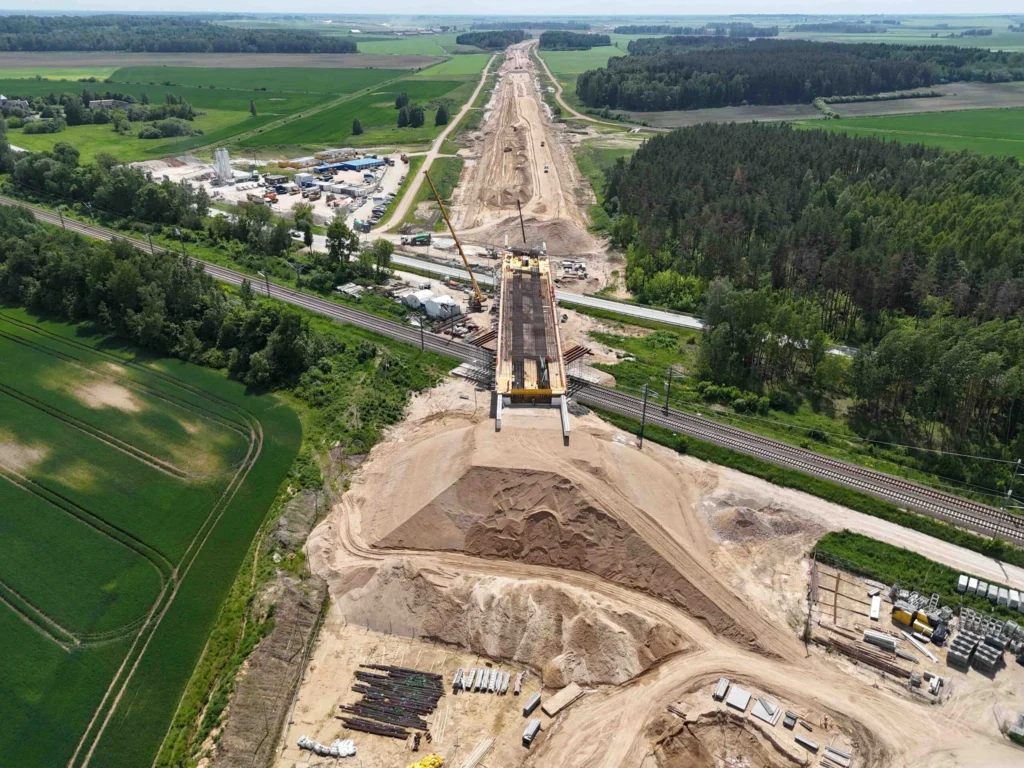
Estonia, Latvia and Lithuania are strengthening cooperation to accelerate Rail Baltica, secure long-term European Union funding and deliver a continuous railway connection between the Baltic states, Poland and continental Europe.
The first implementation phase targets an operational cross-border corridor by 2030. However, financing gaps, construction costs and complex delivery schedules remain major challenges.
Rail Baltica will introduce a European-standard railway through a region where international rail movement has historically depended on a different track gauge. The new infrastructure will use the 1,435-millimetre European gauge and support passenger trains designed for speeds of up to 249 kilometres per hour.
The wider project includes electrification, modern signalling and common European technical standards. Some sections may initially open with a single track before the complete double-track vision receives sufficient funding.
For tourism, the project could eventually create faster journeys between Tallinn, Pärnu, Riga, Panevėžys, Kaunas, Vilnius and Poland.
Baltic States Strengthen European Rail Integration
Rail Baltica forms part of the European Union’s Trans-European Transport Network and the North Sea–Baltic transport corridor.
The planned route will run south from Tallinn through Pärnu, Riga, Panevėžys and Kaunas before reaching the Lithuanian–Polish border. A connecting branch will also incorporate Vilnius.
This alignment will remove a major technical obstacle affecting direct rail travel between the Baltic region and Central Europe.
Once completed and placed into operation, the corridor could support international passengers, regional trains, freight services and military mobility. Electrification could also provide a lower-emission alternative to some road and air journeys.
However, separate national sections must connect successfully. A railway that stops at a border cannot deliver the intended tourism or transport benefits.
Fresh EU Funding Supports Construction
The European Union has continued to support Rail Baltica through the Connecting Europe Facility.
An additional allocation of approximately €295.5 million was announced in 2025. The funding covered construction, technical implementation, power-supply design and cross-border coordination across the three Baltic states.
This followed a larger allocation of around €1.2 billion in 2024, which supported major construction programmes in Estonia, Latvia and Lithuania.
European support may cover a significant share of eligible project costs. Nevertheless, national contributions and future EU budget decisions remain necessary.
Predictable long-term funding will allow construction contracts to continue without major interruptions. It will also help retain skilled workers, secure materials and coordinate procurement across national borders.
Estonia Advances Its Mainline Programme
Estonia has moved major sections of its Rail Baltica programme into active delivery.
Large construction agreements have covered remaining parts of the national main line between Tallinn and the Latvian border. Work has also advanced around Ülemiste, road crossings, viaducts and junctions.
Estonia has directed substantial national and European funding towards railway development. Regional passenger requirements have also received attention, including preparations for trains that could use the new infrastructure.
This domestic integration will be important for tourism. International passengers must be able to continue from major terminals towards regional destinations through reliable local services.
Pärnu could particularly benefit from improved access. The coastal city attracts leisure travellers through its beaches, spa culture and summer tourism economy.
Latvia Prioritises Riga and the Cross-Border Spine
Latvia has focused on the main north–south corridor while continuing work around Riga Central Station and Riga Airport.
The airport station could eventually create an important interchange between aviation and rail services. International passengers arriving by air may gain easier onward access to Riga and other Baltic destinations.
Latvia has also included regional stations in its first-phase planning. These could spread visitor demand beyond the capital and support communities along the corridor.
However, last-mile transport will determine their tourism value. Local buses, walking routes, bicycle access and clear visitor information must connect stations with attractions and accommodation.
Lithuania Builds the Gateway to Poland
Lithuania has treated the Kaunas–Panevėžys section as an early construction priority.
Planning and procurement have also progressed for connections involving Vilnius and the Polish border. These sections are essential because Rail Baltica must connect with Poland before continuous journeys towards Central Europe can operate.
Kaunas could emerge as a major interchange for travellers moving between Lithuania’s cities and the wider European network.
A Vilnius connection would also improve access to Lithuania’s capital, supporting city breaks, cultural tourism and multi-destination Baltic itineraries.
Faster Journeys Could Transform Baltic Holidays
Existing passenger rail links between the Baltic capitals remain relatively slow and require transfers.
Rail Baltica could make rail travel more competitive by reducing journey complexity and connecting major cities through compatible infrastructure.
Travellers may eventually combine Tallinn, Riga and Vilnius within one rail-based holiday. They could also extend European train journeys northwards from Poland into the Baltic region.
Open-jaw itineraries may become easier, allowing visitors to arrive in one capital and depart from another. This could encourage longer stays and distribute hotel demand across several destinations.
However, final service frequencies, ticket prices and commercial timetables have not been confirmed. Tourism growth therefore remains a future opportunity rather than a guaranteed result.
Funding Will Decide the Project’s Future
The full Rail Baltica vision faces a substantial financing challenge.
Baltic auditors estimated the project’s complete cost at €23.8 billion, far above earlier forecasts. They also identified a major funding requirement for the reduced first phase.
Estonia, Latvia and Lithuania must therefore protect funding continuity across future EU budget cycles while controlling costs and maintaining essential functionality.
Signalling, electrification, stations and border sections must work together before passenger services can begin.
Rail Baltica remains one of Europe’s most strategically important transport projects. Yet its tourism potential will only become reality when the continuous corridor has been financed, constructed, tested and placed into dependable operation.
For more travel news like this, keep reading Global Travel Wire