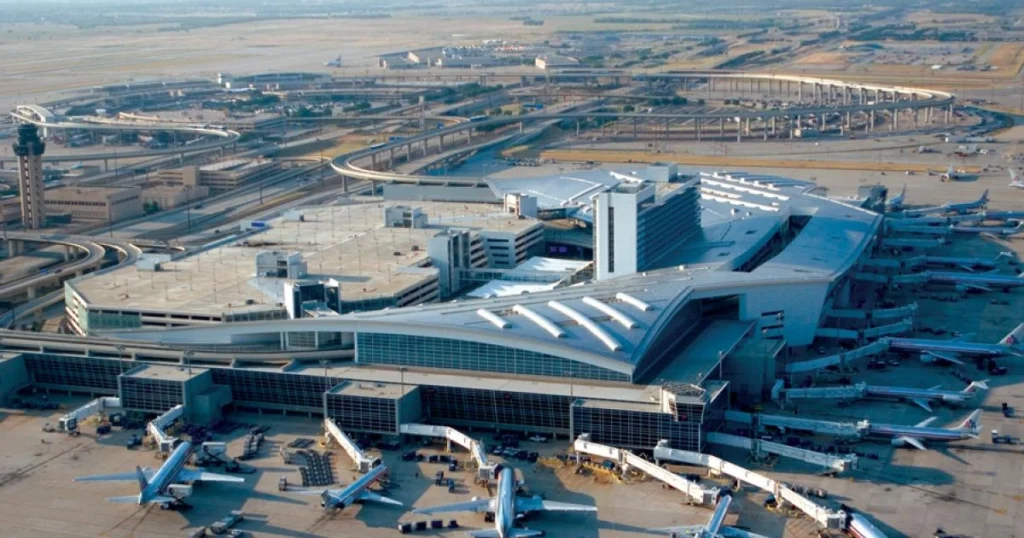
An American Airlines regional flight operated by PSA Airlines returned to Dallas Fort Worth International Airport after departing the major Texas aviation hub, disrupting passengers scheduled to arrive at their destination late at night.
Flight JIA5186, also identified through American Airlines’ regional operation, reportedly reversed course shortly after departure and landed safely back at Dallas Fort Worth. The service had a scheduled arrival time of approximately 11:48 p.m. local time.
The exact operational reason for the return was not publicly confirmed through the official airline or aviation information available at the time of writing. Therefore, claims involving a particular mechanical fault, cockpit warning or aircraft system should not be treated as confirmed unless American Airlines, PSA Airlines or federal aviation authorities issue further details.
Aircraft turnbacks are precautionary operational decisions. Pilots may return because of a technical indication, passenger medical situation, weather concern, cabin issue, airport restriction or another factor requiring assessment on the ground.
Safety remains the flight crew’s priority
A return to the departure airport does not automatically indicate that an aircraft was in immediate danger.
Modern passenger aircraft contain monitoring systems designed to alert pilots when a component or system requires attention. Some alerts may involve minor irregularities, but flight crews must still follow established procedures and determine whether continuing the journey remains appropriate.
Pilots review the aircraft’s condition, weather, fuel, destination facilities and available maintenance support before making a decision. Returning early can provide access to familiar airport infrastructure while avoiding a possible aircraft grounding at a smaller destination.
Air traffic controllers assist by providing routing, altitude instructions and safe positioning within the arrival sequence. Meanwhile, the flight crew completes the appropriate operational checks and prepares the cabin for landing.
Passengers may experience a controlled change in direction without an emergency descent or other dramatic manoeuvre.
Why Dallas Fort Worth was the logical airport
Dallas Fort Worth International Airport is one of the largest commercial aviation hubs in the United States and a central base for American Airlines.
Returning there can offer several operational advantages. The airport has extensive runways, airline ground teams, passenger service facilities and access to aircraft maintenance resources.
When a flight has only recently departed, turning back may also be more efficient than diverting to another airport. The aircraft remains close to the origin, while replacement crews, alternative aircraft and rebooking options may be more readily available.
However, the decision remains based on the conditions affecting that particular flight. It should not be assumed that maintenance availability was the sole reason unless the airline confirms it.
For passengers, returning to a large hub can improve the chances of securing alternative connections compared with landing at a smaller airport with fewer departures.
What happens after a safe return
After landing, the aircraft may taxi to a gate or another designated area where airline teams can inspect it.
Passengers may remain onboard briefly while the airline assesses whether the aircraft can depart again. In other situations, travellers may be asked to leave the plane and wait for a replacement aircraft or revised itinerary.
Customers should monitor the American Airlines mobile application, departure boards, text messages and email notifications. Digital systems may display a new gate or replacement flight before airport agents make a public announcement.
Travellers should also check connecting reservations. A late-night return can affect onward flights, hotel bookings, rental cars and ground transport at the intended destination.
Passengers using separate tickets should contact the other airline or travel provider directly because those bookings may not update automatically.
Meals and hotels depend on the disruption
Passenger assistance in the United States depends largely on the cause and duration of a delay.
American Airlines has published customer-service commitments covering qualifying controllable disruptions. These may include complimentary rebooking, meal assistance and hotel accommodation when an eligible overnight delay results from circumstances within the airline’s control.
However, meals and hotel rooms are not automatically guaranteed after every flight turnback. Weather, air traffic control decisions and other factors outside an airline’s control may lead to different assistance.
Passengers should ask airline representatives whether vouchers or approved accommodation are available before making independent purchases.
Anyone paying for essential meals, transport or lodging should keep detailed receipts. Documentation may support a reimbursement request or travel insurance claim, although repayment is not guaranteed.
Refund options may become available
A return to the origin does not always mean the flight has been cancelled. The airline may repair the aircraft, assign another plane or move passengers to a later departure.
If the airline cancels the service or makes a significant itinerary change, affected passengers may qualify for a refund when they reject the alternative transportation offered.
Travellers should understand the difference between accepting rebooking and cancelling the journey. Once a revised flight is accepted or used, refund options may change.
Passengers should request clear information about the new departure time, destination arrival and baggage arrangements before making a decision.
Preparation makes turnbacks easier to manage
Essential medication, travel documents, chargers, toiletries and valuable items should remain in carry-on baggage. Checked luggage may stay with the aircraft while operational teams determine the next step.
Passengers affected by the American Airlines JIA5186 return should rely on official airline instructions and avoid speculation about the cause.
Although an unexpected U-turn creates delays, it reflects a system designed to let pilots take precautionary action. Returning safely to Dallas Fort Worth allowed the airline to assess the situation while keeping passenger and crew safety ahead of the original schedule.
For more travel news like this, keep reading Global Travel Wire