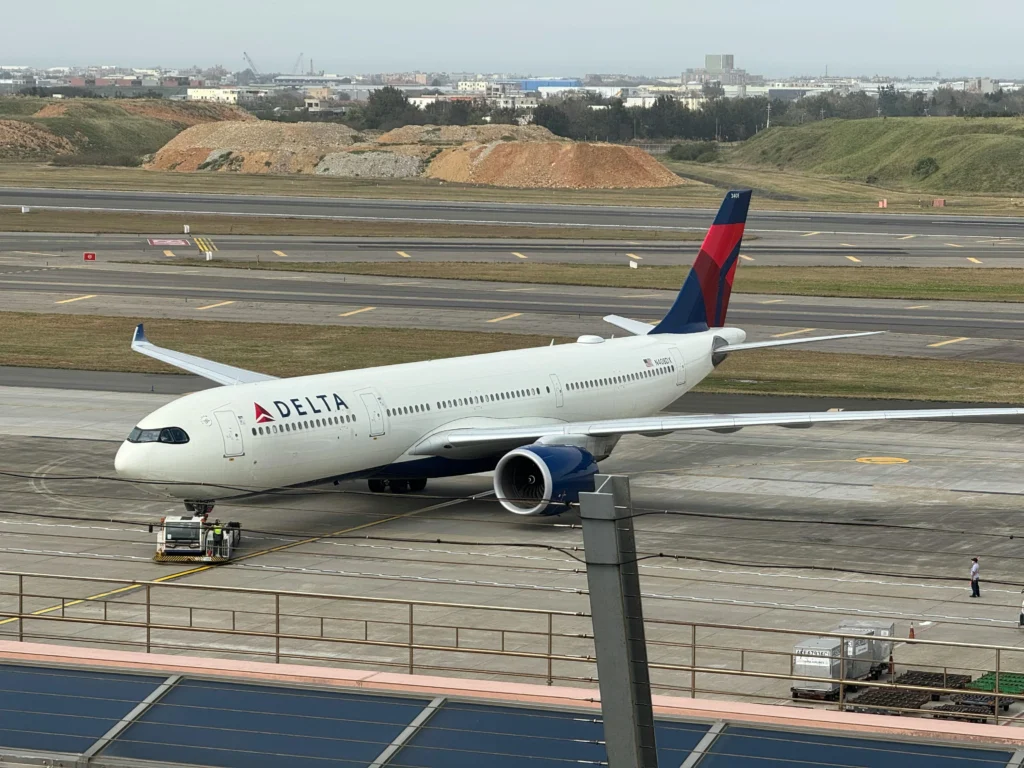
The landscape of North American aviation is seeing a tactical shift as the 2026 summer travel season approaches. Delta Air Lines, a major pillar of the United States transport sector, has officially confirmed a series of modifications to its network. These adjustments come at a time when the global aviation industry is navigating complex operational variables, including fluctuations in energy costs and shifting passenger demand patterns. According to official communications from the Atlanta-based carrier, these changes are part of a routine planning process designed to maintain long-term operational integrity and service reliability.
While the airline maintains an expansive global footprint, the latest updates involve the temporary suspension or seasonal rescheduling of select domestic and short-haul international routes. The decision reflects a broader trend within the Ministry of Transport’s oversight of the aviation sector, where carriers are increasingly prioritizing high-density corridors to manage the rising costs of fuel and logistical operations. Delta’s management stated that the airline evaluates a wide range of factors, including infrastructure readiness and resource allocation, to ensure that the majority of the traveling public remains unaffected by these surgical trimmings.
Key Route Modifications and Seasonal Shifts
The adjustments primarily impact specific regional connections and seasonal vacation routes. For travelers planning journeys between the northeastern United States and the Caribbean, the service between Boston Logan International Airport (BOS) and Lynden Pindling International Airport in Nassau (NAS) will transition to a Saturday-only schedule through mid-July. Following this period, the route will observe a brief hiatus during the peak late-summer months, with a scheduled return in December to accommodate the winter holiday demand.
In the Midwest, Detroit Metropolitan Wayne County Airport (DTW) will see two significant changes. Service to Northwest Florida Beaches International Airport (ECP) is being shifted further into the future, with weekend operations now slated for the 2027 summer season. Additionally, the route connecting Detroit to Sacramento International Airport (SMF) will be paused starting in June, with an anticipated resumption in the spring of 2027. These shifts allow the airline to reallocate aircraft to higher-demand transcontinental and transatlantic hubs where passenger volumes remain at record highs.
New York’s John F. Kennedy International Airport (JFK), a critical gateway for international tourism, is also part of the tactical pause. Direct services from JFK to Houston’s George Bush Intercontinental (IAH), Memphis International (MEM), and St. Louis Lambert International (STL) will be suspended starting in early June. These routes are currently scheduled to return to the departure boards in early September, aligning with the transition into the autumn business travel season. Similarly, the connection between Raleigh-Durham International (RDU) and Las Vegas Harry Reid International (LAS) will experience a summer pause, resuming in the second week of September.
A Broader Industry Trend Toward Resource Optimization
Delta is not alone in its efforts to streamline operations during this period of economic volatility. Official statements and internal memos from across the U.S. aviation sector indicate that major carriers are adopting a more conservative approach to “tactical pruning.” The objective is to eliminate flying that becomes temporarily unprofitable due to the surging costs of jet fuel. Industry-wide data suggests that airlines are focusing these cuts on traditionally lower-volume travel days, such as Tuesdays and Wednesdays, as well as overnight “red-eye” services that yield lower margins during periods of high overhead.
This trend is also reflected in the updated strategies of other domestic giants, which are expected to detail their fuel mitigation plans in upcoming quarterly earnings reports. The collective move toward efficiency comes as the global market grapples with what some analysts describe as a significant jet fuel shortage, a phenomenon not seen on this scale in decades. Consequently, the emphasis for the 2026 summer season has shifted from aggressive expansion to the preservation of core, high-frequency routes that serve the greatest number of passengers.
Implications for Travelers and the Tourism Sector
For the tourism industry, these adjustments underscore the importance of early booking and flexibility. The airline has committed to a proactive communication strategy, stating that it will directly contact any customers impacted by route changes to offer alternate travel options or rebooking assistance. While these “select adjustments” represent only a small fraction of Delta’s total daily flights, they highlight the sensitivity of the travel market to global economic pressures.
Despite these specific pauses, the overall outlook for summer tourism remains positive. Official tourism boards across the United States continue to report strong booking interest, and major airports are preparing for passenger levels that rival pre-2020 benchmarks. By trimming less efficient routes, airlines are aiming to prevent the widespread cancellations and delays that have plagued past peak seasons, theoretically leading to a more stable experience for those on the most popular travel paths.
As the industry moves through the second and third quarters of 2026, the Ministry of Transport and civil aviation authorities continue to monitor the balance between airline profitability and consumer accessibility. Travelers are encouraged to monitor official airline channels for the most current schedule information, as the “normal planning process” of the modern aviation era remains more dynamic than ever. The resilience of the sector depends on this ability to adapt quickly to the shifting winds of global energy prices and regional demand.
For more travel news like this, keep reading Global Travel Wire