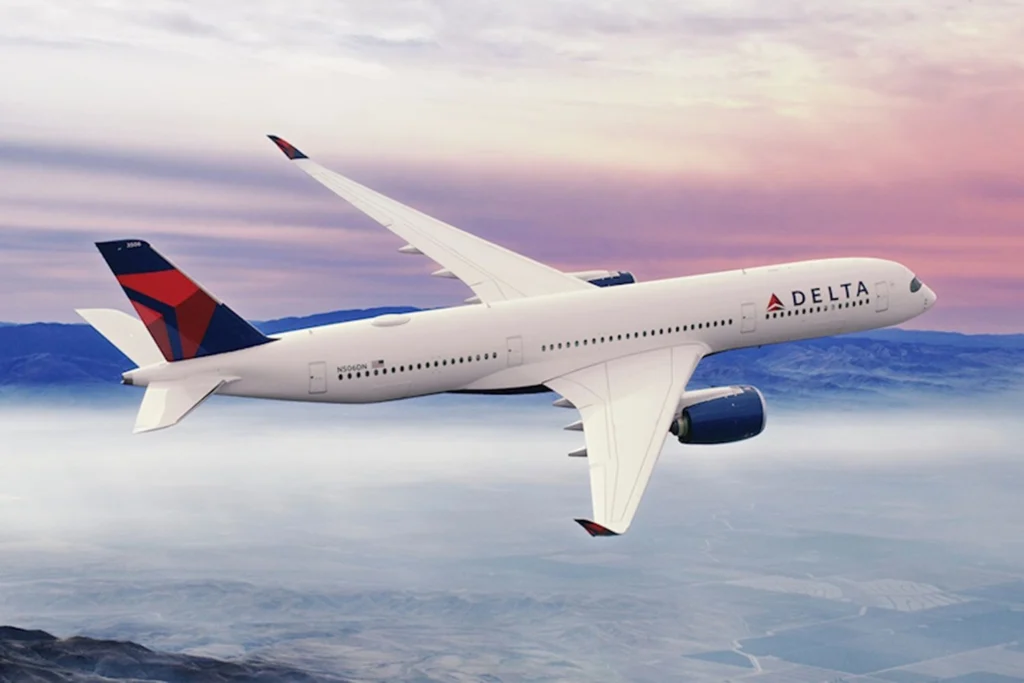
Delta Air Lines flight DL662, operating from Billings to Atlanta, diverted to Nashville International Airport on July 24, 2026, after thunderstorms affected aviation operations around its planned destination.
The domestic service was operated by a Boeing 737-900 registered as N958DZ. It was scheduled to leave Billings Logan International Airport at 9:50 a.m. and arrive at Hartsfield-Jackson Atlanta International Airport at 2:14 p.m. Eastern Time.
However, the flight departed later than scheduled and changed course before reaching Atlanta. The aircraft landed at Nashville, providing the crew and airline with an alternative airport while conditions affected the original route.
The diversion disrupted the journey for passengers travelling directly to Atlanta and those holding onward connections through Delta’s largest hub. Nevertheless, the decision allowed the aircraft to land at a major airport with suitable runways, terminal facilities and Delta ground support.
No publicly confirmed technical problem or aircraft emergency was identified in connection with the diversion.
Thunderstorms Affected Atlanta Aviation Operations
The Federal Aviation Administration warned on July 24 that thunderstorm delays were possible at Atlanta.
Delta also introduced a severe-weather travel exception for customers travelling to, from or through Atlanta on July 24 and July 25. The policy allowed eligible passengers to adjust qualifying journeys as forecast thunderstorms threatened normal operations.
These official warnings establish that Atlanta was experiencing weather-related operational pressure during the period surrounding the diversion. However, Delta had not publicly issued a flight-specific explanation confirming the precise reason DL662 landed in Nashville.
Therefore, the incident should not be described as a technical emergency without further evidence. Weather, air traffic congestion, fuel considerations and airport flow restrictions are among the circumstances that can influence a crew’s diversion decision.
The final choice is made using information from airline dispatchers, pilots and air traffic controllers. Passenger safety and the aircraft’s operational requirements remain the central priorities.
Flight Did Not Divert Back to Nashville
The aircraft diverted to Nashville rather than returning there.
DL662 originated at Billings Logan International Airport in Montana and was flying southeast toward Atlanta. Nashville was selected as an alternative airport during the journey.
This distinction is important because the phrase “diverted back” normally means that an aircraft returned to its departure airport. In this case, the Boeing 737-900 landed at a third airport that was neither its origin nor its intended destination.
Nashville International Airport is a major commercial facility located within practical reach of Atlanta. It regularly handles Boeing 737 aircraft and supports extensive operations by major US airlines.
Its location and infrastructure make it a suitable diversion option when traffic conditions limit access to Atlanta.
Passengers Face Connections and Schedule Changes
A diversion can create several challenges for passengers.
Travellers whose final destination was Atlanta may need to remain onboard while the aircraft refuels or waits for improved conditions. Alternatively, the airline may arrange another flight, ground transportation or rebooking.
Passengers connecting through Atlanta face additional complications because they may miss onward departures. Delta’s network at Hartsfield-Jackson serves destinations across the United States and international markets, meaning disruption to one inbound flight can affect several later journeys.
The airline may rebook affected customers through its mobile application, airport teams or reservations services. Available options depend on operating conditions, seat availability and the passenger’s remaining itinerary.
Travellers should retain boarding passes and receipts for reasonable expenses arising during significant disruption. They should also monitor official airline notifications instead of relying solely on third-party flight-tracking platforms.
Diversions Support Safe Aviation Decisions
A diversion does not automatically indicate that an aircraft is unsafe.
Commercial flight crews may change destination because of thunderstorms, deteriorating visibility, airport congestion, medical situations, runway restrictions or fuel requirements caused by extended holding.
Thunderstorms create particular challenges because they can produce turbulence, lightning, heavy rain and rapidly changing winds. Air traffic controllers may restrict arrival routes or increase separation between aircraft, reducing the number of flights an airport can safely process.
When delays become uncertain, landing at an alternative airport may be safer and more efficient than remaining airborne for an extended period.
The Boeing 737-900 is widely used across Delta’s domestic network. Crews operating the aircraft receive detailed training for diversions, changing weather and alternate-airport procedures.
Atlanta Disruption Highlights Network Vulnerability
The DL662 diversion demonstrates how severe weather at a major hub can affect passengers far beyond the immediate destination.
Atlanta’s extensive connecting network makes it central to Delta’s US operations. When thunderstorms reduce airport capacity, flights arriving from cities such as Billings may encounter holding, rerouting, delays or diversions.
These changes can also affect aircraft positioning and crew schedules, contributing to disruption later in the day.
For travellers, the incident reinforces the importance of monitoring flight status before departure and during connections. Passengers should keep contact details updated in their booking and allow additional time when forecasts show storms near major hubs.
Although DL662 did not complete its planned nonstop journey as scheduled, the diversion to Nashville reflected the flexibility built into US aviation operations. With no confirmed technical emergency reported, the event remained an operational diversion managed during challenging conditions around Atlanta.
For more travel news like this, keep reading Global Travel Wire