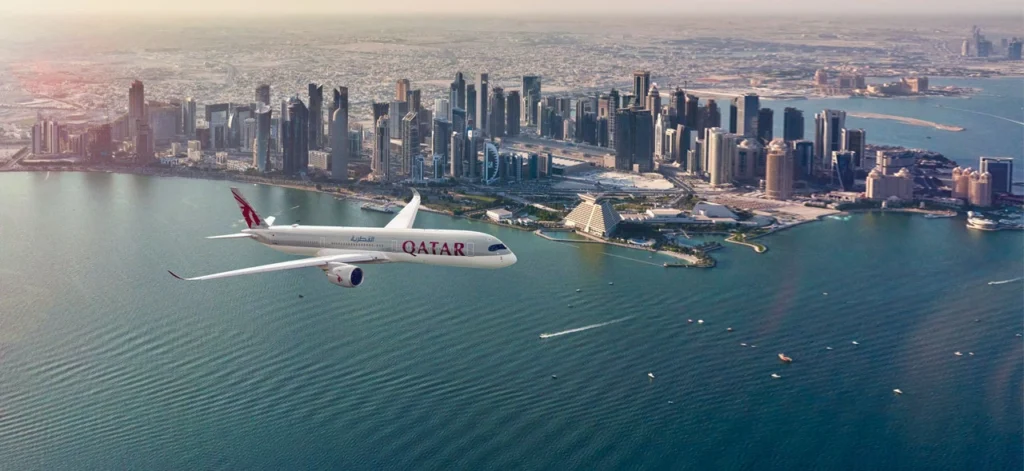
Doha is preparing for a major tourism boost after Qatar Airways unveiled its largest-ever summer network, expanding service to more than 150 destinations from 16 June 2026. The move strengthens Hamad International Airport’s role as one of the world’s leading global hubs and positions Qatar at the center of international travel flows across Europe, Asia, Africa, the Americas and the Middle East.
The expanded schedule runs through 15 September 2026 and introduces new routes alongside higher frequencies on key markets. For travelers, that means broader choice, easier connections and stronger access to leisure and business destinations through Doha.
For Qatar’s visitor economy, the announcement signals fresh momentum at the start of the busy summer season.
Doha Strengthens Its Global Hub Role
Hamad International Airport already serves as one of the most strategically located transfer points in world aviation. Positioned between East and West, Doha offers efficient one-stop connectivity between continents.
With the summer 2026 expansion, that role becomes even stronger.
Travelers from major cities can connect through Doha to destinations that previously required longer journeys or multiple layovers. As a result, Qatar becomes more attractive not only as a stopover destination but also as a gateway to global tourism markets.
For visitors with longer transit times, Doha’s hotels, retail districts, cultural attractions and desert experiences stand to gain additional demand.
Wider Network Opens New Tourism Opportunities
The enlarged network spans established tourism markets and emerging destinations alike.
Across Africa, expanded links to cities such as Accra, Abidjan, Nairobi, Johannesburg, Cairo, Tunis, Kinshasa and Luanda improve access for both inbound and outbound travel.
In the Americas, stronger connectivity to New York, Chicago, Dallas, Miami, Montreal, Washington, Seattle, San Francisco and São Paulo supports business travel, family visits and premium leisure demand.
Asia and the Pacific also benefit through routes to Brisbane, Melbourne, Perth and Sydney, while key Asian markets continue to see deeper connectivity.
The broader reach gives travelers more itinerary options while helping destinations tap into Qatar Airways’ global network.
New Demand for Doha Stopovers
As route numbers grow, Doha itself is likely to see rising stopover tourism.
Many long-haul passengers now choose short stays in transit hubs rather than immediate onward connections. That trend can benefit Qatar’s hotels, museums, beaches, dining scene and event calendar.
Visitors may use one or two nights in Doha to explore landmarks such as Souq Waqif, the Museum of Islamic Art, Katara Cultural Village and desert excursions beyond the city.
This style of travel supports higher visitor spending and helps diversify tourism beyond traditional point-to-point demand.
Flexible Booking Builds Traveler Confidence
Qatar Airways also introduced flexible booking measures for the expansion period, designed to encourage early reservations.
Passengers booking within the stated travel window can access date-change options, while affected itineraries may qualify for additional flexibility or refunds subject to fare rules and availability.
That reassurance matters in a market where travelers increasingly value adaptable plans. Flexible booking policies often help convert interest into confirmed reservations, especially for families and long-haul leisure passengers planning months in advance.
For the summer season, confidence can be just as important as capacity.
Tourism Benefits Beyond Qatar
The network expansion does not only support Doha tourism. It can also stimulate visitor growth in connected destinations worldwide.
Improved access to Saudi Arabia’s tourism markets, including AlUla and Ha’il, may help regional multi-country itineraries grow. Travelers can combine Gulf city breaks with heritage tourism, beach holidays or desert experiences.
In Africa, better connectivity can unlock visitor flows to destinations that historically faced limited long-haul access.
North America and Asia-Pacific markets may also benefit from smoother one-stop journeys that make distant travel more practical.
Airlines, Hotels and Travel Trade Gain
More flights create ripple effects across the wider travel economy.
Hotels in Doha may see stronger occupancy from transit stays and short breaks. Tour operators can market new combinations of destinations through one hub. Airports and tourism boards across the network gain exposure to Qatar Airways’ global customer base.
For airlines, expanded connectivity can also support premium demand, cargo revenue and stronger aircraft utilization during the peak season.
The wider ecosystem often grows when hub capacity rises.
Why Hamad International Airport Matters
Infrastructure remains central to the strategy.
Hamad International Airport’s modern terminals, transfer efficiency and passenger facilities help support high volumes during busy travel periods. Seamless transfers are essential when an airline relies on connecting traffic across dozens of markets.
As frequencies rise, airport efficiency becomes a competitive advantage. Fast connections, premium lounges, retail offerings and clear passenger flow can shape traveler loyalty.
That gives Doha an edge in the increasingly competitive hub market.
Outlook for Summer 2026
The summer 2026 schedule marks a major step in Qatar Airways’ long-term growth strategy and reinforces Doha’s rising importance in global tourism.
If demand remains strong, Qatar could see higher visitor arrivals, stronger hotel performance and greater international visibility throughout the season.
With 150 destinations connected through one fast-growing hub, Doha tourism now enters the summer with powerful momentum and a wider global audience than ever before.
For more travel news like this, keep reading Global Travel Wire