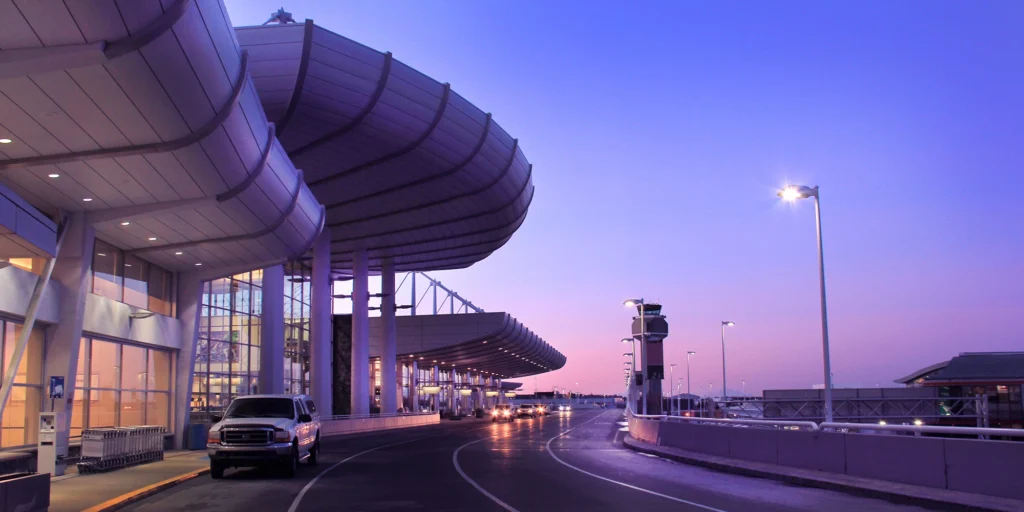
Ted Stevens Anchorage International Airport has completed its long-awaited master plan update, setting the stage for major infrastructure growth, expanded cargo capacity and an upgraded passenger experience in the years ahead. The new framework outlines how Alaska’s busiest airport will manage rising demand, modernize facilities and strengthen its role as one of the world’s most important aviation gateways.
The final plan documents are now available for public review, giving travelers, businesses and local communities a clear picture of how the airport intends to grow over the coming decades.
For Alaska’s tourism sector, cargo economy and international connectivity, the update marks a significant milestone.
A Strategic Airport With Global Importance
Ted Stevens Anchorage International Airport holds a unique position in global aviation. Located between North America and Asia, it serves as a major transfer point for cargo operators and an important passenger gateway for Alaska.
Its location allows airlines to move freight efficiently across continents, while domestic and international travelers rely on the airport for access to Anchorage, Alaska’s vast wilderness regions and onward connections.
As demand for aviation services continues to rise, long-term planning has become essential. The new master plan responds to that challenge with a roadmap focused on capacity, resilience and modernization.
Passenger Growth Drives Infrastructure Plans
One of the central goals of the Ted Stevens Anchorage International Airport master plan update is preparing for future passenger growth.
The airport plans to improve terminal layouts, increase gate capacity and streamline passenger flow through check-in, security and boarding areas. These changes aim to reduce congestion during busy travel periods and create smoother journeys for both residents and visitors.
Additional gates will help airlines schedule more flights efficiently, while modern terminal planning can support faster turnaround times and improved on-time performance.
For travelers, the result could mean shorter waits, more convenient movement through the terminal and better access to services.
Better Travel Experience for Visitors
Passenger comfort also plays a major role in the updated strategy.
The airport intends to create more welcoming public spaces, upgraded waiting areas and easier access to amenities. Improvements to circulation inside terminals can also make transfers simpler, especially for travelers connecting between domestic and international services.
As Alaska continues to attract interest for adventure tourism, cruises, wildlife travel and northern lights experiences, first impressions at the airport matter more than ever.
A modern and efficient arrival experience can strengthen the state’s appeal for global visitors.
Cargo Expansion Remains a Core Priority
While passenger upgrades are important, cargo growth remains one of the airport’s defining priorities.
Anchorage ranks among the world’s busiest cargo hubs because of its strategic geography and technical stop advantages. Major freight carriers rely on the airport to move goods quickly between markets in Asia and North America.
The master plan outlines expanded cargo apron areas, stronger logistics facilities and improved access for trucks and freight operations. These changes can increase handling efficiency, shorten processing times and support higher shipment volumes.
For Alaska’s economy, that matters well beyond aviation. Strong cargo capacity supports retail supply chains, exports, e-commerce and business competitiveness.
Land Use Planning Shapes Future Development
The updated framework also addresses how land around the airport can support long-term growth.
Future planning zones may include commercial development, transportation links and supporting infrastructure connected to airport activity. Smart land use decisions can help create jobs, attract investment and improve regional mobility.
Airports increasingly function as economic ecosystems rather than transport facilities alone. By planning surrounding land carefully, Anchorage can capture wider economic benefits from future expansion.
Sustainability Takes a Larger Role
Environmental planning also features strongly in the update.
The airport has signaled a commitment to sustainable building practices, energy efficiency and responsible resource management as new projects move forward. These priorities align with broader expectations across global aviation, where airports now face growing pressure to balance expansion with climate goals.
Measures such as efficient design, lower-emission systems and better waste management can reduce long-term operating costs while improving environmental performance.
For travelers, sustainability efforts can also enhance the airport brand and align with changing consumer expectations.
Community Input Helped Shape the Plan
The development process included engagement with local communities, airport users and regional stakeholders.
Public meetings and consultation efforts allowed residents, businesses and industry partners to share priorities and concerns before the plan reached completion.
That collaborative approach is important in Alaska, where the airport serves not only visitors but also communities that depend on air connectivity for mobility, commerce and access.
Continued stakeholder engagement is expected as projects move from planning into delivery.
What This Means for Airlines and Tourism
For airlines, a clearer long-term development strategy provides confidence for route planning, investment and future growth.
For tourism businesses, stronger airport infrastructure can support rising visitor numbers, smoother arrivals and more reliable schedules. Hotels, tour operators, cruise partners and local attractions all benefit when the gateway experience improves.
Expanded capacity may also open opportunities for additional routes and stronger seasonal demand.
Outlook for Anchorage
The completion of the Ted Stevens Anchorage International Airport master plan update signals more than a planning milestone. It shows that Anchorage is preparing to compete, grow and evolve in a changing global aviation market.
With better passenger facilities, stronger cargo infrastructure and a focus on sustainability, the airport now has a blueprint to support Alaska’s next era of travel and trade growth.
For more travel news like this, keep reading Global Travel Wire