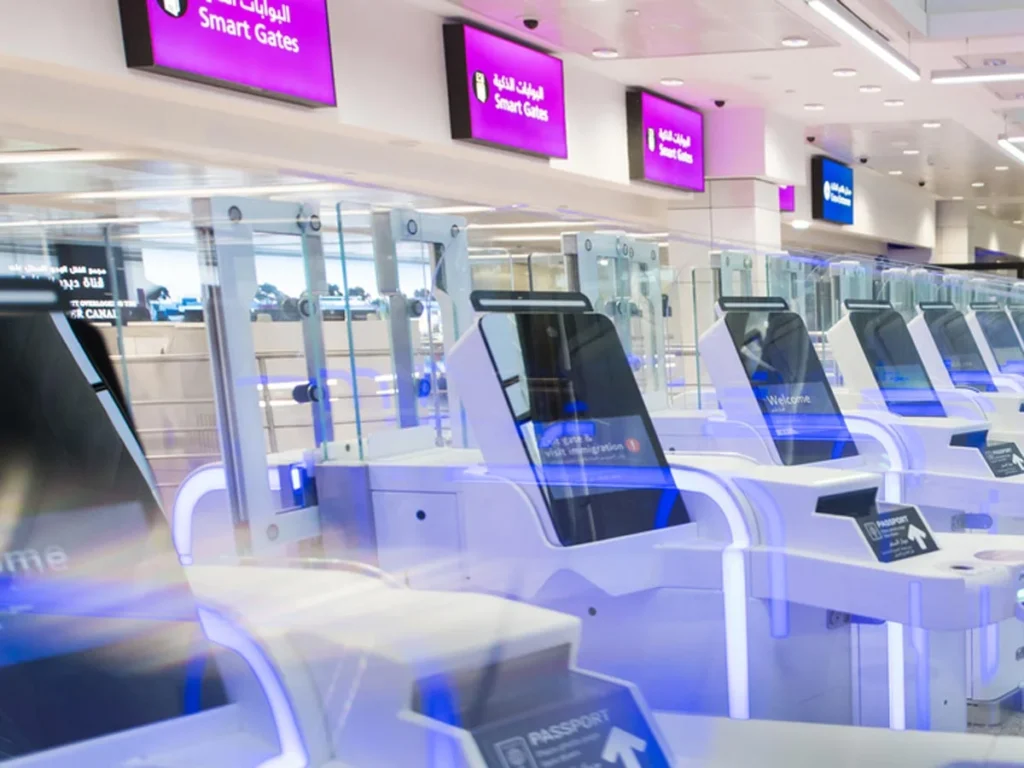
Dubai is preparing for a significant month of policy updates as new measures affecting banking, education, travel, and residency come into effect from April 2026. The changes, confirmed through official government and regulatory announcements, are part of the emirate’s broader efforts to enhance security, improve public services, and support smooth travel operations.
For residents, visitors, students, and international travelers, these reforms could shape how they bank, study, enter the country, and travel through one of the world’s busiest global hubs.
As Dubai continues to strengthen its position as a leading tourism and business destination, the April updates are expected to bring both convenience and stricter compliance standards.
UAE Banks Complete Shift Away From OTPs
One of the most important changes concerns digital banking across the United Arab Emirates. Banks are completing the phase-out of one-time passwords sent through SMS and email for selected high-value transactions.
The move follows guidance from the Central Bank of the UAE and is aimed at strengthening customer protection against fraud, phishing, and unauthorized access. Instead of receiving OTP codes by text or email, customers will now be asked to approve qualifying transactions directly through their bank’s official mobile application.
This transition affects common digital activities such as online shopping payments, QR-based purchases, and other secure transactions.
For travelers visiting Dubai, the change highlights the growing importance of mobile banking readiness. Tourists and business visitors using UAE-based accounts or local financial services may need updated apps, secure devices, and active internet access to complete payments more smoothly.
Why This Matters for Tourism
Dubai is one of the most digitally advanced travel destinations in the world, with visitors increasingly relying on mobile payments, cashless shopping, transport apps, and online reservations. Stronger banking security can help improve traveler confidence while reducing fraud risks in a high-volume tourism market.
Hotels, restaurants, retail centers, and attractions across Dubai have rapidly adopted contactless payment systems. As authentication becomes app-based, visitors are encouraged to ensure devices are charged, updated, and connected while traveling.
The shift also aligns with Dubai’s wider smart city strategy, where convenience and digital trust play a major role in the visitor experience.
Schools and Universities Return to In-Person Learning
Another major April update affects the education sector. Students in Dubai’s public and private schools, along with universities, had been using remote learning arrangements for a temporary period beginning in late March.
The Knowledge and Human Development Authority confirmed that distance learning would continue until April 3, after which in-person classes are expected to resume.
For families living in Dubai or relocating to the city, the return to classroom learning is a positive sign of normal operations. It also matters to educational tourism, a growing segment that includes international students, exchange programs, academic conferences, and family relocation linked to schooling opportunities.
Dubai has become an increasingly attractive destination for expatriate families due to its expanding network of international schools and higher education institutions. The return to on-campus learning supports stability for parents planning moves or long stays in the emirate.
Airlines Prepare to Resume Dubai Services
Dubai’s tourism sector may also receive a boost as international airlines plan to restore flights to Dubai International Airport in April after temporary regional disruptions.
Dubai International Airport remains one of the busiest airports in the world for international passenger traffic and a key gateway for leisure, business, and transit travelers. The return of suspended services can improve seat capacity, route options, and travel confidence during a busy seasonal period.
Authorities have indicated that some international carriers are preparing to restart services, subject to operational and regional conditions. Passengers are still advised to check directly with airlines for the latest schedule information before departure.
For tourism businesses, more flight availability often leads to stronger hotel occupancy, higher visitor arrivals, and greater spending across attractions, shopping districts, and events.
What Travelers Should Expect
As flights resume and schedules normalize, travelers heading to Dubai in April may benefit from:
- More airline options on key routes
- Improved connectivity through Dubai International Airport
- Better availability during holiday periods
- Increased flexibility for stopovers and onward travel
- Stronger confidence in travel planning
However, flight schedules can change quickly depending on operational conditions. Travelers should continue monitoring official airline communications and airport updates.
Temporary Residency Entry Measure Ends
Another important change affects UAE residents returning from abroad. A temporary measure that allowed residents with expired permits to re-enter the country without obtaining a new entry permit will end on March 31, 2026.
From April 1, standard residency requirements return. This means travelers must carry valid residency documentation and meet the normal entry conditions before boarding or arriving in the UAE.
For expatriates, long-stay residents, and frequent travelers, the update is especially important. Those returning after holidays, business trips, or family visits should verify their visa and residency status well before travel dates.
The move reflects a return to regular immigration procedures and reinforces the importance of compliance with official travel documentation rules.
Advice for Residents and Visitors
To avoid delays or travel disruptions in April, residents and tourists should consider a few simple steps:
- Check passport and visa validity early
- Confirm residency permit status before departure
- Download and update banking apps
- Monitor airline schedules regularly
- Review school calendars if traveling with children
- Keep digital and printed travel documents accessible
Preparation can make transitions smoother during periods of regulatory change.
Dubai’s Growth Strategy Continues
The April reforms show how Dubai continues adapting policies to meet the needs of a fast-moving global city. Whether through stronger financial security, restored classroom learning, expanding flight operations, or updated immigration systems, the emirate is focused on efficiency and long-term competitiveness.
Dubai remains a leading destination for tourism, trade, education, and investment because of its ability to evolve quickly while maintaining strong infrastructure and global connectivity.
For international travelers, these latest updates signal a city preparing for continued growth and welcoming visitors with smarter systems and improving access.
Outlook for Tourism in 2026
With airline services returning, education normalizing, and digital systems advancing, Dubai enters April with positive momentum. The city’s tourism appeal remains strong thanks to year-round sunshine, world-class hospitality, luxury shopping, major events, family attractions, and seamless global access.
Travelers planning trips in the months ahead should stay informed through official channels, but the overall outlook remains encouraging. Dubai’s new April changes are designed not to slow travel, but to make the destination safer, more efficient, and better prepared for the future.