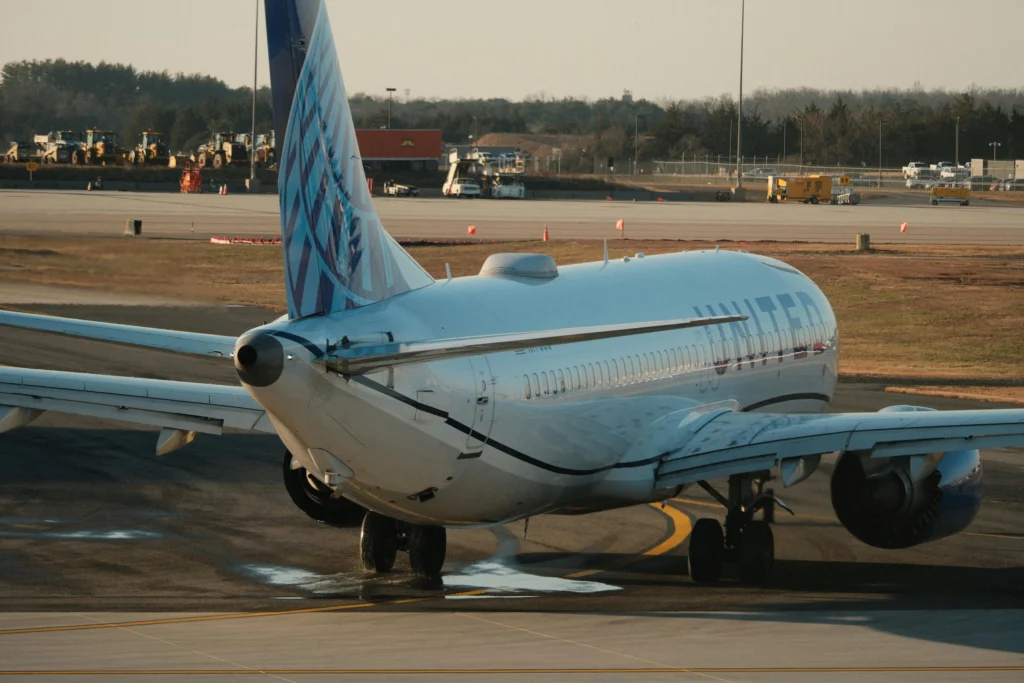
A swift wave of operational scheduling friction at Baltimore/Washington International Thurgood Marshall Airport has impacted regional travel corridors along the United States East Coast. A volatile mix of fast-moving regional thunderstorms and subsequent federal air traffic control ground holds caused a noticeable ripple effect through the domestic aviation market. The scheduling disruption resulted in three total flight cancellations alongside 47 compounding departure delays. The network gridlock heavily challenged the daily schedules of multiple commercial carriers, with major impacts concentrated on prominent domestic operators including Southwest Airlines, American Airlines, United Airlines, and several regional subsidiaries.
Official data compiled from civil aviation traffic reports indicates that the unexpected weather patterns formed a severe bottleneck on active runways and taxiways. Because arriving aircraft were forced into holding patterns or delayed at their origin cities due to localized atmospheric instability, outbound operations experienced a cascade of delayed departures. Airport ground operations and ramp crews managed the flow under strict federal safety mandates, temporarily pausing certain airfield activities until the worst of the regional storm activity safely cleared the approach corridors.
Midwest Corridors and High-Frequency Corporate Routes Affected
The operational disruptions at the Baltimore-Washington gateway created immediate downstream challenges across key Midwestern transportation arteries. Chicago O’Hare International Airport emerged as a highly impacted destination within the domestic network, experiencing one cancellation and three significant delays. This localized friction effectively compromised more than a third of the high-frequency transit pipeline connecting the nation’s capital region with the primary Illinois aviation hub.
Other major transcontinental connection points recorded minor to moderate operational drag as a direct result of the East Coast delays. Hartsfield-Jackson Atlanta International Airport logged two specific flight delays, while Texas travel routes faced disruption with single flight delays reported at both Dallas-Fort Worth International Airport and Dallas Love Field. Additionally, scheduled flight frequencies pushing into Denver International Airport and Detroit Metro Wayne County Airport experienced minor tactical setbacks, demonstrating how localized weather anomalies can quickly impact interconnected commercial flight networks across multiple time zones.
Mid-Atlantic Gridlock and Vacation Corridor Disruptions
Flight paths heading toward the northeastern United States and localized mid-Atlantic regional networks encountered structured delays throughout the afternoon. Boston Logan International Airport recorded a single flight delay, while smaller regional points including Cleveland-Hopkins International Airport, Portland International Jetport, and Norfolk International Airport each registered isolated scheduling friction. Notably, smaller regional operations faced high percentage impacts on their limited daily frequencies due to the localized nature of the ground stops.
The scheduling complications also pushed southward, interrupting high-demand leisure tourism and vacation corridors. Across the state of Florida, Orlando International Airport experienced two flight delays, while key metropolitan hubs including Miami International Airport, Fort Lauderdale-Hollywood International Airport, Palm Beach International Airport, and Jacksonville International Airport all reported single-flight arrival delays. Major southern transit centers such as Charlotte/Douglas International Airport recorded two delayed operations, alongside singular delays impacting scheduled service into Houston’s George Bush Intercontinental Airport and William P. Hobby Airport.
The disruptions extended slightly beyond domestic borders, affecting leisure tourists traveling on international routes. Highly popular tropical vacation destinations felt the minor ripple effect, with single-flight schedule modifications reported for routes heading into Sangster International Airport in Montego Bay, Jamaica, and Cancun International Airport in Mexico, causing brief adjustments to holiday arrival windows.
Statistical Overview of Carrier Operational Impact
To provide precise clarity regarding the operational impact across the airfield, official airport data documents the varying levels of schedule adjustments managed by individual airline brands. Southwest Airlines, which maintains a primary operational presence at the Baltimore-Washington facility, managed the highest absolute volume of adjustments, navigating 30 individual flight delays and one cancellation. Legacy carriers United Airlines and American Airlines each recorded four distinct departure delays across their main mainline operations.
Among regional operators and ultra-low-cost carriers, Frontier Airlines recorded three delays, while specialized regional carriers like Republic Airways and Piedmont Airlines managed smaller numbers of modified departures. Regional feeder carrier Envoy Air experienced a complete temporary pause of its specific daily schedule at the facility, recording two cancellations. Avelo Airlines and Sun Country Airlines concluded the operational period navigating two delays and one delay respectively, as ground handling units worked diligently to clear the terminal gate backlog.
Government Protocols and Passenger Protection Metrics
Civil aviation safety agencies emphasize that weather-driven traffic halts are crucial systemic protective measures designed to safeguard passengers and flight crews from low-altitude wind shear and severe lightning hazards. While these temporary holds prevent active taxiing, federal transportation parameters require commercial airlines to provide dynamic scheduling backups and clear digital communication channel updates directly to affected consumers.
Under established Department of Transportation guidelines, travelers impacted by official flight cancellations are legally protected. If an airline cancels a scheduled departure for any reason and the passenger chooses not to accept alternative travel arrangements or rebooking options, the carrier is mandated to provide a complete cash refund rather than basic travel vouchers. Federal aviation authorities continue to encourage all travelers navigating volatile seasonal weather corridors to utilize automated airline mobile applications to monitor inbound aircraft positioning in real time, enabling seamless digital adjustments before entering terminal screening areas.
For more travel news like this, keep reading Global Travel Wire