Air travellers across Europe are facing widespread disruption as 3,404 delays and 104 cancellations affect operations across 16 major airports in Germany, France, Italy, Switzerland, Spain, the United Kingdom and the Netherlands.
The disruption is affecting some of Europe’s busiest tourism and aviation gateways, including Barcelona-El Prat, Paris Charles de Gaulle, Amsterdam Schiphol, London Gatwick, Heathrow, Rome Fiumicino, Madrid-Barajas and Frankfurt.
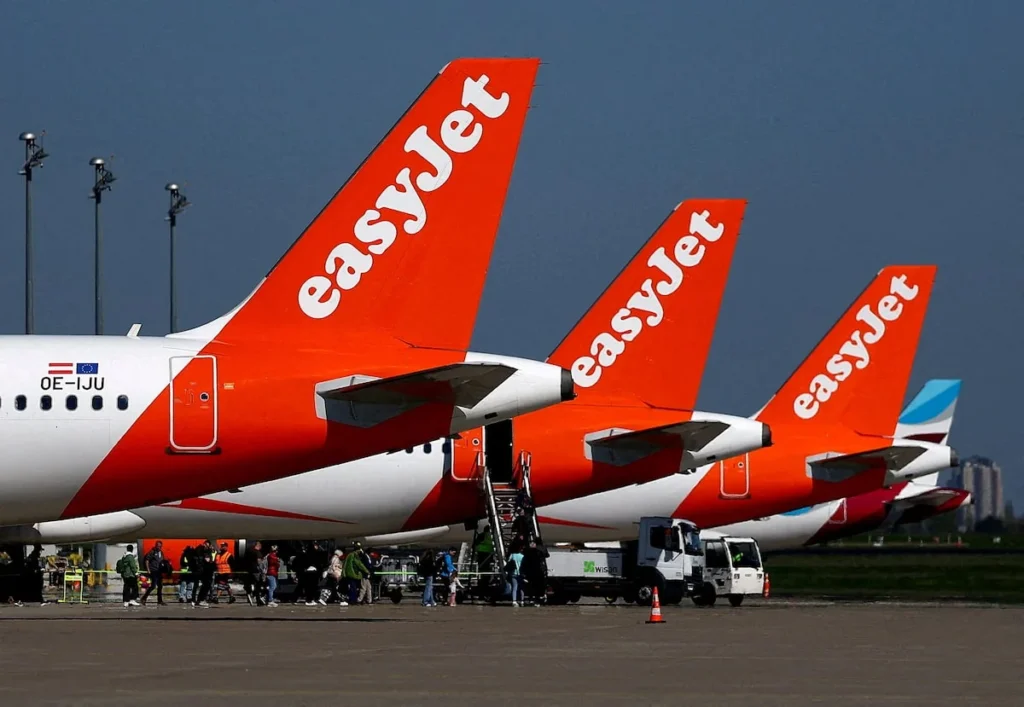
easyJet has recorded the highest number of delays among the airlines covered, with 527 services affected. It also leads cancellations with 30.
Vueling Airlines follows with 262 delays and 25 cancellations, while KLM has recorded 129 delays and 16 cancellations.
For tourists travelling across Europe, the figures underline the importance of checking individual flight status before leaving for the airport.
Barcelona records highest number of delays
Barcelona-El Prat has emerged as the most heavily delayed airport among those covered, recording 359 delayed flights and 17 cancellations.
Vueling accounts for a significant proportion of the disruption at Barcelona, with 149 delays and 15 cancellations. Ryanair has also recorded 41 delays.
The disruption could have a substantial tourism impact because Barcelona remains one of Europe’s busiest leisure gateways, particularly during the summer season.
Paris Charles de Gaulle follows with 328 delays and nine cancellations. Air France accounts for 131 delays and five cancellations, while easyJet has recorded 45 delays and two cancellations.
Rome Fiumicino has registered 311 delays and two cancellations, with ITA Airways accounting for 107 delays.
Gatwick and Schiphol face significant disruption
London Gatwick has recorded 305 delayed flights and two cancellations.
easyJet, the airport’s largest airline by operations, accounts for 163 delays. BA Euroflyer has recorded 53 delays, while Vueling has 22.
Amsterdam Schiphol has recorded 299 delays and 19 cancellations, giving it the highest cancellation total among the airports included.
KLM accounts for 124 delays and 12 cancellations at its Amsterdam hub. easyJet has recorded another 30 delays and six cancellations.
Heavy disruption at Schiphol can create wider network effects because the airport is a major connecting hub for passengers travelling between Europe and long-haul markets.
Madrid, Frankfurt and Heathrow also affected
Madrid-Barajas has recorded 295 delays and two cancellations, with Iberia registering 58 delays and Air Nostrum 47.
Paris Orly has experienced 251 delays and three cancellations. Transavia France accounts for 112 delays, making it one of the airlines most affected at the airport.
Frankfurt Airport has recorded 221 delays and five cancellations. Lufthansa accounts for 81 delays and two cancellations, while Condor has 33 delays and Discover Airlines has 24.
At London Heathrow, 176 delays and eight cancellations have been recorded. British Airways accounts for 100 delays and six cancellations.
Nice Côte d’Azur Airport has reported another 165 delays and seven cancellations, with easyJet responsible for 54 delays and five cancellations.
easyJet leads airline disruption figures
Across the airports covered, easyJet has experienced the largest overall disruption, with 527 delays and 30 cancellations.
Its largest concentration is at Gatwick, although disruption is also affecting operations at airports including Paris, Amsterdam and Nice.
Vueling follows with 262 delays and 25 cancellations, driven heavily by conditions at Barcelona.
Air France has recorded 175 delays and six cancellations, while ITA Airways has 136 delays.
KLM has registered 129 delays and 16 cancellations, with most of the disruption concentrated at Schiphol.
Ryanair has recorded 128 delays, while Transavia France has 123.
British Airways has experienced 118 delays and six cancellations, concentrated mainly at Heathrow.
Tourism journeys face knock-on effects
The disruption is particularly significant during the summer tourism period because delays at large European hubs can affect hotels, airport transfers, cruises, tours and onward rail connections.
Travellers making connecting journeys face additional risk when an initial delay reduces transfer time at another airport.
Busy aviation hubs also operate interconnected networks. A delayed aircraft arriving from Barcelona, Amsterdam or Paris can subsequently affect another flight scheduled later in the day.
Operational factors can include weather, air traffic management restrictions, airport capacity, aircraft availability, maintenance requirements and crew scheduling.
However, passengers should avoid assuming that one single factor is responsible for every delayed or cancelled service.
Passengers should check flights before departure
Travellers affected by the disruption should confirm their individual flight directly with their airline before travelling to the airport.
Passengers should also monitor departure information regularly, particularly because gates, departure times and operational status can change.
Those whose flights are cancelled should contact their airline about rebooking or alternative travel arrangements.
Keeping boarding passes, booking confirmations and receipts for relevant expenses may also be important when passengers later need to establish eligibility for assistance or compensation.
Travellers with onward flights, cruises or scheduled tours should allow additional contingency time where possible.
European aviation faces busy travel test
With 3,404 delays and 104 cancellations recorded across the 16 airports covered, the disruption is affecting several of Europe’s largest tourism markets simultaneously.
Spain, France, Italy, Germany, Switzerland, the Netherlands and the United Kingdom all remain important gateways for international summer travel.
The scale of delays at Barcelona, Charles de Gaulle, Fiumicino, Gatwick and Schiphol means travellers should remain prepared for schedule changes throughout their journeys.
European aviation continues operating across the affected markets, but passengers travelling through major hubs should check their latest flight status, leave additional time for airport procedures and remain prepared to adjust onward plans if disruption continues.
For more travel news like this, keep reading Global Travel Wire